★
Loading archive…
Loading archive…

First Sergeant, U.S. Army
Support & adopt this hero ↓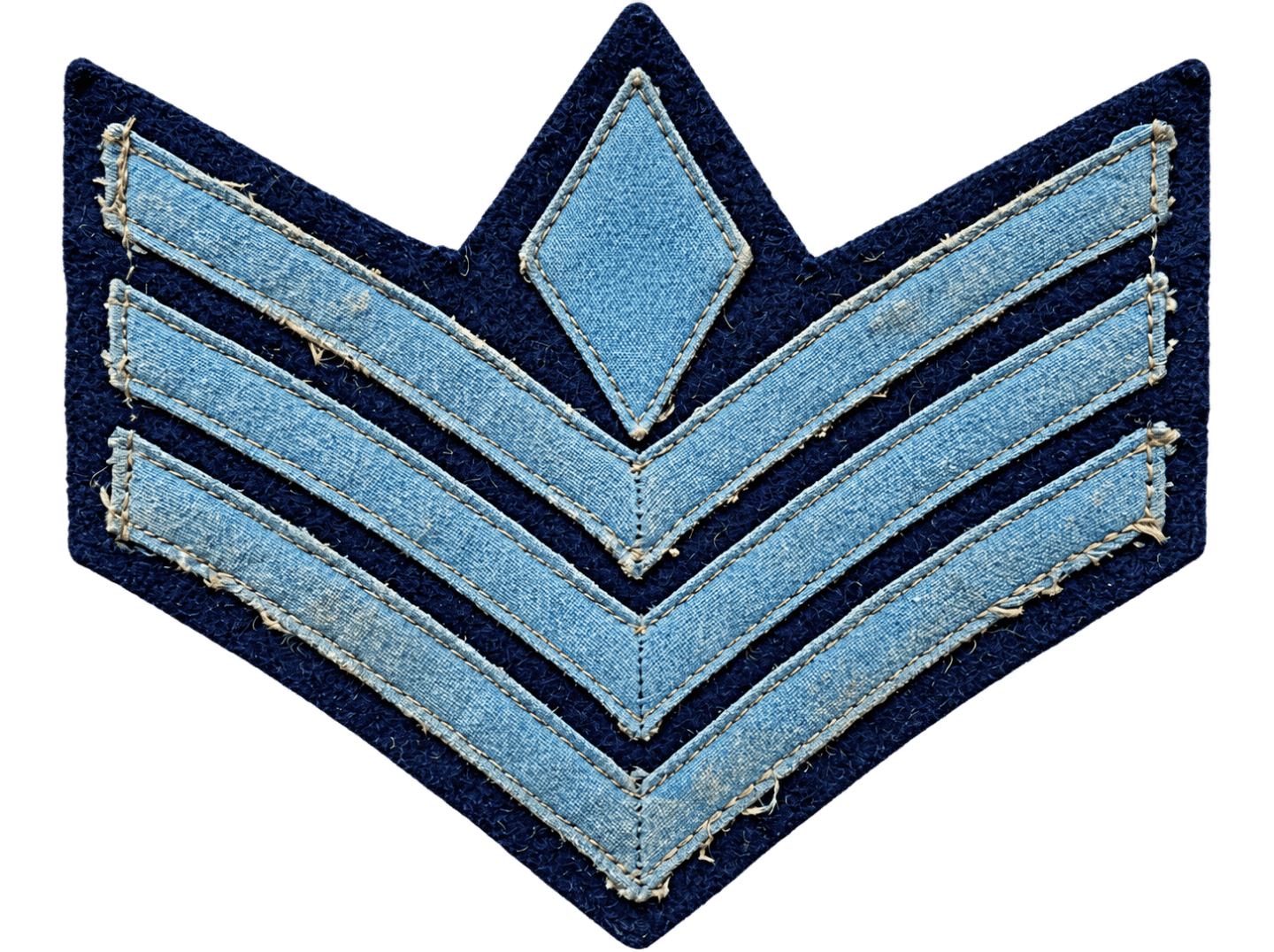
Iron Brigade sergeant who seized enemy colors and prisoners.
Albert O'Connor served in the 7th Wisconsin Infantry during the American Civil War. The Congressional Medal of Honor Society records his birth as 15 July 1843 at Herford, Canada. A conflicting account identifies Canaan, Vermont, in 1844; the original documents needed to settle that disagreement have not been verified.
By the start of the war, O'Connor was living in Wisconsin. He enlisted from West Point Township on 12 June 1861 and served in Company A of the 7th Wisconsin, part of the Iron Brigade. He was wounded at the Wilderness in May 1864 and was mustered out on 3 July 1865. The Medal of Honor Society identifies First Sergeant as his highest rank. Several later accounts also describe him as a brevet captain, but the underlying commission remains to be confirmed.
His Medal of Honor recognized two actions near the end of the war. Citation summary: on 31 March 1865, he and fellow soldier William H. Sickles rescued a captured Union officer from nine Confederates, taking three prisoners and driving off the others. On 1 April, O'Connor seized Confederate colors after killing an opposing officer in close combat, but was surrounded and forced to give up the flag. The award was made on 27 February 1917, almost 52 years later.
After his military service, O'Connor moved west to Washington. HistoryLink records that he lived in Seattle before becoming a resident of the Washington Soldiers Home at Orting. His wartime comrade Sickles also lived at the home. A 2015 Sons of Union Veterans account notes that a meeting building there was named for O'Connor. He died on 3 April 1928 and was buried in the Soldiers Home Cemetery at Orting.
Sources: Congressional Medal of Honor Society, Albert O'Connor; Sons of Union Veterans of the Civil War, Wisconsin Department, The Dispatch, Summer 2015; Duane Colt Denfeld, HistoryLink essay 10032; The Civil War in the East, Albert O'Connor.
Become the named supporter for this profile and edit the tribute biography and portrait (Owner account required). Proceeds help keep the archive online.
$25 USD / year — annual sponsorship renewal. Keeps the page online and, where enabled, the family anniversary remembrance emails active.