★
Loading archive…
Loading archive…

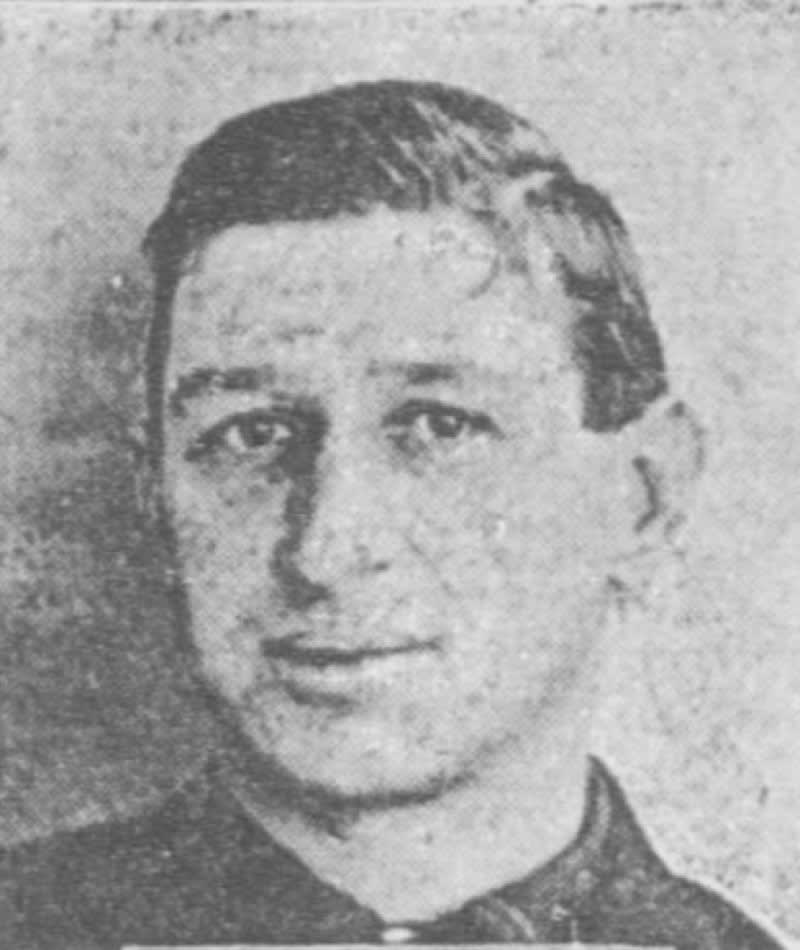
What kind of courage does it take to remain exposed while bullets strike the water and enemy fire sweeps across an open boat?
For Seaman Albert Vadas, courage meant continuing a dangerous mission off the coast of Cuba while Spanish forces fired from the shore. His actions during the Spanish-American War earned him the Medal of Honor and secured his place among the most courageous enlisted sailors in United States Navy history.
Albert Vadas, also recorded in some sources as Albert Wadas, served aboard USS Marblehead. In 1898, the cruiser operated in Cuban waters as the United States Navy attempted to isolate Spanish forces and disrupt their communications.
On 11 May 1898, sailors from USS Marblehead and USS Nashville were ordered to cut the submarine telegraph cables near Cienfuegos, Cuba. These cables connected Spanish military positions and allowed messages to pass between Cuba and the wider Spanish Empire.
The mission required sailors to work from small boats close to the coast. They had little protection and were exposed to rifle and artillery fire from Spanish troops positioned along the shoreline. Despite the danger, Vadas remained with the cable-cutting party and continued the operation under intense enemy fire.
His official Medal of Honor citation recognized his extraordinary bravery and coolness throughout the action. The award was issued under General Order No. 521 on 7 July 1899. His citation recorded his service aboard USS Marblehead during the attempt to cut the cable leading from Cienfuegos on 11 May 1898.
The cable operation came at a heavy cost. American sailors were killed and wounded, but the men continued working until sections of the communication line had been recovered and cut. Vadas’s conduct reflected the discipline expected of a naval seaman and the courage required to complete a mission while fully exposed to hostile fire.
His service during the West Indies naval campaign was also represented by the Sampson Medal. This medal recognized Navy and Marine Corps personnel who participated in designated naval engagements during the Spanish-American War. Vadas qualified through his documented participation in the Cienfuegos action aboard USS Marblehead.
The Spanish Campaign Medal further represented his qualifying naval service during the war with Spain. Together, these campaign awards record the wider operation in which he served, while the Medal of Honor preserves the specific bravery he displayed under fire.
What makes Albert Vadas’s story remarkable is that his heroism did not take place behind the protection of a warship’s armour. He faced the enemy from a small boat near the Cuban shoreline, where every man was visible and vulnerable.
Albert Vadas was more than a sailor performing an assigned duty. He was a Medal of Honor recipient whose bravery helped disrupt enemy communications during a critical naval campaign. His actions at Cienfuegos remain a powerful example of courage, discipline, and devotion to duty in the face of overwhelming danger.
Become the named supporter for this profile and edit the tribute biography and portrait (Owner account required). Proceeds help keep the archive online.
$25 USD / year — annual sponsorship renewal. Keeps the page online and, where enabled, the family anniversary remembrance emails active.