★
Loading archive…
Loading archive…

First Lieutenant, U.S. Army
Support & adopt this hero ↓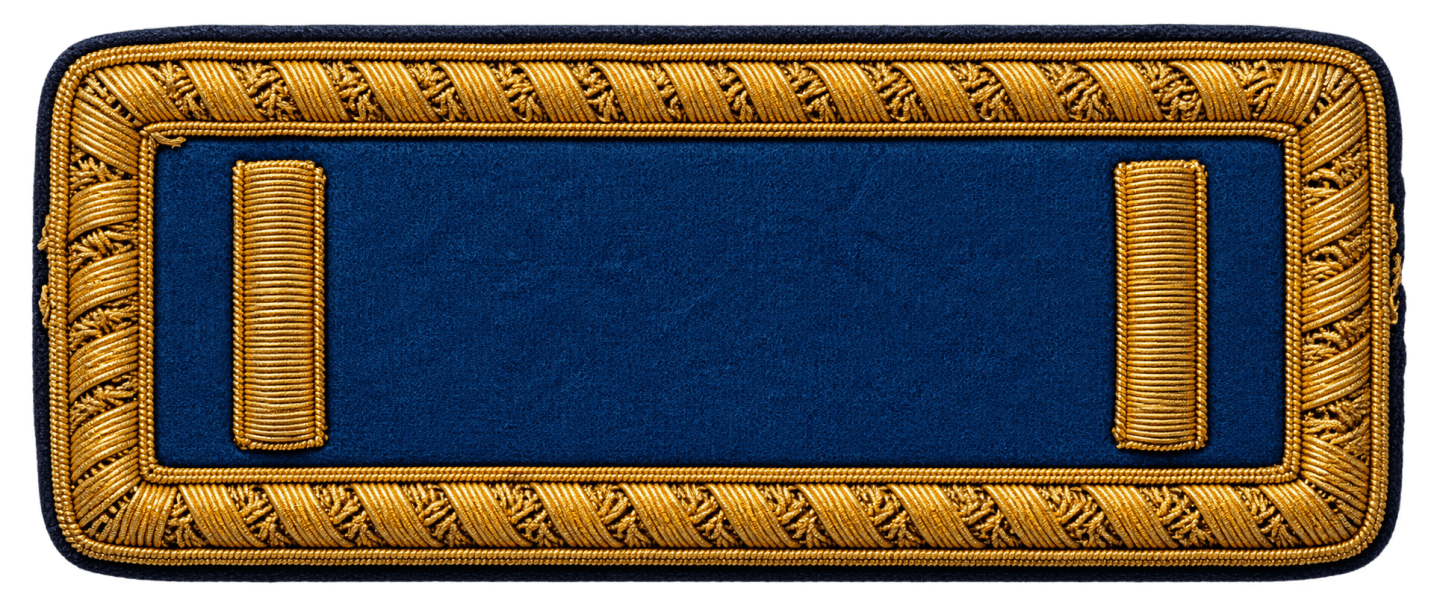
Alonzo Hereford Cushing (January 19, 1841 – July 3, 1863) was a First Lieutenant in the Union Army's Battery A, 4th U.S. Artillery, remembered as one of the most courageous artillery officers of the American Civil War, whose stand against Pickett's Charge at the Battle of Gettysburg became a symbol of unyielding bravery.
Prewar and Education Born in Delafield, Wisconsin, Cushing was the second of seven sons of William and Mary (Hodgkins) Cushing. The family had New England roots; the Cunninghams (later Cushing) were of English descent. He graduated from the Delafield Academy and entered the United States Military Academy at West Point, graduating in June 1861 as part of the class of 1861. Commissioned as both a second and first lieutenant on the same day, he was assigned to Battery A, 4th U.S. Artillery, one of the finest artillery units in the Union Army.
Civil War Service Cushing's battery saw action at the Battle of Fredericksburg (December 1862), where they provided critical fire support against Confederate positions. He earned a brevet to major following the Battle of Chancellorsville (May–June 1863), though he held the rank of first lieutenant at the time. His command of Battery A had grown increasingly distinguished as the battery became known for its precision and devastating fire on enemy positions.
Gettysburg and Pickett's Charge At Gettysburg, Cushing's Battery A was positioned on Cemetery Ridge as part of the Union's center. On the morning of July 3, 1863, General Robert E. Lee's artillery began an unprecedented bombardment—approximately 150 Confederate guns unleashed more than 2,500 shells in an attempt to destroy the Union line before the infantry assault. Cushing directed fire for his battery throughout the bombardment. He was struck in the shoulder by a shell fragment but refused to leave his post. A second fragment struck him again, causing grievous wounds to his abdomen. Still refusing to abandon his command, Cushing stood tall in full view of the advancing Confederates and continued to direct devastating artillery fire into the ranks of General George E. Pickett's division. When the Confederate infantry closed to within point-blank range, an enemy bullet entered his mouth and exited through the back of his skull. He fell dead beside his gun.
His fearless action inflicted heavy casualties on the advancing Confederate forces, opening gaps in their lines that directly contributed to the repulse of Pickett's Charge—a pivotal moment in the battle and in the war.
Citation The Medal of Honor citation reads: "First Lieutenant Alonzo H. Cushing distinguished himself by acts of bravery above and beyond the call of duty while serving as an artillery commander in Battery A, 4th U.S. Artillery, Army of the Potomac at Gettysburg, Pennsylvania on July 3rd, 1863. That morning, Confederate forces led by General Robert E. Lee began cannonading First Lieutenant Cushing's position on Cemetery Ridge. Using field glasses, First Lieutenant Cushing directed fire for his own artillery battery. He refused to leave the battlefield after being struck in the shoulder by a shell fragment. As he continued to direct fire, he was struck again—this time suffering grievous damage to his abdomen. Still refusing to abandon his command, he boldly stood tall in the face of Major General George E. Pickett's charge and continued to direct devastating fire into oncoming forces. As the Confederate forces closed in, First Lieutenant Cushing was struck in the mouth by an enemy bullet and fell dead beside his gun. His gallant stand and fearless leadership inflicted severe casualties upon Confederate forces and opened wide gaps in their lines, directly impacting the Union force's ability to repel Pickett's charge."
Death and Legacy Alonzo Cushing died on July 3, 1863, at age 22. He was buried at West Point Cemetery, alongside many of his classmates and brothers. His brother, William B. Cushing, was already famous for his capture of the CSS *Albemarle*. Another brother, Howard B. Cushing, also served in the Civil War. The town of Delafield honored the Cushing brothers; Cushing Elementary School and a state park bear their names. A stone monument marks the spot on Cemetery Ridge where Alonzo was killed.
Cushing was posthumously brevetted to lieutenant colonel. He has no recorded postwar service—his heroic action at Gettysburg was his final act.
Become the named supporter for this profile and edit the tribute biography and portrait (Owner account required). Proceeds help keep the archive online.
$25 USD / year — annual sponsorship renewal. Keeps the page online and, where enabled, the family anniversary remembrance emails active.