★
Loading archive…
Loading archive…
Captain, U.S. Army
Support & adopt this hero ↓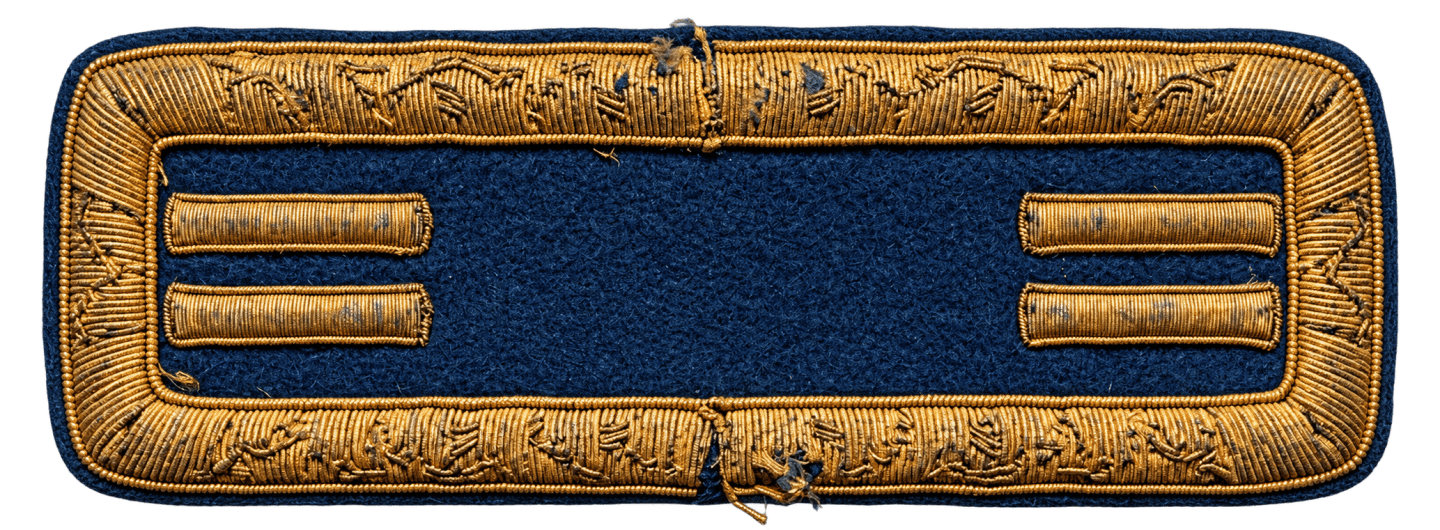
At Petersburg on July 30, 1864, the explosion beneath the Confederate works opened the Battle of the Crater, but the Union assault quickly became a disaster. First Lieutenant Andrew Davidson went into the enemy position with the 30th U.S. Colored Troops and, after senior officers and many company officers fell, helped rally and save what remained of the command. That leadership under fire earned him the Medal of Honor.
Davidson was born on February 12, 1840, at Morebattle in Roxburghshire, Scotland. He emigrated to the United States and served in the Union Army during the Civil War. By the summer of 1864 he was a first lieutenant in Company H, 30th U.S. Colored Troops. A surviving wartime photograph in the Library of Congress identifies him with both the 121st New York Infantry and the 30th U.S. Colored Troops.
The Battle of the Crater began when Union troops detonated a mine beneath the Confederate line outside Petersburg. The initial opening offered a chance for a breakthrough, but the assault force became trapped in confused and deadly fighting. Davidson was among the first into the Confederate works. With his colonel, major, and many company officers down, he helped rally the survivors and preserve the remnant of the command.
Medal of Honor Citation
Among the first into the enemy works, he helped rally and save the remaining troops after senior officers and many company officers had fallen.
Davidson survived the battle and the war. His Medal of Honor was presented on October 17, 1892. The Congressional Medal of Honor Society records his highest rank as colonel, while the VictoriaCross.ca record currently displays Captain; that rank-field difference should be reviewed separately rather than silently changed during this biography project.
After the war Davidson remained active in public life. He served in the New York State Senate in 1884 and 1885. He died at Bath, New York, on November 10, 1902, and was buried in Lakewood Cemetery at Cooperstown.
Davidson's Medal of Honor action came amid one of the Union Army's most chaotic attacks. His distinction was not that he escaped the collapse, but that when command around him was breaking down, he stayed with the men and helped bring order to what remained.
Become the named supporter for this profile and edit the tribute biography and portrait (Owner account required). Proceeds help keep the archive online.
$25 USD / year — annual sponsorship renewal. Keeps the page online and, where enabled, the family anniversary remembrance emails active.