★
Loading archive…
Loading archive…

Second Lieutenant, British Army
Support & adopt this hero ↓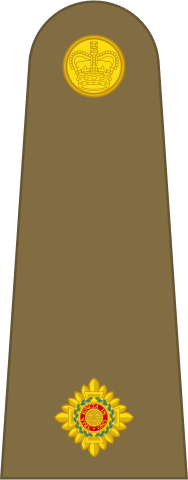
He led his men twice against the enemy despite a head wound.
Basil Arthur Horsfall earned the Victoria Cross while serving with the 11th Battalion, East Lancashire Regiment, the Accrington Pals. Born in Colombo, Ceylon, on 4 October 1887, he was educated in Ceylon and at Sir William Borlase’s Grammar School in Marlow. He returned to Ceylon, worked in planting and government finance, and served with the Ceylon Engineers.
He travelled to Britain in July 1916 and received an East Lancashire Regiment commission that December. Wounded in France in May 1917, he recovered in England before joining the 11th Battalion in October.
On 27 March 1918, during the German Spring Offensive, Horsfall suffered a severe head wound while commanding a platoon near Moyenneville and Ablainzevelle. He reorganised his men and recovered their position. After shellfire forced them back again, he led a second counter-attack. He refused evacuation while his company’s other officers were casualties and remained until his men withdrew. He was killed during the retirement.
Horsfall has no known grave and is commemorated on the Arras Memorial. His posthumous Victoria Cross was presented to his parents in Colombo. His three medals later passed to the Lancashire regimental museum collection.
Victoria Cross citation London Gazette, 21 May 1918:
For most conspicuous bravery and devotion to duty. 2nd Lt. Horsfall was in command of the centre platoon during an attack on our positions.
When the enemy first attacked his three forward sections were driven back and he was wounded in the head. Nevertheless, he immediately organised the remainder of his men and made a counter-attack, which recovered his original positions. On hearing that out of the remaining three officers of his company two were killed and one wounded, he refused to go to the dressing station, although his wound was severe.
Later his platoon had to be withdrawn to escape very heavy shell fire, but immediately the shelling lifted he made a second counter-attack and again recovered his positions. When the order to withdraw was given he was the last to leave his position, and, although exhausted, said he could have held on if it had been necessary.
His conduct was a splendid example to his men, and he showed throughout the utmost disregard of danger.
This very gallant officer was killed when retiring to the positions in rear.
Become the named supporter for this profile and edit the tribute biography and portrait (Owner account required). Proceeds help keep the archive online.
$25 USD / year — annual sponsorship renewal. Keeps the page online and, where enabled, the family anniversary remembrance emails active.