★
Loading archive…
Loading archive…
Corporal, U.S. Army
Support & adopt this hero ↓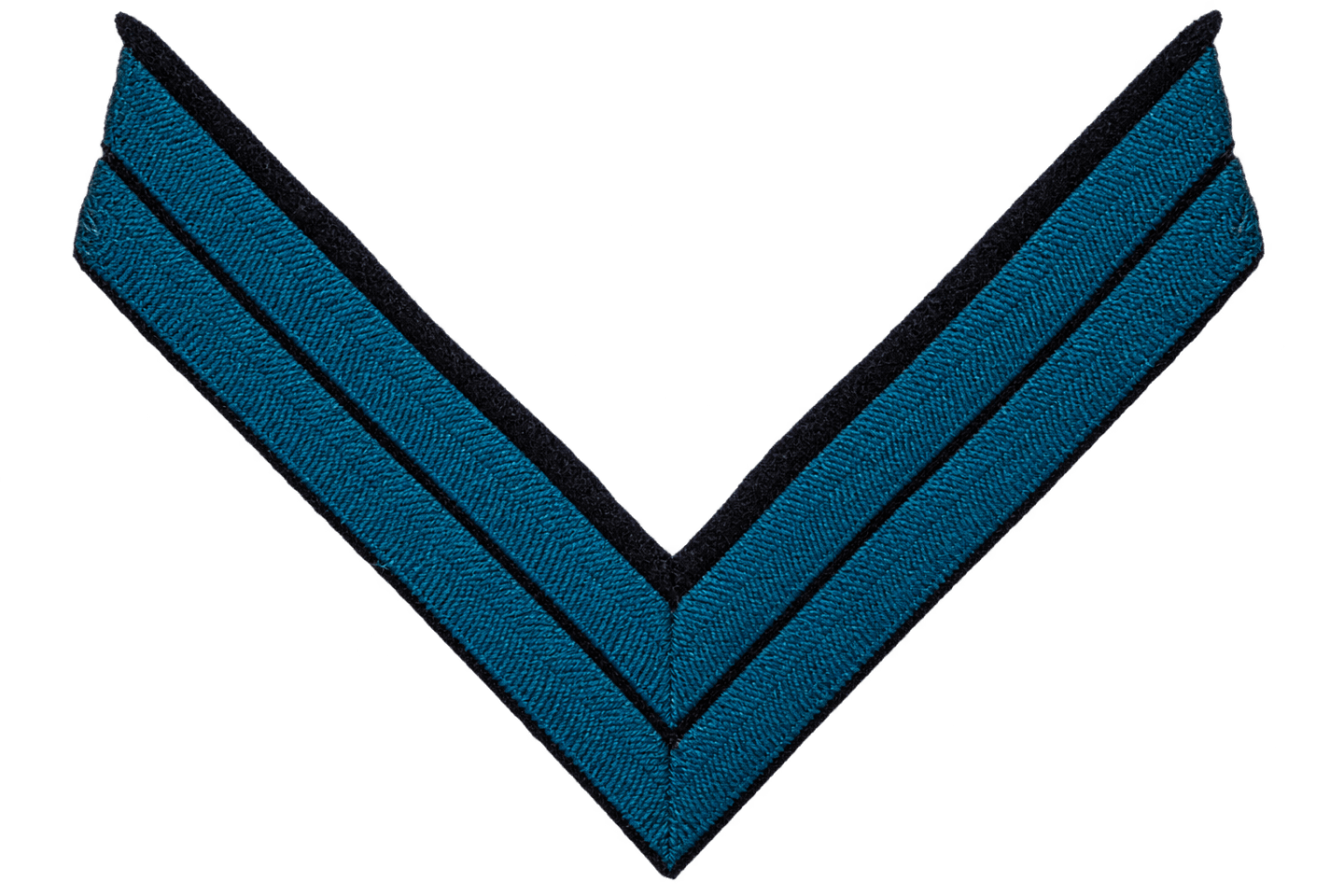
He Kept His Cannon Fighting Under Heavy Fire
Carl Ludwig was born on May 10, 1841, and later settled in New York, where he would serve in the Union Army during the American Civil War. As a soldier of the 34th Independent Battery, New York Light Artillery, Ludwig distinguished himself through extraordinary courage during the fighting at Petersburg, Virginia, on June 18, 1864. Serving as a Private and gunner of an artillery piece, he inflicted substantial losses on Confederate forces and helped remove his cannon under heavy enemy fire. His actions eventually earned him the Medal of Honor.
Ludwig entered military service during the early years of the Civil War, joining New York's volunteer artillery forces. His unit had originally been organized as Battery L of the 2nd New York Artillery before becoming an independent light artillery battery.
The organization was later designated the 34th Independent Battery, New York Light Artillery. It served with the Union Army's IX Corps and participated in several major military campaigns.
The battery's wartime history included operations in Virginia, Maryland, Mississippi, and Tennessee. Its service took it through some of the most demanding engagements of the conflict, including the campaigns around Vicksburg, Knoxville, the Wilderness, Spotsylvania, and Petersburg.
In the spring of 1864, the 34th Battery returned to Virginia as Union forces undertook the Overland Campaign against General Robert E. Lee's Army of Northern Virginia.
Under Lieutenant General Ulysses S. Grant's overall direction, Union armies engaged Confederate forces in a series of costly battles before advancing toward Petersburg, a strategically important city whose railroads supplied the Confederate capital of Richmond.
By mid-June 1864, Union forces had reached Petersburg and begun attacking its defenses. Confederate troops occupied fortified positions, supported by artillery and infantry, while Federal commanders attempted to break through before additional enemy reinforcements arrived.
The opening attacks developed into intense fighting that eventually marked the beginning of the prolonged Siege of Petersburg.
On June 18, 1864, Carl Ludwig was serving as a Private in the 34th New York Battery when he performed the action for which he would receive the Medal of Honor.
Assigned as the gunner of an artillery piece, Ludwig was responsible for aiming and helping operate the weapon during combat.
Field artillery played an essential role in Civil War battles. Gun crews worked together to load ammunition, position their weapons, and deliver fire against enemy formations. Operating these guns under direct enemy fire required coordination, physical effort, and courage.
During the fighting at Petersburg, Ludwig distinguished himself by continuing to operate his cannon effectively against Confederate forces.
According to his official Medal of Honor citation, he personally inflicted significant losses on the enemy while serving as the gunner of his piece.
His bravery became particularly evident when the artillery piece had to be removed from its position.
Moving a field gun under fire was a dangerous undertaking. The crew had to maneuver a heavy weapon while exposed to enemy artillery and musket fire, often without the protection available while the gun remained in its original position.
Ludwig distinguished himself during the removal of his cannon despite the heavy fire directed toward the Union position.
His official Medal of Honor citation recorded the achievement:
"As gunner of his piece, inflicted singly a great loss upon the enemy and distinguished himself in the removal of the piece while under a heavy fire."
The citation recognized two important aspects of his conduct: his effectiveness while operating the artillery piece and his courage in helping remove the weapon from danger.
Ludwig's actions demonstrated the responsibilities carried by ordinary enlisted artillerymen during the Civil War. Although he held the rank of Private, his performance during a critical moment of combat attracted formal recognition.
The fighting around Petersburg continued long after June 18, 1864. What had begun as an effort to capture the city quickly developed into a lengthy campaign of trench warfare, artillery bombardments, and attacks against Confederate supply lines.
The 34th New York Battery remained engaged in IX Corps operations during the later stages of the war, contributing to the Union effort to isolate Petersburg and weaken Confederate defenses.
The siege continued until April 1865, when Union forces broke through the Confederate lines and forced the evacuation of Petersburg and Richmond.
Ludwig survived the Civil War and later attained the rank of Corporal, the highest recorded rank associated with his military service.
His Medal of Honor action, however, occurred while he was serving as a Private on June 18, 1864.
More than three decades passed before his wartime courage received formal national recognition.
On July 30, 1896, Carl Ludwig was awarded the Army Medal of Honor for his extraordinary conduct during the fighting at Petersburg.
The decoration recognized his actions as a gunner of the 34th New York Battery, particularly his effectiveness against Confederate forces and his distinguished role in removing his artillery piece under heavy fire.
The Medal of Honor had been established during the Civil War to recognize exceptional gallantry in military service. Ludwig received the decoration during his lifetime, approximately thirty-two years after the battle in which he distinguished himself.
The award permanently connected his name with the artillery fighting around Petersburg and placed him among the Union soldiers whose individual bravery received the nation's highest military decoration for valor.
After the war, Ludwig returned to civilian life in New York. He established his home in the Flushing and College Point area of Queens, where he spent his later years.
His connection with the local community continued long after the conflict. He was also associated with the Grand Army of the Republic, an organization of Union veterans that preserved the memory of Civil War military service.
Ludwig lived into the early twentieth century, witnessing the continued recognition of Civil War veterans and the development of the communities surrounding New York City.
Carl Ludwig died on May 16, 1913, in College Point, New York, at the age of seventy-two. He was buried at Flushing Cemetery in Queens, New York.
His military legacy is closely associated with the Battle of Petersburg and the service of the 34th New York Battery.
On June 18, 1864, he remained effective as an artillery gunner under dangerous battlefield conditions and distinguished himself while helping remove his cannon during heavy enemy fire.
That act of courage became the defining achievement of his military career and earned him the Medal of Honor on July 30, 1896.
Carl Ludwig is remembered as a Union Army artilleryman whose determination and bravery at Petersburg secured his place among the Medal of Honor recipients of the American Civil War.
Become the named supporter for this profile and edit the tribute biography and portrait (Owner account required). Proceeds help keep the archive online.
$25 USD / year — annual sponsorship renewal. Keeps the page online and, where enabled, the family anniversary remembrance emails active.