★
Loading archive…
Loading archive…
He Led Sharpshooters to Capture Confederate Guns
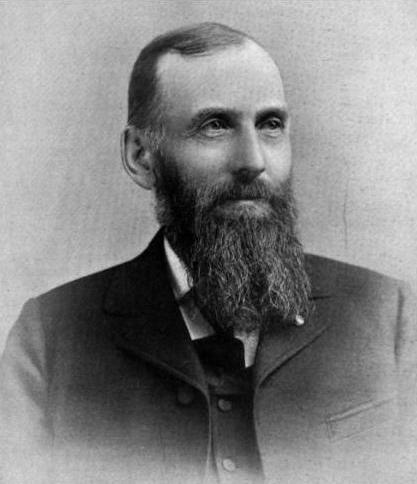
Cassius Peck was born on March 3, 1842, in Brookfield, Vermont. He became a Union Army soldier and Medal of Honor recipient whose courage during the Maryland Campaign of 1862 earned him national recognition. Serving with Company F of the 1st United States Sharpshooters, Peck distinguished himself on September 19, 1862, when he gathered available soldiers, led an attack against Confederate artillery, and captured an enemy soldier during reconnaissance near Shepherdstown, Virginia, now West Virginia.
Peck grew up in Brookfield, the son of Reuben and Hannah Peck. He received his education at local schools and attended Montpelier Seminary and West Randolph Academy. His early years were spent in rural Vermont, where farming and community life shaped much of the region's economy.
When the American Civil War began in April 1861, thousands of men from Vermont volunteered to defend the Union. Peck joined this effort on September 12, 1861, enlisting in Company F of the 1st United States Sharpshooters.
The regiment was organized under Colonel Hiram Berdan and became known for the marksmanship of its soldiers. Unlike conventional infantry units, sharpshooters were frequently assigned to skirmishing, reconnaissance, and advanced positions where accurate rifle fire and individual initiative were particularly important.
Company F included volunteers from Vermont, and its members served alongside other companies drawn from several northern states. The regiment participated in operations with the Army of the Potomac during some of the Civil War's most demanding campaigns.
In September 1862, Confederate General Robert E. Lee invaded Maryland, hoping to shift the fighting northward and strengthen the Confederacy's strategic position.
Union forces under Major General George B. McClellan pursued the Confederate army, culminating in the Battle of Antietam on September 17, 1862.
Antietam became the bloodiest single day of fighting in American military history. Although neither army achieved a complete battlefield victory, Lee withdrew his forces toward the Potomac River and began returning to Virginia.
Union troops followed the Confederate retreat, attempting to prevent Lee's army from escaping without further losses.
On September 19, 1862, elements of the Union Army advanced toward the Potomac River near Shepherdstown. Confederate forces occupied positions on the opposite bank, covering the withdrawal of Lee's army.
The 1st United States Sharpshooters participated in the operation.
According to the regiment's wartime history, members of Company F crossed the Potomac while exposed to Confederate rifle fire. The water was deep enough that soldiers had to hold their cartridge boxes above their heads to protect their ammunition.
After reaching the opposite bank, the sharpshooters drove Confederate skirmishers away from their immediate positions and advanced farther inland.
It was during this movement that Cassius Peck performed the actions for which he would later receive the Medal of Honor.
Peck gathered soldiers who were available and assumed command of the small force.
Advancing against Confederate troops positioned near artillery, he led the soldiers in an attack that forced the opposing detachment to withdraw.
The Union party captured Confederate artillery pieces during the operation.
Peck also captured an enemy soldier while conducting reconnaissance.
His official Medal of Honor citation recognized both achievements, describing how he took command of available soldiers, attacked and captured a Confederate artillery battery, and personally captured a Confederate soldier.
The actions demonstrated initiative during a rapidly changing battlefield situation. Peck acted with a small group rather than waiting for a large organized assault, helping secure enemy artillery and a prisoner during the Union advance.
The fighting near Shepherdstown continued into September 20, when Confederate forces counterattacked Union troops that had crossed the river.
The engagement became one of the final military actions associated with the Maryland Campaign.
For Peck, the events of September 19 established the central achievement of his military career.
He remained in service with Company F as the Civil War continued. The 1st United States Sharpshooters subsequently participated in further operations with the Army of the Potomac, where its soldiers continued to serve in advance positions and on the skirmish line.
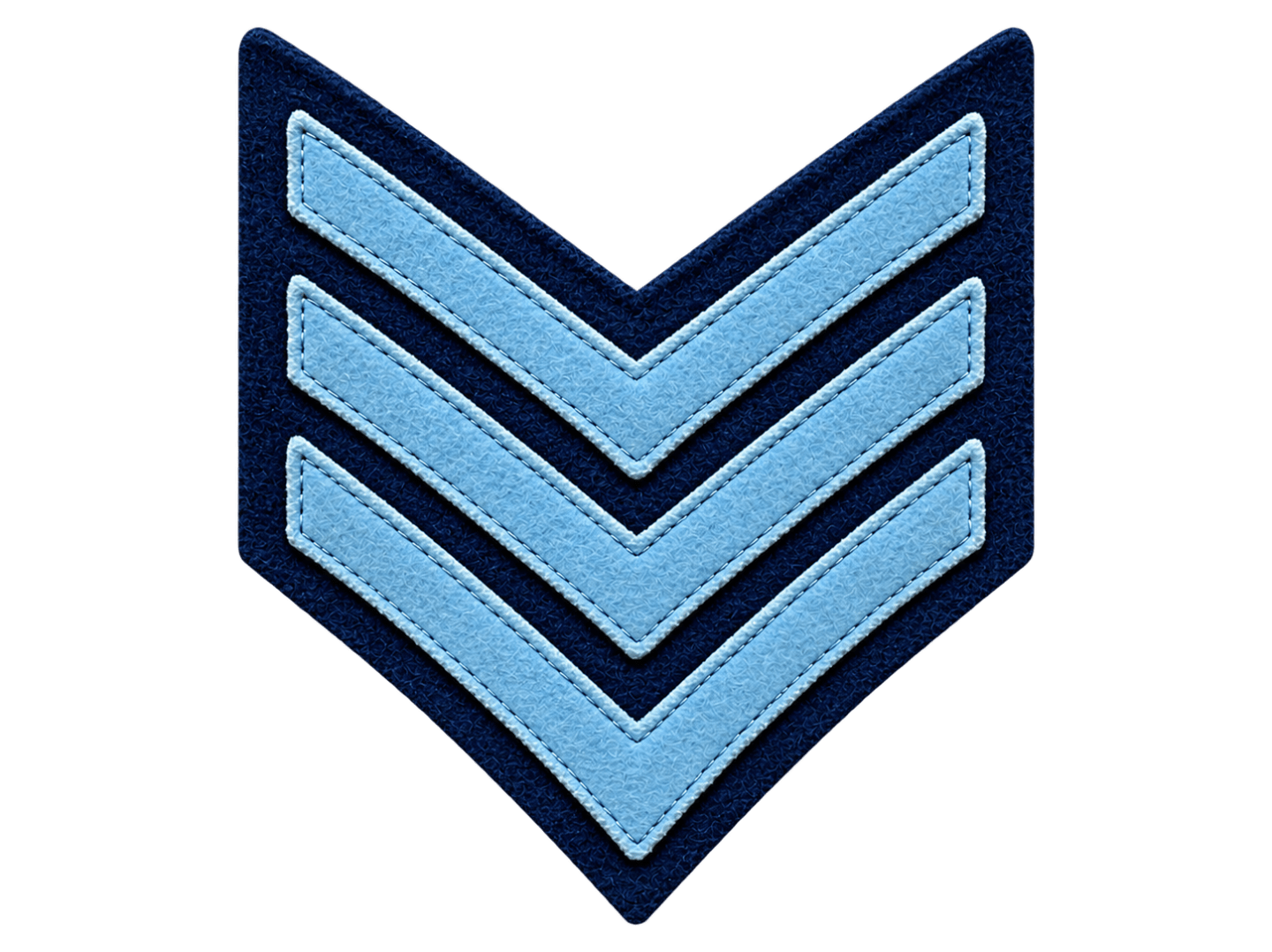
Peck advanced through the enlisted ranks and attained the rank of Sergeant during his military career.
His military service ended on September 12, 1864, when he received an honorable discharge after completing three years in the Union Army.
Following the war, Peck returned to Vermont and resumed civilian life.
He married Luna Arnold Sprague, and the couple established their home in Brookfield. They raised a large family, and their household remained closely connected with the community in which Peck had grown up.
Peck became a farmer and took an active interest in local affairs. His involvement in public life eventually led him into Vermont politics.
He represented Brookfield in the Vermont House of Representatives in 1882 and 1886. During his legislative service, he became associated with matters involving roads, bridges, and transportation.
In 1896, he represented Orange County in the Vermont Senate, where he served as chairman of the Committee on Military Affairs.
His political career reflected a continued commitment to public service following his military career.
Peck was also active in organizations associated with Civil War veterans and community affairs. He participated in the Grand Army of the Republic, the Masons, the Order of the Eastern Star, and the Grange.
His interest in preserving the memory of the Civil War extended to battlefield commemoration. He was appointed by Vermont's governor to assist in selecting and placing a state monument at Gettysburg, Pennsylvania.
Nearly thirty years after his distinguished conduct near Shepherdstown, Peck received formal recognition for his wartime actions.
On October 12, 1892, Cassius Peck was awarded the Army Medal of Honor for his bravery on September 19, 1862.
The decoration honored his leadership in the capture of Confederate artillery and his capture of an enemy soldier while conducting reconnaissance.
The Medal of Honor had been established during the Civil War to recognize extraordinary military gallantry. Peck received the decoration during his lifetime, allowing his actions during the Maryland Campaign to become part of the nation's officially recognized military history.
His award distinguished him among the soldiers of the 1st United States Sharpshooters whose individual courage received national recognition.
Peck eventually moved from Brookfield to Burlington, Vermont, while maintaining his connections with his hometown.
In addition to his legislative and civic responsibilities, he served as a trustee of the University of Vermont and the Vermont Soldiers' Home.
Cassius Peck died on July 12, 1913, in Burlington, Vermont, at the age of seventy-one.
He was buried at Brookfield New Cemetery in Brookfield, Vermont, returning to the community where he had been born and spent much of his life.
His military legacy is centered on the events of September 19, 1862. During the Union pursuit of Confederate forces following Antietam, Peck gathered soldiers, assumed command, attacked an enemy artillery position, and captured a Confederate soldier during reconnaissance.
Those actions earned him the Medal of Honor and established his place among the distinguished Union soldiers of the American Civil War.
Beyond his military achievements, Peck contributed to Vermont through farming, legislative service, veterans' organizations, and efforts to preserve the memory of the Civil War.
Cassius Peck is remembered as a Vermont sharpshooter whose battlefield initiative and subsequent public service left a lasting historical legacy.
Become the named supporter for this profile and edit the tribute biography and portrait (Owner account required). Proceeds help keep the archive online.
$25 USD / year — annual sponsorship renewal. Keeps the page online and, where enabled, the family anniversary remembrance emails active.