★
Loading archive…
Loading archive…
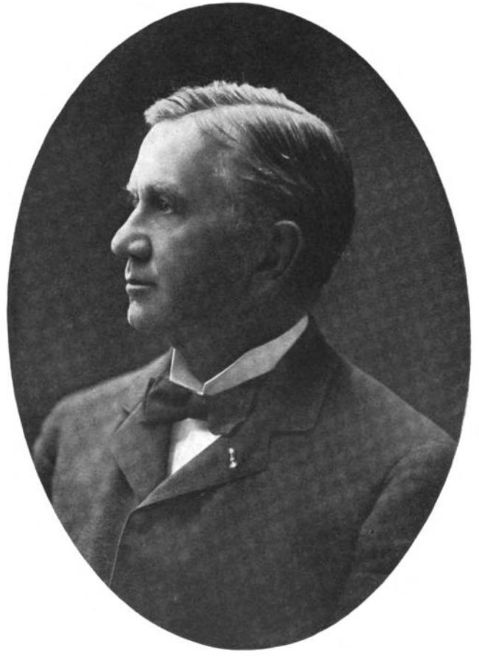
Captain Brevet Lieutenant Colonel, U.S. Army
Support & adopt this hero ↓
On the night of 4 May 1863, with Confederate forces threatening to cut off the Union position at Brooks Ford, Lieutenant Charles Amory Clark faced a desperate situation. The commander of the 6th Maine Infantry was absent, the regiment was dangerously exposed, and its escape route lay down a steep bluff toward the Rappahannock River. Taking command at great personal risk, Clark led his men down the precipitous embankment and guided them toward the river crossing, helping save the regiment from capture or destruction. His extraordinary leadership during the Chancellorsville Campaign became one of the defining acts of his American Civil War service.
Born on 26 January 1841 in Sangerville, Maine, Clark abandoned his studies at Foxcroft Academy and enlisted in the Union Army on 24 April 1861. Serving with the 6th Maine Infantry, he advanced from private to corporal and quartermaster sergeant before receiving his officer's commissions. He became a first lieutenant and regimental adjutant, earning recognition for his courage at Marye's Heights and Rappahannock Station. His gallantry brought him brevet promotions to major and lieutenant colonel. After being wounded during the November 1863 fighting, he was honorably discharged in February 1864. Determined to continue serving, he returned to the Army as a captain and assistant adjutant-general of volunteers on Brigadier General Hiram Burnham's staff. He subsequently participated in operations at Bermuda Hundred, Drewry's Bluff, Cold Harbor, Petersburg and Fort Harrison, where Union forces captured important Confederate fortifications. His military service ended in November 1864, with his health seriously affected by wounds, exposure and disease.
For his extraordinary heroism at Brooks Ford, Clark received the Medal of Honor on 13 May 1896. His official citation recognized his voluntary assumption of command, remarkable presence of mind, resourcefulness, personal courage and sound judgment in saving his regiment from capture or destruction. His qualifying Union service also made him eligible for the Army Civil War Campaign Medal, established in 1907. After the war, Clark pursued a successful legal career in Iowa, eventually settling in Cedar Rapids. He remained deeply committed to his fellow veterans and served as Commander of the Iowa Department of the Grand Army of the Republic from 1906 to 1907. In 1897, he published Campaigning with the Sixth Maine, preserving his personal recollections of the regiment and its wartime experiences. Charles Amory Clark died in Cedar Rapids, Iowa, on 22 December 1913, leaving behind a legacy of battlefield courage, leadership and lifelong service to his country and fellow veterans.
Become the named supporter for this profile and edit the tribute biography and portrait (Owner account required). Proceeds help keep the archive online.
$25 USD / year — annual sponsorship renewal. Keeps the page online and, where enabled, the family anniversary remembrance emails active.