★
Loading archive…
Loading archive…

Corporal, U.S. Army
Support & adopt this hero ↓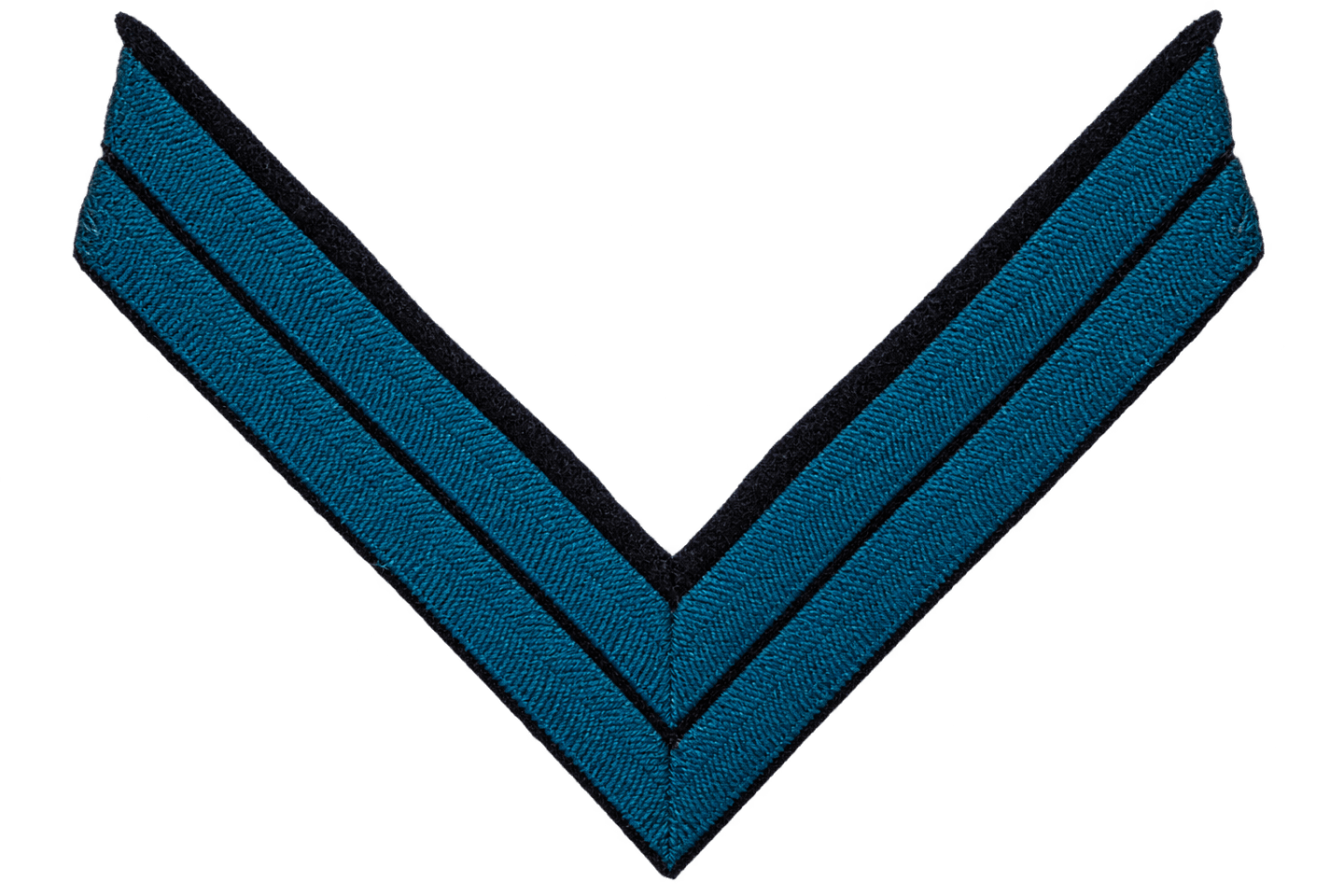
Charles Avery Reeder was born on November 20, 1843, in the region that is now West Virginia. He became associated with Shinnston, Harrison County, West Virginia, the community to which his Medal of Honor record was later accredited. During the American Civil War, Reeder entered the service of the United States Army and became a member of Company G, 12th West Virginia Infantry. Although he later attained the rank of Corporal, he was serving as a Private when he performed the act of valor for which he received the Medal of Honor. Congressional Medal of Honor Society The 12th West Virginia Infantry was a Union infantry regiment organized during the Civil War. Over the course of its service, the regiment operated in the Shenandoah Valley and later took part in the campaigns that brought Union forces against the defenses of Richmond and Petersburg. Its wartime record included service connected with New Market, Piedmont, Lynchburg, the Shenandoah Valley operations of 1864, the Siege of Petersburg, and finally the Appomattox Campaign. By the closing months of the war, the regiment had been assigned to the XXIV Corps, Army of the James, and was positioned for the final offensive against Petersburg. The Civil War in the East The defining moment of Reeder's military career came on April 2, 1865, during the final Union breakthrough at Petersburg, Virginia. Confederate defenses were collapsing under a massive Union offensive, but several fortified positions continued to resist. Among them was Fort Gregg, also referred to in Medal of Honor records as Battery Gregg, a heavily defended position near Petersburg. The fort became the scene of a determined assault by Union troops, including soldiers of the 12th West Virginia Infantry. Congressional Medal of Honor Society The fighting at Fort Gregg was particularly intense. Union soldiers had to advance directly against a fortified Confederate position, and the struggle continued at close range as attackers reached the works. The 12th West Virginia distinguished itself during the assault, and its performance was later specifically recognized by Major General John Gibbon, commander of the XXIV Corps. The regiment's conduct at Fort Gregg became one of the most celebrated episodes in its history. Wikipedia During that assault, Private Charles A. Reeder captured a Confederate flag. His official Medal of Honor citation is exceptionally brief—simply recording the “capture of flag.” Although the surviving citation does not provide a long narrative of the circumstances, taking an enemy flag during a direct assault on a fortified position required Reeder to reach the immediate area of the opposing force while the battle was still in progress. His act occurred at Battery Gregg on April 2, 1865, and it became the deed for which the United States formally recognized him with its highest military decoration. Congressional Medal of Honor Society Reeder was not the only member of the 12th West Virginia Infantry whose conduct at Fort Gregg received extraordinary recognition. Other soldiers from the regiment were also later awarded the Medal of Honor for actions during the assault, demonstrating how fiercely contested the position was and how prominently the regiment figured in its capture. West Virginia historical records specifically preserve Reeder's role as the soldier who captured an enemy flag during the attack. wvencprod.wvnet.edu The fall of Fort Gregg came at a decisive point in the war. Petersburg's defensive system was breaking apart, and Confederate forces soon evacuated both Petersburg and Richmond. Beginning on April 3, Union forces pursued General Robert E. Lee's Army of Northern Virginia westward. The 12th West Virginia continued with the Appomattox Campaign, which culminated in Lee's surrender at Appomattox Court House on April 9, 1865. The regiment remained in service for a short period afterward and was mustered out on June 16, 1865. The Civil War in the East Reeder's heroism was formally recognized two years after the battle. On April 3, 1867, the Medal of Honor was presented to him for his conduct at Battery Gregg. His official record identifies him as Private, Company G, 12th West Virginia Infantry, and confirms that the award was not posthumous. His action therefore belongs historically to the Civil War, while the presentation of the medal occurred during the immediate postwar period. Congressional Medal of Honor Society For the ribbon system used in this profile, Reeder's Medal of Honor is correctly represented as the Medal of Honor 1862–1895 Army, because his award was presented in 1867. No V device should be attached to the ribbon. His later documented highest rank was Corporal, but his Medal of Honor action must continue to be described with his correct action rank: Private. Congressional Medal of Honor Society Reeder's service also falls within the qualifying dates represented in the project by the Civil War Campaign Medal 1862–1895 Army. The Army Civil War Campaign Medal was formally established by the War Department in 1907 and recognized Army military service between April 15, 1861 and April 9, 1865, with an extended period for qualifying service in Texas. Reeder's documented Civil War service clearly falls within this qualifying period. HRC Army There is an important historical distinction concerning this campaign medal. Reeder died before the medal was established, so the ribbon in this profile should be understood as representing his qualifying Civil War service, rather than claiming that he personally received a physical 1907-issued campaign medal during his lifetime. National Archives history notes that the original 1907 medal was created decades after the war. National Archives After leaving military service, Reeder returned to civilian life. West Virginia historical material records that he worked as a merchant after the war. He lived for nearly four decades after his Medal of Honor action, carrying the distinction of being one of West Virginia's Civil War Medal of Honor recipients. wvencprod.wvnet.edu Charles Avery Reeder died on September 28, 1902, in Morgantown, West Virginia. He was buried at Masonic Cemetery in Shinnston, West Virginia, maintaining his connection to the community with which his military record was associated. Congressional Medal of Honor Society Reeder's military legacy ultimately centers on a single documented act performed during one of the last major battles of the Civil War. On April 2, 1865, while still a private in the 12th West Virginia Infantry, he participated in the assault on the Confederate defenses at Petersburg and captured an enemy flag at Battery Gregg. The deed earned him the Medal of Honor, and his later promotion to corporal reflected the continuation of a military record permanently associated with the final collapse of the Confederate defenses around Petersburg.
Become the named supporter for this profile and edit the tribute biography and portrait (Owner account required). Proceeds help keep the archive online.
$25 USD / year — annual sponsorship renewal. Keeps the page online and, where enabled, the family anniversary remembrance emails active.