★
Loading archive…
Loading archive…
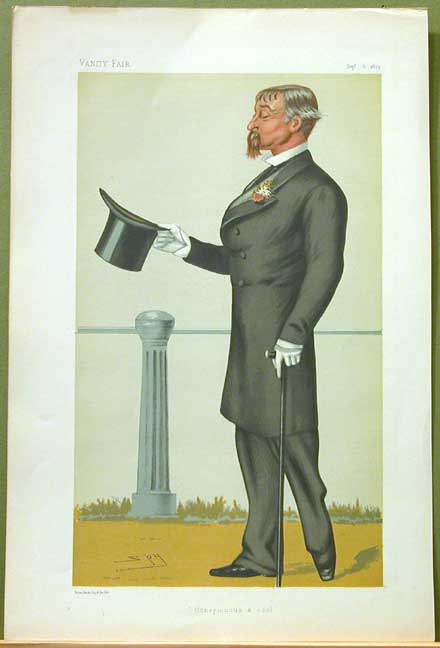
Lieutenant-General, British Army
Support & adopt this hero ↓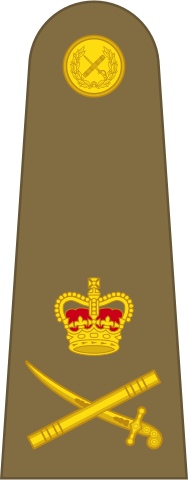
The Wounded Hussar Who Defied Enemy Fire to Save His Comrades What makes a soldier risk his own life to save others when he is already seriously wounded? For Charles Craufurd Fraser, courage was not simply a matter of facing the enemy. It was a duty to protect the men beside him. His extraordinary rescue at the River Raptee during the Indian Rebellion of 1857 earned him the Victoria Cross, Britain's highest award for gallantry.
Born on 31 August 1829, Charles Craufurd Fraser joined the 7th (Queen's Own) Hussars as a Cornet on 3 December 1847. He established his reputation as a capable cavalry officer during the Indian Rebellion of 1857 to 1859, serving in numerous operations, including Meeangunge, the siege and capture of Lucknow, Baree, Sirsee and the Trans-Gogra campaign. On 13 June 1858, while leading his squadron in a charge against rebel forces at Nawabgunge, Fraser was severely wounded. Remarkably, his injury did not prevent him from returning to active operations. His Indian campaign service was recognised by the Indian Mutiny Medal with the Lucknow clasp.
His defining moment came on 31 December 1858 at the River Raptee, near the Nepalese frontier. During the pursuit of rebel forces, Captain Stisted and several men of the 7th Hussars became stranded in the dangerous river and faced imminent drowning. Despite still suffering from his earlier wound, Fraser volunteered to swim through a powerful current under a sharp fire of enemy musketry. At considerable personal risk, he reached the stranded soldiers and brought them to safety. The official Victoria Cross citation praised his conspicuous and cool gallantry, particularly noting that he performed the rescue while partially disabled from his previous injury. His award was announced in the London Gazette in November 1860. The Royal Humane Society also recognised this extraordinary act with its Silver Medal, for which a remarkable silver-gilt example survives bearing Fraser's name and the date of the rescue.
Fraser's military career continued long after his celebrated act of bravery. He transferred to the 11th Hussars in 1859 and subsequently commanded the regiment. During the Abyssinian Expedition of 1867 to 1868, he served as Commandant at Headquarters and was responsible for the outposts. He participated in the action of Arogee and the capture of Magdala, where his service earned recognition for unceasing vigilance. He was appointed a Companion of the Order of the Bath in recognition of his military service and received the Abyssinia Medal. His distinguished career continued through senior cavalry appointments, and he eventually attained the rank of Lieutenant-General. In 1891, Queen Victoria appointed him a Knight Commander of the Order of the Bath, officially recognising his long military career and service to the Crown.
Beyond the battlefield, Fraser also entered public life, serving as Conservative Member of Parliament for Lambeth North from 1885 to 1892. His career reflected decades of military leadership, service across two major imperial campaigns and a reputation established through exceptional personal courage. Lieutenant-General Sir Charles Craufurd Fraser died in London on 7 June 1895, aged 65.
The story of Charles Craufurd Fraser is remembered not merely for the Victoria Cross he earned, but for the extraordinary circumstances in which he won it. Wounded, partially disabled and under enemy fire, he chose to enter a dangerous river because fellow soldiers needed his help. His actions at the River Raptee remain a powerful example of courage, selflessness and devotion to comrades.
Become the named supporter for this profile and edit the tribute biography and portrait (Owner account required). Proceeds help keep the archive online.
$25 USD / year — annual sponsorship renewal. Keeps the page online and, where enabled, the family anniversary remembrance emails active.