★
Loading archive…
Loading archive…
Two Horses Fell as He Charged With the Flag
Charles E. Wilson was a Union Army cavalryman who received the United States Medal of Honor for extraordinary bravery during the American Civil War. Serving as a sergeant in Company A of the 1st New Jersey Cavalry, Wilson distinguished himself at the Battle of Sailor's Creek, Virginia, on April 6, 1865. During an assault against Confederate positions, he charged the enemy's works while carrying the colors and had two horses shot from beneath him. His determination during the engagement earned him the nation's highest military decoration just three months later.
Wilson was born in Bucks County, Pennsylvania, around 1840, although historical records differ concerning his precise birth year. Relatively little is documented about his childhood, family background, education, or early civilian life. His military service during the American Civil War provides the clearest surviving account of his historical achievements.
When the Civil War began in 1861, Union and Confederate forces entered a conflict that would continue for four years. Wilson joined the Union Army and served with Company A of the 1st New Jersey Cavalry, a mounted regiment organized in New Jersey during the opening months of the war.
The 1st New Jersey Cavalry participated in military operations in Virginia and other areas of the eastern theater. Cavalry units performed a variety of duties, including reconnaissance, screening army movements, pursuing retreating forces, and engaging enemy cavalry. Wilson's documented service places him within this mounted regiment, although the surviving accounts do not establish his individual participation in every operation undertaken by the unit.
Wilson held the rank of sergeant at the time of his Medal of Honor action. As a noncommissioned officer, he served within the regiment's military structure during the final phase of the conflict. His official award record identifies the event that distinguished his service and brought him national recognition.
By early April 1865, the Confederate Army of Northern Virginia was retreating westward following the collapse of its defensive positions around Petersburg and Richmond. Union forces pursued the retreating columns, seeking to prevent Confederate troops from escaping and reorganizing.
On April 6, 1865, Union and Confederate forces fought a major engagement at Sailor's Creek, also known as Sayler's Creek, in Virginia. The battle occurred during the final days of General Robert E. Lee's retreat toward Appomattox and resulted in substantial Confederate losses.
The fighting involved Union infantry and cavalry attacking Confederate formations attempting to continue their withdrawal. The 1st New Jersey Cavalry participated in the operations associated with the engagement, and Wilson's individual actions took place near Deatonsville.
During the battle, Wilson advanced against Confederate defensive positions while carrying the colors. His official Medal of Honor citation records that he charged the enemy's works with the flag in his possession and had two horses shot from beneath him.
Carrying the colors during a cavalry assault placed Wilson in a highly visible position. Military flags served as important symbols of unit identity and helped soldiers recognize their formations during the confusion of combat.
As Wilson participated in the attack, enemy fire struck his mounts. The loss of two horses during the engagement demonstrated the danger he encountered while advancing against the Confederate position.
Despite these battlefield hazards, Wilson's conduct was recognized as an extraordinary example of courage. His citation specifically preserves the circumstances of the charge, identifying both his role in carrying the colors and the loss of his horses under enemy fire.
The surviving official citation does not establish the precise sequence in which the horses were struck or provide a detailed account of Wilson's movements after each incident. Nevertheless, it clearly documents his participation in the charge and the exceptional danger he faced.
The Battle of Sailor's Creek took place only three days before General Robert E. Lee surrendered the Army of Northern Virginia at Appomattox Court House on April 9, 1865. Wilson's recognized action therefore occurred during the closing days of one of the most consequential military campaigns of the American Civil War.
On July 3, 1865, Charles E. Wilson received the Medal of Honor for his actions at Deatonsville on April 6. Unlike many Civil War recipients who received their decorations decades after the war, Wilson was recognized within months of the battle.
His decoration formally acknowledged the courage he displayed as a sergeant of the 1st New Jersey Cavalry. The specific act recognized was his charge against the enemy's works while bearing the colors under fire.
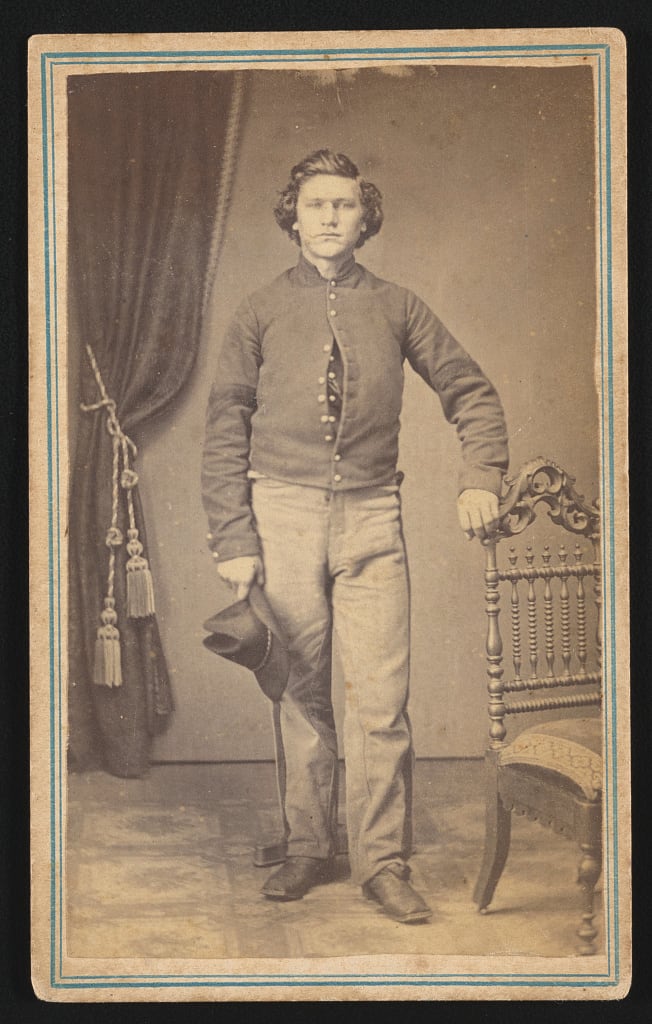
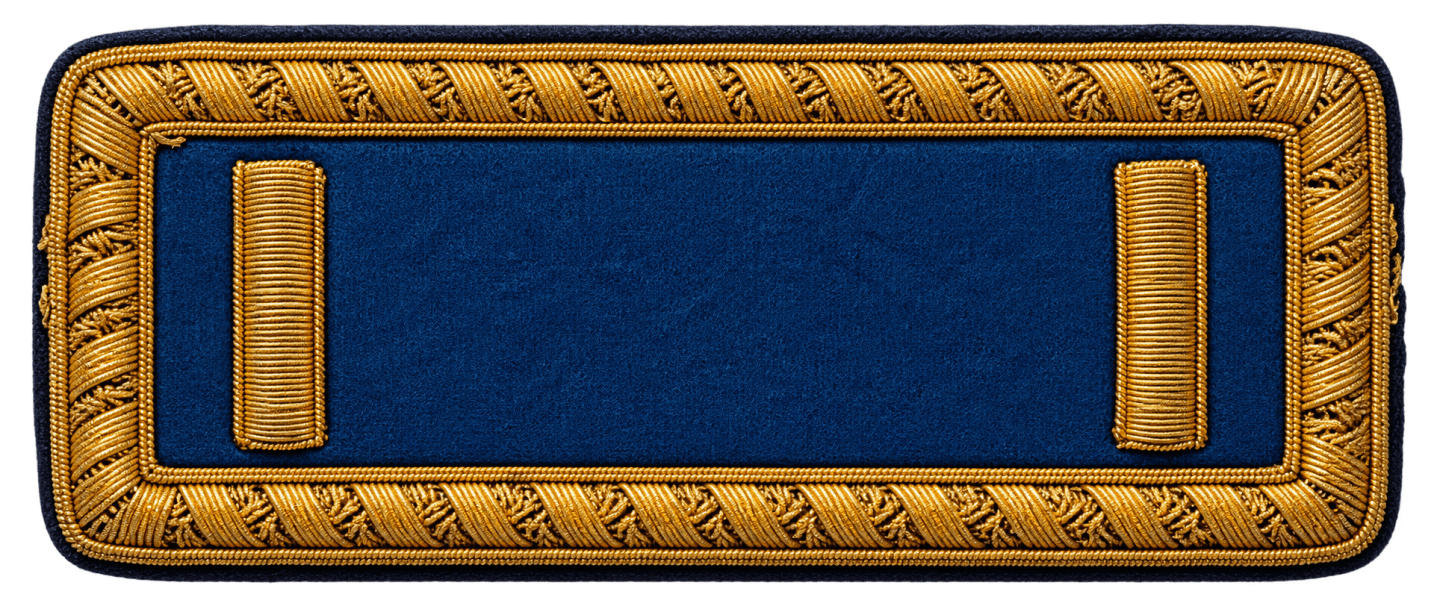
Wilson subsequently attained the rank of first lieutenant, the highest rank recorded in his military history. A surviving historical photograph, taken by J. C. Reeve of Lambertville, New Jersey, identifies him as a member of Company A of the 1st New Jersey Cavalry.
The photograph presents Wilson in his military uniform and preserves a rare contemporary image of the Medal of Honor recipient. An inscription on the reverse reads, "Yours truly, Sergt. Charles E. Wilson," providing an additional connection between the surviving portrait and his wartime identity.
Although Wilson's Medal of Honor action and military affiliation are documented, relatively little verified information is available concerning his personal activities after the Civil War. His later civilian occupation, family circumstances, and professional life cannot be reconstructed in detail from the established recipient records.
Charles E. Wilson died on August 15, 1915, in Trenton, New Jersey. He was buried at Highland Cemetery in Hopewell Township, New Jersey, where his burial preserves his connection to the state in which he served during the Civil War.
Wilson's military legacy is defined by his bravery during the Battle of Sailor's Creek. As a Union cavalry sergeant carrying the colors into an assault, he faced enemy fire that brought down two horses beneath him and earned recognition for his extraordinary conduct.
His Medal of Honor, presented on July 3, 1865, commemorates his actions during the final days of the Civil War. Together with his surviving military portrait, the decoration preserves the story of a New Jersey cavalryman whose courage at Deatonsville secured his place among the recipients of America's highest military honor.
Become the named supporter for this profile and edit the tribute biography and portrait (Owner account required). Proceeds help keep the archive online.
$25 USD / year — annual sponsorship renewal. Keeps the page online and, where enabled, the family anniversary remembrance emails active.