★
Loading archive…
Loading archive…
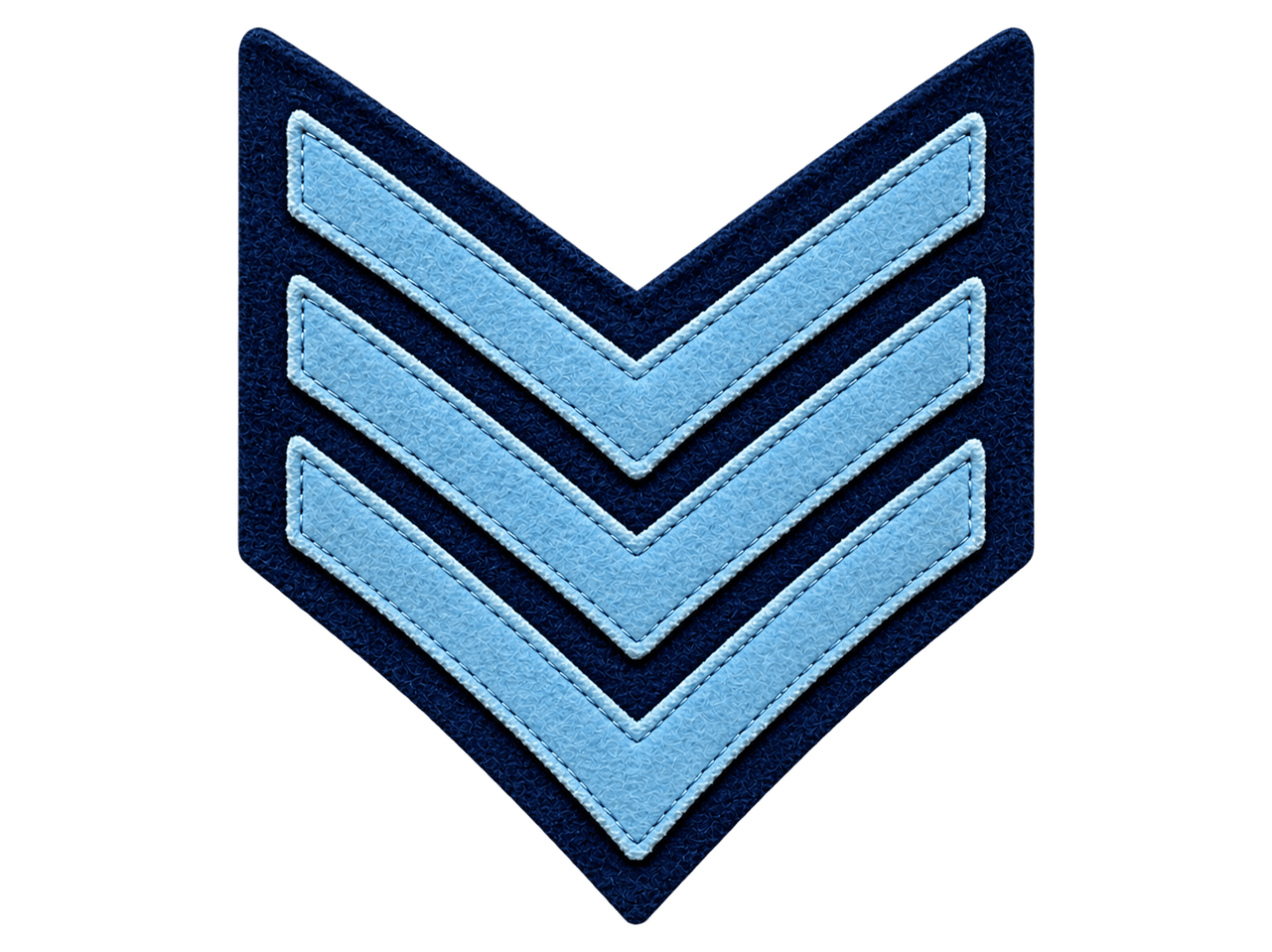
Charles S. Fall was a United States Army soldier and American Civil War veteran whose name became permanently associated with one of the fiercest moments of the Battle of Spotsylvania Court House. He was born in 1842 in Noble County, Indiana, later entered military service from Hamburg, Michigan, and served in Company E of the 26th Michigan Infantry. His highest verified military rank was Sergeant, which was also the rank he held when he performed the action that eventually earned him the Medal of Honor. The 26th Michigan Infantry was organized at Jackson, Michigan, and mustered into Federal service on December 12, 1862. The regiment initially performed duties around Washington and Alexandria before later serving in Virginia and New York. By the autumn of 1863 it had joined the Army of the Potomac and became part of the II Corps. Its subsequent service placed the regiment in some of the most intense campaigns of the final two years of the Civil War. Fall served with Company E and was associated with Hamburg, Michigan. By the spring of 1864 he was serving as a Sergeant as Lieutenant General Ulysses S. Grant began the Overland Campaign against General Robert E. Lee's Army of Northern Virginia. The 26th Michigan fought with the Army of the Potomac as Union forces moved through the Wilderness and then toward Spotsylvania Court House. The fighting around Spotsylvania began in early May 1864 and quickly developed into a prolonged struggle against heavily fortified Confederate positions. One of the most important sections of the Confederate defensive line was a large projecting salient commonly known as the Mule Shoe. Its shape created both tactical advantages and serious vulnerabilities, and Grant eventually ordered a massive Union assault against it. Before dawn on May 12, 1864, thousands of Union soldiers prepared to attack the Confederate works. The 26th Michigan was serving with the II Corps as part of the force committed to the assault. The resulting combat became associated with the famous Bloody Angle, where Union and Confederate soldiers fought at extremely close range around defensive earthworks. It was during this assault that Sergeant Charles S. Fall performed the deed for which he would eventually receive the Medal of Honor. Fall was among the first soldiers to mount the Confederate works. Once inside the defensive position, he bayoneted two Confederate soldiers and captured a Confederate flag. Rather than stopping to secure the captured color as a trophy, he discarded it so that he could continue pursuing the retreating enemy. The capture of an enemy flag had enormous significance during the Civil War. Regimental colors were more than ceremonial objects. Amid battlefield smoke, noise, and confusion, soldiers relied on their flags to locate their units and maintain formation. A regiment's colors represented its identity and honor, and defending them often became a matter of intense pride. Because the flags were highly visible, the soldiers carrying them were exposed to exceptional danger. Capturing an enemy color generally meant penetrating deeply into an opposing formation or defensive position. For this reason, numerous Civil War Medal of Honor actions involved either protecting one's own colors or capturing those of the enemy. Fall's action was particularly notable because he did not merely recover an abandoned flag. He reached the Confederate works among the first attackers, fought enemy soldiers at close quarters, captured their colors, and then continued forward with the assault rather than withdrawing with the trophy. The fighting on May 12 became one of the most violent episodes of the Overland Campaign. Union troops initially broke into the Confederate salient and captured large numbers of defenders, but Confederate forces launched determined counterattacks. Combat continued for hours around the earthworks, often at extremely short range. The 26th Michigan continued serving through the Overland Campaign. Its regimental history included operations at North Anna, Totopotomoy, Cold Harbor, Petersburg, and later the final Appomattox Campaign. The regiment remained in service through the closing stages of the war and was mustered out on June 4, 1865. Fall survived the war, but national recognition for his actions at Spotsylvania did not come immediately. More than thirty years passed before the United States formally awarded him the Medal of Honor. On May 13, 1899, Charles S. Fall received the Medal of Honor for his actions at Spotsylvania Court House on May 12, 1864. The award was made during his lifetime and was not posthumous. The Medal of Honor had been authorized for the United States Army during the Civil War in 1862. Fall's qualifying act of heroism occurred during that Civil War period, and under the project's established historical database convention his decoration is classified as Medal of Honor 1862–1895 Army. The 1899 date represents the date on which his Medal of Honor was formally awarded, not the historical classification of the heroic action itself. His qualifying action remained the assault at Spotsylvania Court House on May 12, 1864. No additional star, clasp, bar, oak leaf cluster, or other separate device has been verified for Fall's Medal of Honor. His decoration therefore appears without any additional device or clasp. Fall lived for more than half a century after the Civil War. The surviving military record preserves far more detail about his wartime service and Medal of Honor action than about many aspects of his later civilian life. What is firmly established is that he lived long enough to see his Civil War heroism officially recognized. The Medal of Honor awarded to him in 1899 commemorated an act he had performed thirty-five years earlier as a Sergeant in Company E of the 26th Michigan Infantry. Fall died on June 4, 1918, in Pasadena, California. His life extended more than fifty years beyond the end of the Civil War, but his enduring military reputation remained centered on the events of May 12, 1864. Charles S. Fall's legacy rests on his conduct during the assault at Spotsylvania Court House. He reached the Confederate defenses among the first attackers, fought at close quarters, captured an enemy flag, and continued the pursuit rather than leaving the battlefield with his trophy. Thirty-five years later, the United States formally recognized that courage by awarding him the Medal of Honor. Charles S. Fall is remembered as a United States Army Sergeant of Company E, 26th Michigan Infantry, a veteran of the American Civil War, a participant in the Battle of Spotsylvania Court House, and a Medal of Honor recipient whose actions during the assault of May 12, 1864 secured his permanent place in American military history.
Become the named supporter for this profile and edit the tribute biography and portrait (Owner account required). Proceeds help keep the archive online.
$25 USD / year — annual sponsorship renewal. Keeps the page online and, where enabled, the family anniversary remembrance emails active.
