★
Loading archive…
Loading archive…
Six Volunteers Against the Sharpshooters at Gettysburg
Chester S. Furman was a Union Army soldier who received the Medal of Honor for extraordinary bravery during the American Civil War. Serving as a Corporal in Company A of the 6th Pennsylvania Reserves, Furman distinguished himself at the Battle of Gettysburg, Pennsylvania, on July 2, 1863. He was one of six volunteers who charged a log house near Devil's Den, where Confederate sharpshooters had taken shelter, and forced the enemy soldiers to surrender. His courage was formally recognized with the Medal of Honor on August 3, 1897.
Furman was born on February 14, 1842. Although historical accounts differ concerning his birthplace, his military service is closely associated with Pennsylvania, where he entered the Union Army during the opening months of the Civil War.
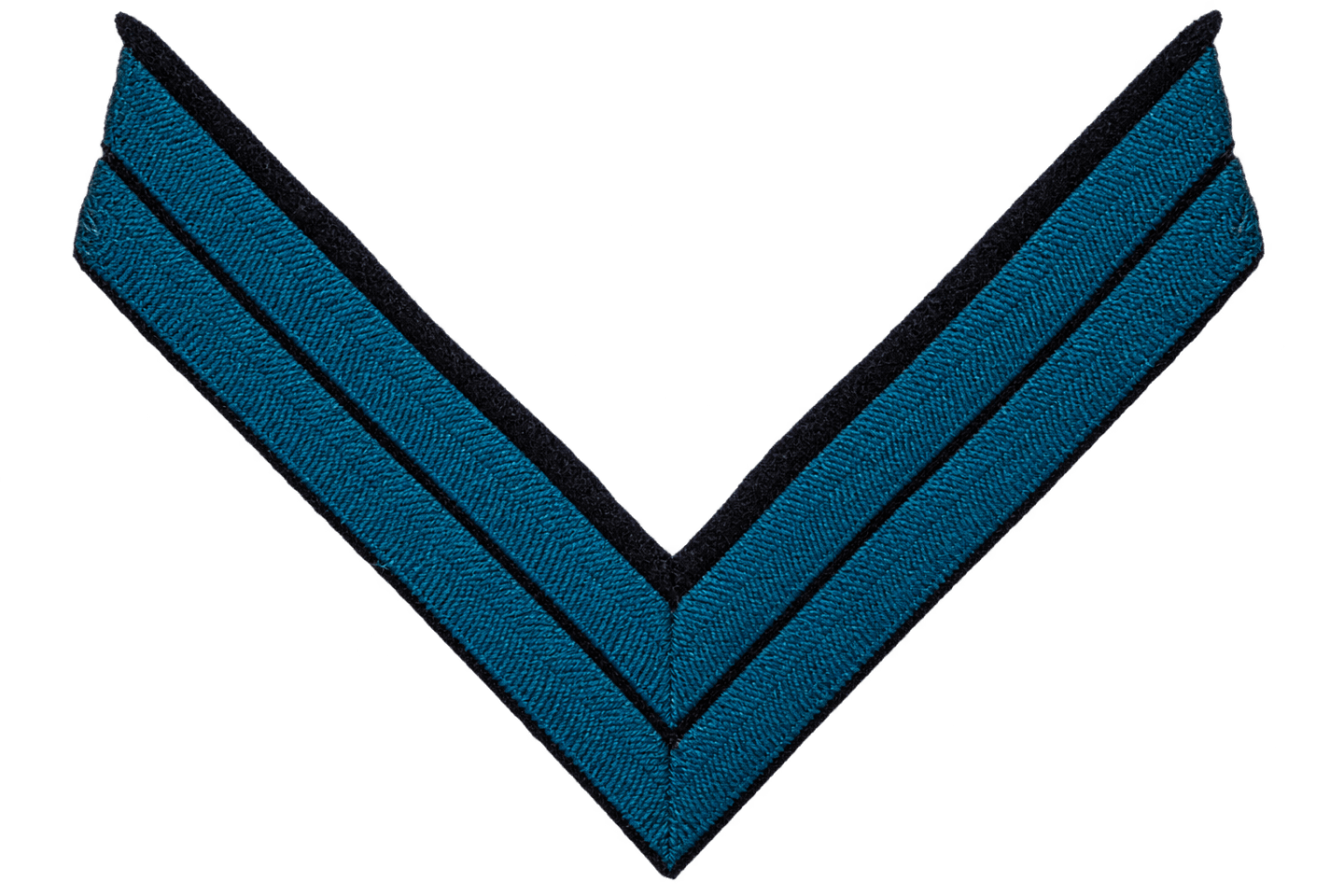
In July 1861, Furman joined the 6th Pennsylvania Reserves, an infantry regiment organized as part of Pennsylvania's volunteer contribution to the Union war effort. He served in Company A and eventually held the rank of Corporal.
The Pennsylvania Reserves became an important part of the Union Army's operations in the Eastern Theater. The soldiers participated in campaigns against Confederate forces in Virginia and Maryland, experiencing the hardships of extended military service.
The 6th Pennsylvania Reserves served during the major campaigns of 1862, including operations on the Virginia Peninsula and subsequent fighting involving the Army of the Potomac. The regiment's experience prepared its soldiers for further engagements as the war continued into 1863.
By the summer of 1863, Confederate General Robert E. Lee had led the Army of Northern Virginia into Pennsylvania. Union forces under Major General George G. Meade moved to confront the invasion, bringing the opposing armies together near Gettysburg.
The Battle of Gettysburg began on July 1, 1863, and developed into one of the largest and most consequential engagements of the American Civil War.
On July 2, Confederate forces launched major attacks against the Union Army's left flank. Intense fighting developed around Devil's Den, the Wheatfield, the Peach Orchard, and Little Round Top.
Devil's Den was a rocky area south of Gettysburg where boulders, uneven terrain, and natural cover shaped the fighting. The surrounding ground provided positions from which soldiers could fire at opposing troops.
Furman was serving with Company A of the 6th Pennsylvania Reserves during this phase of the battle.
Near Devil's Den, a group of Confederate sharpshooters occupied a log house that provided shelter while they fired upon Union troops.
The enemy position presented a dangerous challenge. Sharpshooters operating from cover could threaten exposed soldiers and interfere with movement across the surrounding battlefield.
A small volunteer party was organized to confront the Confederate soldiers occupying the structure.
Chester S. Furman was one of six men who volunteered for the assignment.
Rather than remaining in their existing position, the six soldiers advanced directly toward the log house where the Confederate sharpshooters had taken shelter.
The volunteers charged the enemy position despite the danger presented by the armed soldiers inside.
Their advance succeeded.
The Confederate sharpshooters were compelled to surrender, ending the immediate threat posed by the men occupying the log house.
Furman's participation in the charge became the defining action of his military career.
The official Medal of Honor citation identifies him as one of the six volunteers who attacked the log house near Devil's Den and forced the surrender of the enemy sharpshooters.
The citation does not provide a detailed account of each volunteer's individual movements or identify which man first reached the structure. It recognizes Furman's participation in the successful collective action.
The incident demonstrated the courage required to approach an occupied enemy position during active combat. The volunteers accepted the danger of advancing toward soldiers who were already sheltered and prepared to fire.
Their success depended on confronting the threat directly rather than remaining under fire from the Confederate position.
The fighting around Devil's Den continued as part of the larger battle for the Union left flank. Confederate and Union forces suffered heavy casualties while struggling to control the surrounding terrain.
Gettysburg's second day ended without Confederate forces achieving a decisive breakthrough against the Union Army.
On July 3, further fighting culminated in the failed Confederate assault remembered as Pickett's Charge. Lee's army subsequently withdrew from Pennsylvania, bringing the Gettysburg Campaign to an end.
The Union victory at Gettysburg marked an important turning point in the war's Eastern Theater.
For Furman, however, the battle's lasting personal significance was his participation in the volunteer charge against the sharpshooters near Devil's Den.
His military service continued after Gettysburg.
In October 1863, Furman transferred to the United States Army Signal Corps. This assignment represented a later stage of his wartime service, separate from the infantry action that earned him the Medal of Honor.
The Signal Corps supported military operations through communications and observation, helping commanders transmit information and coordinate movements.
Furman's documented association with the Signal Corps illustrates that his Civil War service extended beyond his initial assignment to the Pennsylvania Reserves.
More than thirty-four years after the Battle of Gettysburg, his bravery received formal national recognition.
On August 3, 1897, Chester S. Furman was presented with the Medal of Honor for his actions on July 2, 1863.
The award recognized his courage as a Corporal in Company A of the 6th Pennsylvania Reserves and his participation in the successful charge against Confederate sharpshooters.
The long interval between the battlefield action and the presentation did not alter the circumstances of his achievement. His Medal of Honor remained directly connected to his service during the second day of the Battle of Gettysburg.
The recognition preserved the account of a small group of Union soldiers who volunteered to confront an enemy position and compelled its defenders to surrender.
Historical records provide limited information concerning Furman's civilian occupation, family life, and activities during the decades following the Civil War.
Chester S. Furman died on July 22, 1910, at the age of 68.
He was buried at Old Rosemont Cemetery in Bloomsburg, Pennsylvania, where his grave commemorates his military service and Medal of Honor recognition.
Furman's legacy remains closely connected to the Battle of Gettysburg and the courage of the six volunteers who advanced against the Confederate sharpshooters near Devil's Den.
Serving as a Corporal in the 6th Pennsylvania Reserves, he participated in a dangerous charge that resulted in the surrender of the enemy soldiers holding the log house.
His actions on July 2, 1863, earned him the Medal of Honor, presented on August 3, 1897, and secured his place among the Union soldiers recognized for extraordinary bravery during the American Civil War.
Chester S. Furman is remembered for his willingness to volunteer for a hazardous battlefield mission and for the courage he demonstrated during one of the most significant battles in American history.
Become the named supporter for this profile and edit the tribute biography and portrait (Owner account required). Proceeds help keep the archive online.
$25 USD / year — annual sponsorship renewal. Keeps the page online and, where enabled, the family anniversary remembrance emails active.
