★
Loading archive…
Loading archive…
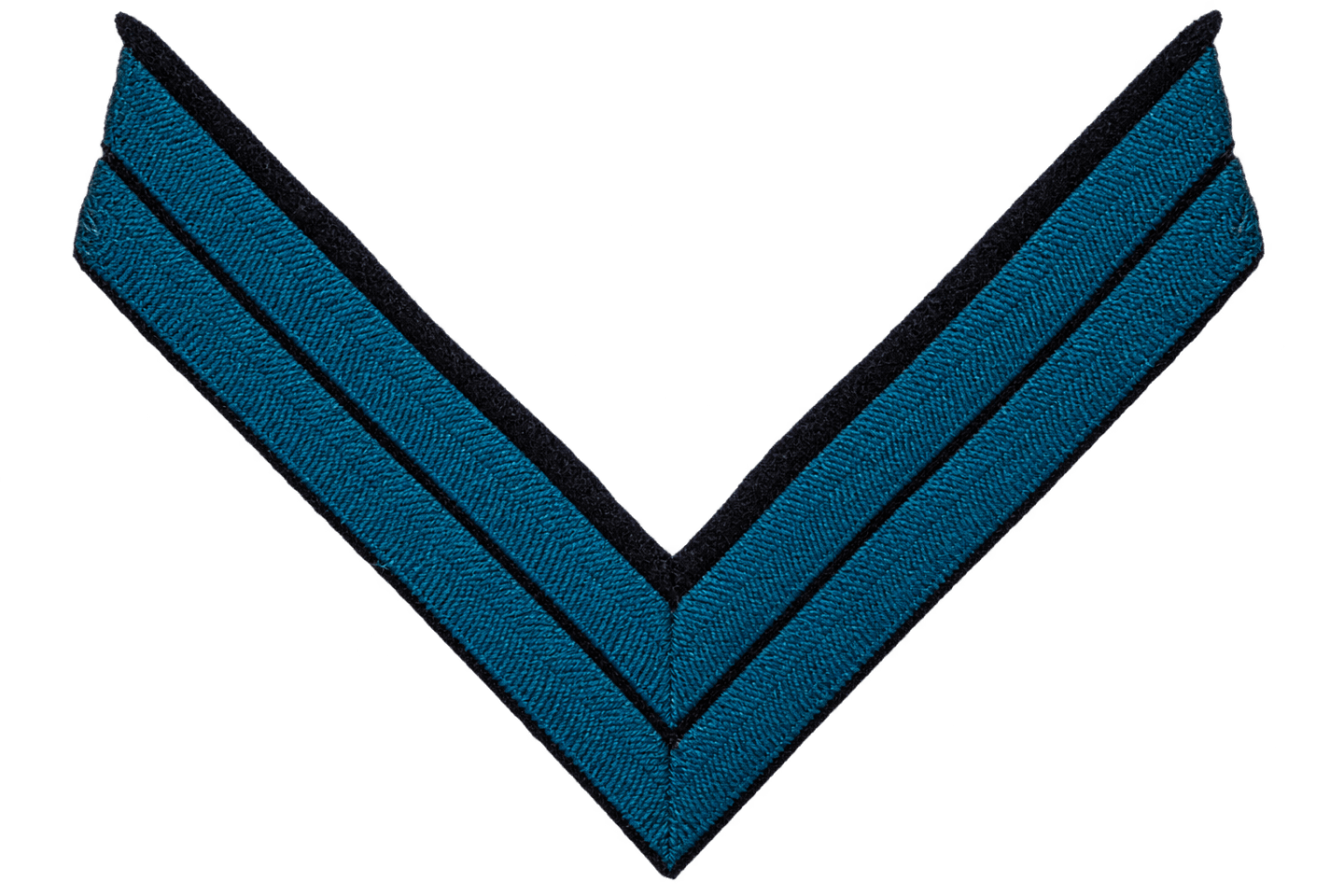
Christian Schnell was born on February 19, 1838, in Virginia, United States. By the beginning of the American Civil War, his life had become closely associated with Wapakoneta, Ohio, the community to which his military service was later officially accredited. Schnell served in the United States Army as a Corporal in Company C, 37th Ohio Infantry. His verified Medal of Honor records consistently identify his rank as Corporal, and no higher military rank has been securely established for him.
The 37th Ohio Infantry became part of the Union forces operating against Vicksburg, Mississippi, one of the most important Confederate strongholds on the Mississippi River. The capture of Vicksburg was a major Union objective because control of the city would help open the Mississippi River and divide the Confederacy geographically.
By May 1863, Union forces under Major General Ulysses S. Grant had closed in on Vicksburg. After an unsuccessful assault on May 19, Grant ordered another major attack for May 22. Union troops advanced against powerful Confederate earthworks and defensive positions that dominated the surrounding approaches.
Christian Schnell took part in this assault as a member of a volunteer storming party.
The men selected for these advance parties faced especially dangerous responsibilities. They were expected to move ahead of the main attacking force, approach fortified enemy positions, and help clear obstacles or create opportunities for the infantry following behind them.
Schnell’s Medal of Honor citation specifically recognized his gallantry in the charge of the volunteer storming party.
This placed him among the soldiers who deliberately moved into one of the most dangerous sectors of the Vicksburg assault.
The attack of May 22 was extremely costly.
Union soldiers advanced across exposed ground against entrenched Confederate defenders and sustained severe casualties. Although portions of the Confederate defenses were temporarily reached or penetrated, the broader assault failed to break the Vicksburg line.
The failure of the frontal assaults convinced Grant to rely increasingly on siege operations.
Union forces surrounded the city, cut supply routes, and steadily increased pressure on the defenders.
Vicksburg eventually surrendered on July 4, 1863.
The victory became one of the most strategically important Union successes of the Civil War because it strengthened Federal control of the Mississippi River and divided the Confederacy.
Schnell’s heroic action therefore took place during a campaign that had enormous importance for the overall outcome of the war.
His courage on May 22 was eventually recognized with the Medal of Honor.
The Medal of Honor had been established during the Civil War as the highest national military decoration for extraordinary gallantry and distinguished conduct.
For Army personnel, the award became the most prestigious recognition available for exceptional courage in combat.
Schnell did not receive the medal immediately after Vicksburg.
His Medal of Honor was presented on July 10, 1894, more than thirty years after the action.
Such delayed recognition was not unusual among Civil War Medal of Honor recipients.
Many wartime acts of gallantry were reviewed long after the conflict through official military records, recommendations, and supporting evidence.
The correct historical decoration for Schnell’s profile is Medal of Honor 1862–1895 Army.
His heroic action occurred in 1863, and his medal was presented in 1894, which still falls within the 1862–1895 Army design period used for this project.
No verified clasp, service star, oak leaf cluster, bar, or other device is associated with his Medal of Honor.
His final verified medal rack should therefore display the Medal of Honor without any additional device.
For the database, Schnell’s military identity should remain straightforward.
His branch was the United States Army.
His rank at the Medal of Honor action was Corporal.
His highest verified rank is also Corporal.
His unit was Company C, 37th Ohio Infantry.
His combat specialization was Infantry, and his heroic action occurred during direct ground combat.
Schnell survived the Civil War and lived for more than four decades after the Vicksburg Campaign.
He also lived long enough to personally receive the Medal of Honor that recognized his wartime gallantry.
His presentation in 1894 formally connected his name with the volunteer storming party at Vicksburg and ensured that his action would remain part of the official history of the campaign.
His association with Wapakoneta remained an important part of his historical identity.
Official Medal of Honor records credit him to Wapakoneta, Auglaize County, Ohio.
He died on December 14, 1908, at the age of seventy.
He was buried in Greenlawn Cemetery in Wapakoneta, where his grave preserves his connection with the community and his status as a Civil War Medal of Honor recipient.
An important correction is required regarding his medal history.
Although Schnell clearly performed qualifying Civil War service and was still alive when the Army Civil War Campaign Medal was established in 1907, recipient-specific evidence proving that he personally received or was formally issued that campaign medal has not been verified.
Under the current research standard, qualifying service alone does not establish entitlement.
For that reason, the Civil War Campaign Medal should not be included in his final verified medal rack.
His final verified medal count therefore remains one.
That single decoration, however, is the highest military honor of the United States.
Schnell’s Medal of Honor represents a specific act of courage performed on May 22, 1863, during one of the most dangerous assaults of the Vicksburg Campaign.
His historical importance does not depend on a large collection of medals.
It rests on the fact that he volunteered to move forward with the storming party and demonstrated gallantry while attacking heavily fortified Confederate positions.
For his final hero profile, the essential facts are clear.
Christian Schnell served in the United States Army as a Corporal in Company C, 37th Ohio Infantry.
On May 22, 1863, during the Union assault at Vicksburg, Mississippi, he distinguished himself through gallantry in the charge of the volunteer storming party.
His Medal of Honor was presented on July 10, 1894.
His correct verified decoration is Medal of Honor 1862–1895 Army, with no verified device or clasp.
Christian Schnell should ultimately be remembered as a Union infantry soldier whose courage during the assault on Vicksburg placed him among the recognized heroes of the American Civil War.
The Medal of Honor remains the defining symbol of his military service and preserves his connection with one of the most important campaigns of the conflict.
Become the named supporter for this profile and edit the tribute biography and portrait (Owner account required). Proceeds help keep the archive online.
$25 USD / year — annual sponsorship renewal. Keeps the page online and, where enabled, the family anniversary remembrance emails active.