★
Loading archive…
Loading archive…
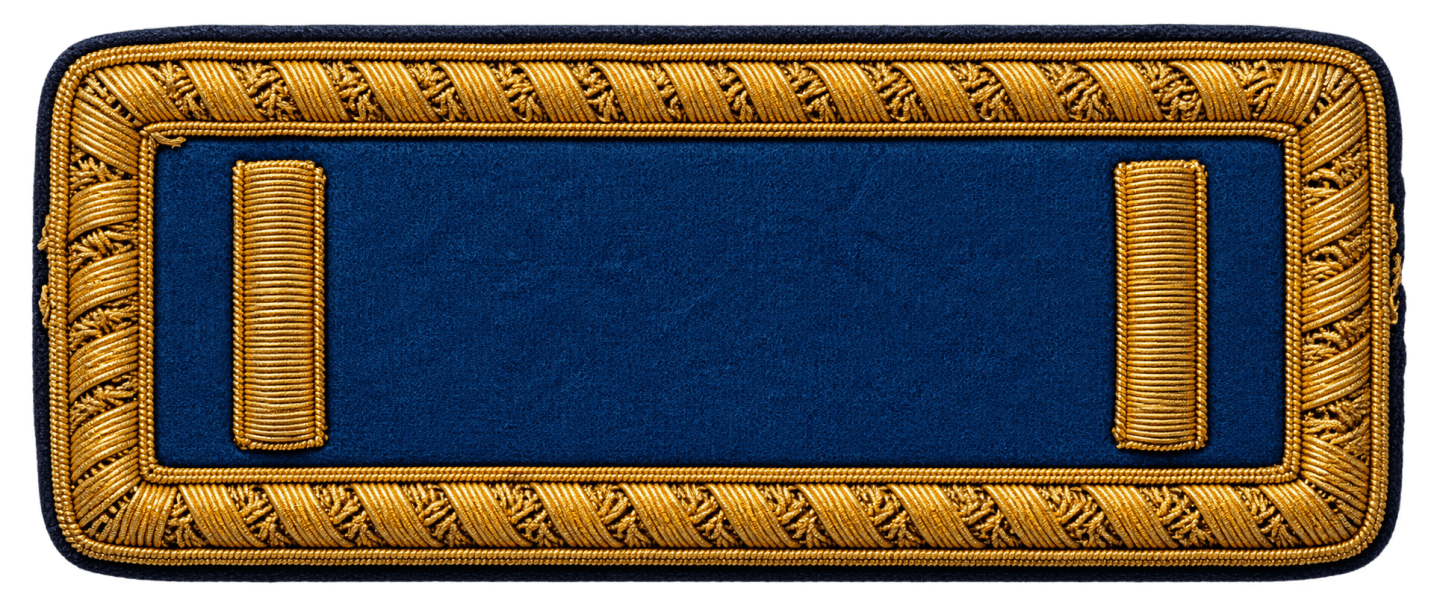
Cyrus Sears was an American soldier and artillery officer who served in the Union Army during the American Civil War and later became a recipient of the Medal of Honor. He served with the 11th Ohio Independent Battery, also known as the 11th Battery, Ohio Light Artillery, and his wartime career was closely connected with some of the hardest fighting in the Western Theater of the war. During the Civil War, artillery units played a critical role on the battlefield. Field batteries supported infantry formations, defended positions, broke up enemy attacks, and provided long-range fire against opposing troops and artillery. Artillery officers had to remain calm under intense pressure, direct gun crews, manage ammunition, choose firing positions, and continue operating even when enemy fire caused severe casualties. Cyrus Sears served as a First Lieutenant in the 11th Ohio Light Artillery. His role placed him in direct responsibility for the operation and effectiveness of the battery during combat. Artillery officers were often exposed to the same dangers as the soldiers manning the guns because they had to remain close enough to direct fire and maintain control of the battery during rapidly changing battlefield conditions. Sears became especially distinguished during the Battle of Iuka, Mississippi, on September 19, 1862. The battle was part of Union efforts to prevent Confederate forces from strengthening their position in northern Mississippi and threatening Union control of important transportation routes. Union and Confederate forces collided in fierce fighting near the town of Iuka, resulting in a violent and confused engagement. The 11th Ohio Battery was heavily engaged during the battle. Confederate infantry attacked aggressively, and the battery came under intense pressure. Artillery positions were particularly vulnerable when enemy infantry managed to approach within close range, because the guns and crews could become exposed to musket fire and direct assault. During the fighting, Sears displayed extraordinary courage while helping defend his artillery position. The battery suffered severe losses, with many men killed or wounded and horses and equipment damaged. Despite the danger and confusion, Sears continued to perform his duties and remained engaged in the defense of the guns. His actions during the Battle of Iuka became the defining moment of his military career. Sears was later recognized for gallantry in action, and his conduct was considered sufficiently distinguished to merit the Medal of Honor, the highest military decoration of the United States. For his bravery at Iuka on September 19, 1862, Cyrus Sears was awarded the Medal of Honor. His award recognized his exceptional conduct while serving as First Lieutenant of the 11th Ohio Light Artillery during one of the most intense artillery engagements of the campaign. The historically appropriate decoration for Sears is the Medal of Honor 1862–1895 Army. This version belongs to the earliest period of the Army Medal of Honor and is the correct historical form for a Union Army soldier whose qualifying action took place during the Civil War. The Army Medal of Honor was authorized by Congress in 1862. At that time, the United States did not yet have the broad system of military decorations that would later be developed, so the Medal of Honor became the principal national award used to recognize extraordinary gallantry and distinguished service in combat. The early Army Medal of Honor featured a five-pointed star and a central allegorical design associated with Minerva, a figure representing wisdom, strength, and the Union. The medal’s appearance changed in later years, but the 1862–1895 version is historically associated with Civil War recipients such as Cyrus Sears. Sears’s Medal of Honor is particularly significant because artillery combat during the Civil War could be extremely destructive. Gun crews were often targeted by enemy artillery and infantry because disabling a battery could dramatically change the course of a battle. Men serving around the guns worked in smoke, noise, heat, and confusion while handling heavy ammunition and operating weapons under constant danger. As a First Lieutenant, Sears was responsible not only for his own safety but also for maintaining the effectiveness of his battery. Leadership under fire required him to help direct men, keep the guns functioning, and prevent panic when casualties mounted. His recognized courage at Iuka demonstrates the importance of artillery leadership in Civil War combat. The Battle of Iuka was part of a broader struggle for control of northern Mississippi. Union commanders sought to stop Confederate forces from coordinating larger operations in the region, while Confederate commanders hoped to regain the initiative. Although the battle was relatively short, it was intense and costly. The 11th Ohio Light Artillery suffered particularly heavily during the engagement. The severity of the fighting and the battery’s losses made the conduct of its surviving officers and soldiers especially notable. Sears’s role during this battle ensured that his name would remain associated with one of the regiment’s most important actions. After Iuka, Sears continued his military service. His experience as an artillery officer and his demonstrated courage under fire formed an important part of his wartime record. Although his Medal of Honor action is the best-known episode of his career, his broader service reflected the daily demands placed on officers serving in active field artillery units. His later military career eventually brought him to higher rank. Sears ultimately attained the rank of Colonel, but for his Medal of Honor profile, the correct action rank remains First Lieutenant because that was the rank he held during the battle for which he received the decoration. The Medal of Honor remained the defining military decoration associated with Cyrus Sears. For the final hero profile, the confirmed award is the Medal of Honor 1862–1895 Army, with no verified device or clasp attached to it. No other campaign medal should be automatically added simply because Sears served during the Civil War. Later-created campaign decorations should only be included when individual entitlement can be directly verified. His Medal of Honor, however, is fully documented and represents the central award of his military service. Sears’s story is an important example of the role played by artillery officers during the Civil War. Infantry actions often receive greater attention in historical narratives, but artillery units could determine whether a position held or collapsed. The courage required to remain with the guns under direct attack was considerable. His service also shows how leadership at relatively junior officer level could have a major impact on battlefield performance. A First Lieutenant might not command an entire regiment or brigade, but within an artillery battery he could be responsible for critical decisions affecting both the survival of his men and the continued operation of the guns. The Medal of Honor recognition ensured that Sears’s bravery would be preserved in the historical record. Like many Civil War Medal of Honor recipients, his citation was concise by modern standards, but the award itself represented the highest level of national recognition available to an American soldier. Cyrus Sears remained connected with the generation of soldiers whose service helped establish the early traditions of the Medal of Honor. His award came from a period when the decoration was still new, and Civil War recipients formed the foundation of the Medal of Honor tradition that continued into later conflicts. His military legacy is therefore closely tied to three key elements: his service in the Union Army, his role as a First Lieutenant in the 11th Ohio Light Artillery, and his gallantry at the Battle of Iuka on September 19, 1862. The battle demonstrated the extreme danger faced by artillerymen, and Sears’s conduct during the fighting earned him a permanent place among the recognized heroes of the Civil War. His ability to remain effective under severe pressure reflected both personal bravery and professional military responsibility. In later years, the Medal of Honor became increasingly formalized as the United States developed a broader system of military decorations. Sears’s award remained part of the earliest generation of recipients and represented the original Civil War-era tradition of recognizing extraordinary valor. Cyrus Sears’s legacy rests on the courage he displayed in one of the fiercest moments of the Battle of Iuka. While serving as First Lieutenant of the 11th Ohio Light Artillery, he remained at his post under intense combat conditions and helped sustain the battery during a dangerous Confederate attack. For that bravery, he received the Medal of Honor 1862–1895 Army. The decoration remains the clearest symbol of his military service and preserves his place in the history of the United States Army, the Union war effort, and the early tradition of the nation’s highest award for military valor.
Become the named supporter for this profile and edit the tribute biography and portrait (Owner account required). Proceeds help keep the archive online.
$25 USD / year — annual sponsorship renewal. Keeps the page online and, where enabled, the family anniversary remembrance emails active.
