★
Loading archive…
Loading archive…

Lieutenant, British Army
Support & adopt this hero ↓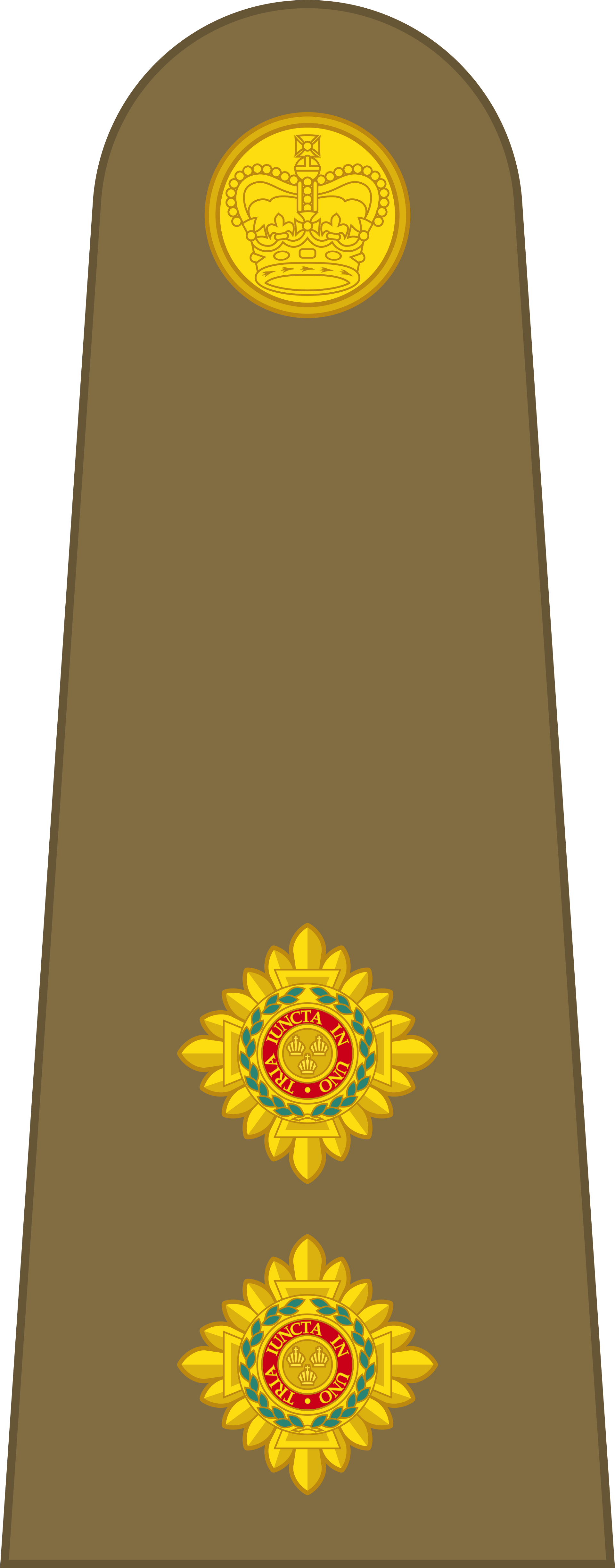
He drove his gun team through fire to reach the firing line.
David Stuart Mc Gregor was born in Edinburgh on 16 October 1895. Educated at George Watson's College and George Heriot's School, he entered the Commercial Bank of Scotland as an apprentice in 1911. In 1913 he joined the Territorial Royal Field Artillery. He was commissioned into the 6th Royal Scots in October 1915 and reached France in May 1916 after his battalion was diverted from a proposed deployment to Egypt.
After serving on the Somme, Mc Gregor volunteered for machine-gun work. Following training, he was attached to the 29th Battalion, Machine Gun Corps. He became a lieutenant in May 1917.
On 22 October 1918, near Hoogemolen in Belgium, enemy machine-gun fire from Hill 66 threatened to halt the infantry advance. Mc Gregor was commanding a section of guns supporting the right-flank platoon. He went forward to examine the ground, then took a gun team across the exposed area on a limber. The horses and driver were hit, but he brought the gun into action and supported the infantry.
He continued directing his section and moving between guns under fire. His leadership enabled the advance to continue, but he was killed during the action. His Victoria Cross was awarded posthumously.
Mc Gregor was twenty-three. He was buried at Staceghem Communal Cemetery near Harelbeke. King George V presented the decoration to his parents at Buckingham Palace on 15 February 1919. His wartime campaign awards were the British War Medal and Victory Medal.
Official Victoria Cross citation
For most conspicuous bravery and devotion to duty near Hoogmolen on 22nd of October, 1918, when in command of a section of machine guns attached to the right flank platoon of the assaulting battalion. Immediately the troops advanced they were subjected to intense enfilade machine-gun fire from Hill 66 on the right flank. Lt. McGregor fearlessly went forward and located the enemy guns, and realised that it was impossible to get his guns carried forward either by pack or by hand without great delay, as the ground was absolutely bare and fire-swept. Ordering his men to follow by a more covered route, he mounted the limber and galloped forward under intense fire for about 600 yards to cover. The driver, horses and limber were all hit, but Lt. McGregor succeeded in getting the guns into action, effectively engaging the enemy, subduing their fire and enabling the advance to be resumed. With the utmost gallantry he continued to expose himself in order to direct and control the fire of his guns, until, about an hour later, he was killed. His great gallantry and supreme devotion to duty were the admiration of all ranks.
Second Supplement to The London Gazette of 13 December 1918. 14 December 1918, Numb. 31067, p. 14774
Become the named supporter for this profile and edit the tribute biography and portrait (Owner account required). Proceeds help keep the archive online.
$25 USD / year — annual sponsorship renewal. Keeps the page online and, where enabled, the family anniversary remembrance emails active.