★
Loading archive…
Loading archive…
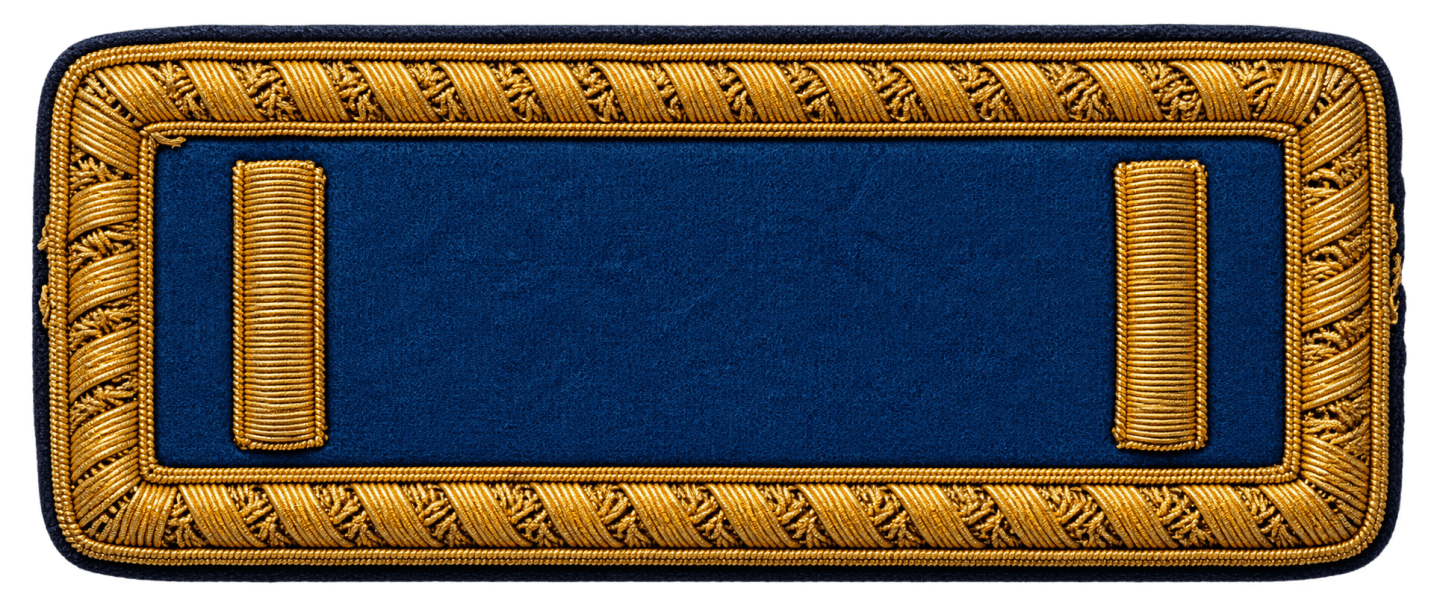
Denis John Francis Murphy was a Union Army soldier during the American Civil War whose courage at the Battle of Corinth earned him the Medal of Honor. He served in Company F, 14th Wisconsin Infantry, and his military record is defined by his bravery as a Sergeant, his repeated wounding under fire, his later advancement to First Lieutenant, and his continued service during one of the most difficult periods of the war. Murphy’s Medal of Honor action took place on October 3, 1862, during the Battle of Corinth in Mississippi. Corinth was strategically important because it sat at the junction of major railroad lines that were vital to military movement and supply. Both Union and Confederate commanders understood its importance, and the resulting battle was intense and costly. At the time of the battle, Denis Murphy held the rank of Sergeant. As a Sergeant in an infantry regiment, he had responsibilities beyond those of an ordinary enlisted soldier. He was expected to help maintain discipline, direct men in formation, carry out orders from officers, and provide leadership during combat. Murphy’s conduct at Corinth became especially notable because he continued to carry the regimental colors even after being wounded. During Civil War combat, the colors served as the visual center of a regiment. Soldiers used the flag to identify their unit, maintain formation, and rally during confusion. Because the colors were so important, color bearers were often exposed to some of the most dangerous fire on the battlefield. Enemy troops understood the symbolic and practical importance of the flag, so men carrying the colors were frequently targeted. Murphy was wounded during the fighting but continued to carry the colors. He was wounded again and still remained at his duty. He was ultimately wounded a third time. Despite suffering three wounds, Murphy continued to hold and protect the regimental colors. His determination under fire represented extraordinary personal courage and devotion to duty. For this action at Corinth, Murphy was awarded the Medal of Honor. The correct historical version associated with his award is the Medal of Honor 1862–1895 Army. The Army Medal of Honor had been authorized during the Civil War and became the highest military decoration available to Union soldiers for exceptional gallantry and distinguished conduct. The early Army Medal of Honor featured the distinctive five-pointed star design used during the nineteenth century. Its imagery represented the Union, victory, and the defeat of discord. Because Murphy’s action occurred in 1862 while he was serving in the United States Army, the Medal of Honor 1862–1895 Army is the correct version for his profile. No verified device or clasp is associated with his Medal of Honor. Murphy’s action rank was Sergeant. This is the rank that should be used when describing the heroic event that earned him the Medal of Honor. Later in his military career, Murphy advanced to First Lieutenant. This promotion represented a significant step from noncommissioned officer to commissioned officer. As a First Lieutenant, Murphy would have carried greater responsibility for command, discipline, troop movement, and leadership within his unit. The progression from Sergeant to First Lieutenant shows that his military career continued beyond the single act for which he became famous. His highest confirmed rank was First Lieutenant. For the hero profile, however, the correct Medal of Honor action rank remains Sergeant. Murphy’s combat specialization was Infantry. His service in Company F, 14th Wisconsin Infantry, and his Medal of Honor action at Corinth clearly place him within front-line infantry combat. The correct Combat Achievement Modifier for his profile is therefore Infantry. The Battle of Corinth was a major engagement in the Western Theater of the Civil War. Union forces were defending Corinth against a determined Confederate attack. The fighting was severe, with repeated assaults, artillery fire, and close combat. Murphy’s regiment was exposed to the full intensity of this battle. His role as a color bearer placed him in constant danger. The regimental flag was not simply a ceremonial object. It was a battlefield tool that soldiers relied on for orientation and morale. If the colors fell, the unit could become disorganized. For this reason, soldiers were often willing to risk their lives to keep the flag visible. Murphy did exactly that. Even after being wounded multiple times, he continued to carry the colors and remained with his regiment. This persistence is what made his action so remarkable. Murphy’s Medal of Honor recognition preserved that moment in the official military record. The decoration became the defining award of his service. His medal history must also be considered carefully under the client’s current Civil War medal rules. Murphy was a United States Army Civil War veteran. However, he died on June 19, 1901. The Army Civil War Campaign Medal was established later, in 1907. Because Murphy died before that medal was created, it should not be included in his final medal record under the current workflow. For that reason, his final confirmed decoration is the Medal of Honor 1862–1895 Army only. This does not reduce the importance of his Civil War service. It simply means that the later Civil War Campaign Medal should not be added to his profile. Murphy’s Medal of Honor stands as the official and historically confirmed decoration associated with his military record. His service at Corinth also demonstrates the role of noncommissioned officers during Civil War battles. Sergeants were essential to keeping units organized under fire. They transmitted orders, maintained formations, and often led soldiers directly in dangerous situations. Murphy’s willingness to continue carrying the colors despite repeated wounds reflects the leadership expected of a Sergeant. His later promotion to First Lieutenant further supports the view that he was regarded as a capable and dependable soldier. The move from enlisted leadership to commissioned rank was a major advancement. It showed that his service extended beyond one heroic action and that he continued to develop as a military leader. Murphy’s story is also significant because it highlights the extraordinary dangers faced by color bearers. In Civil War combat, the men carrying the flags were among the most visible individuals on the battlefield. They had little ability to hide or seek cover because the colors had to remain visible to the regiment. As a result, they often suffered extremely high casualty rates. Murphy’s survival after being wounded three times makes his actions even more remarkable. His determination to remain at duty despite his injuries became the central reason for his recognition. The Medal of Honor 1862–1895 Army preserves that story. Murphy should ultimately be remembered as a Union Army Sergeant who demonstrated extraordinary courage at the Battle of Corinth. His repeated wounding did not stop him from carrying the regimental colors. His refusal to abandon his duty under fire made him one of the recognized heroes of the battle. His later advancement to First Lieutenant added another important chapter to his military career. For his final hero profile, the key facts are clear. Denis John Francis Murphy served in the United States Army. His Medal of Honor action rank was Sergeant. His highest confirmed rank was First Lieutenant. His combat specialty was Infantry. His final confirmed medal was the Medal of Honor 1862–1895 Army, with no device or clasp. The Army Civil War Campaign Medal should not be included because Murphy died in 1901, before that medal was established. Denis Murphy’s legacy rests on courage, endurance, and leadership under fire. At Corinth on October 3, 1862, he continued carrying the colors after being wounded once, then twice, and then a third time. That extraordinary determination earned him the Medal of Honor and secured his place in the history of the 14th Wisconsin Infantry and the United States Army. His story remains a powerful example of Civil War battlefield bravery and of the dedication expected from soldiers who carried the colors into combat.
Become the named supporter for this profile and edit the tribute biography and portrait (Owner account required). Proceeds help keep the archive online.
$25 USD / year — annual sponsorship renewal. Keeps the page online and, where enabled, the family anniversary remembrance emails active.