★
Loading archive…
Loading archive…
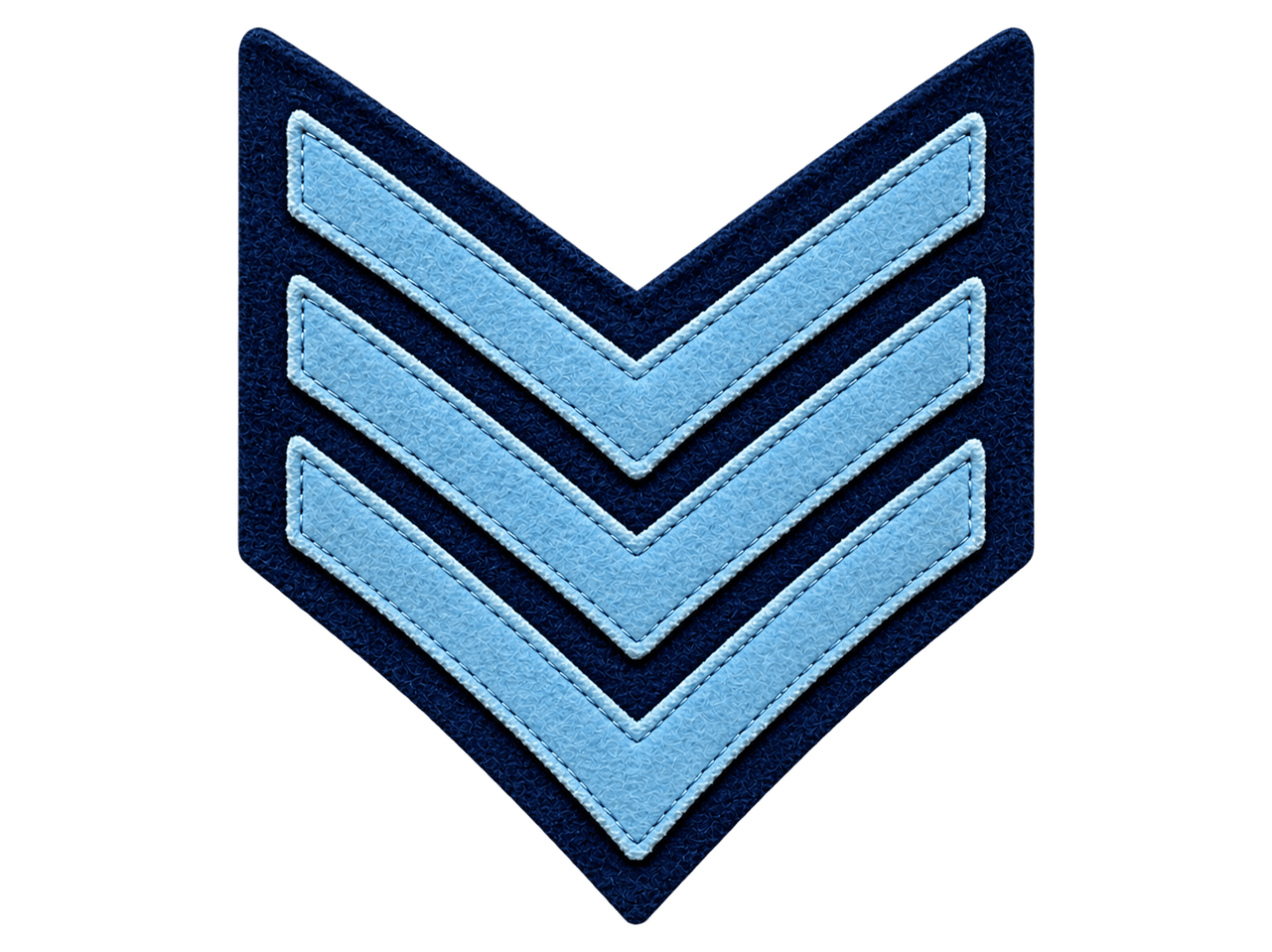
Edward Brown Jr., also recorded in some historical sources as Edward Browne Jr., was born on July 6, 1841, in Ireland. He later immigrated to the United States and became associated with New York City. When the American Civil War began, Brown entered service in the United States Army and became a soldier of Company G, 62nd New York Volunteer Infantry. At the time of the action that would eventually earn him the Medal of Honor, he held the rank of Corporal. His highest verified military rank was later Sergeant. The 62nd New York Infantry was organized in New York City and mustered into Federal service on June 30, 1861. It became part of the Army of the Potomac and served first with the IV Corps and later with the VI Corps. The regiment experienced extensive field service during the Civil War and participated in campaigns on the Virginia Peninsula, in Maryland, around Fredericksburg, and later at Gettysburg and in other major operations. Brown therefore belonged to an infantry regiment with a long and difficult combat history. During the earlier phases of the war, the 62nd New York served through major Union operations that included the Peninsula Campaign and the battles associated with the Seven Days. The regiment later became part of the VI Corps, a formation that would develop a reputation for dependable battlefield service. By the spring of 1863, Brown and his regiment were positioned opposite Fredericksburg, Virginia, as the Union Army prepared for another major offensive against General Robert E. Lee’s Army of Northern Virginia. The campaign that followed became known broadly as the Chancellorsville Campaign, but the VI Corps operated in the Fredericksburg sector rather than moving directly with the main Union force toward Chancellorsville. Major General John Sedgwick’s VI Corps was ordered to threaten and eventually break through Confederate defenses around Fredericksburg and Marye’s Heights. On May 3, 1863, Union forces launched a renewed attack against the Confederate positions overlooking Fredericksburg. This fighting is commonly known as the Second Battle of Fredericksburg or the Second Battle of Marye’s Heights. The 62nd New York Infantry played a direct role in these operations. The regiment encountered extremely heavy fire as it approached the Confederate defenses. Contemporary regimental accounts describe the 62nd New York suffering severe casualties while advancing against enemy infantry and artillery. Its color party was particularly exposed because regimental flags were highly visible and stood near the center of the formation. During the Civil War, a regiment’s colors served a practical as well as symbolic purpose. In the smoke and confusion of battle, soldiers could use the flag to identify their regiment’s position and direction. The colors therefore became a rallying point whenever formations became scattered or disorganized. Because of this importance, color bearers were also conspicuous targets and frequently suffered extraordinarily high casualty rates. Edward Brown was serving as one of those soldiers responsible for the colors. The fighting did not end after the Union breakthrough at Fredericksburg. Sedgwick’s troops continued westward toward Lee’s army and encountered strong Confederate resistance around Salem Heights and Salem Church. On May 3 and 4, the fighting there became intense as Confederate forces attempted to stop the VI Corps and eventually force it back toward the Rappahannock River. It was during the actions at Fredericksburg and Salem Heights on May 3–4, 1863, that Corporal Edward Brown performed the act for which he would later receive the Medal of Honor. While carrying the regiment’s colors under enemy fire, Brown was severely wounded. The wound was serious enough that his commander recognized that he had been hit and expected him to leave the battlefield. Brown did not immediately go to the rear. Instead, he remained with the colors while Union soldiers were moving across exposed ground and attempting to maintain or recover their formation. His continued presence with the flag gave the men a clearly visible rallying point during a dangerous and confused phase of the battle. Brown remained at his post despite his wound and the ongoing Confederate fire. Only after he was specifically ordered to the rear did he finally leave his position. That conduct became the basis of his official Medal of Honor citation: Severely wounded while carrying the colors, he continued at his post, under fire, until ordered to the rear. The wording is short, but the significance of the action is substantial. Brown had already fulfilled the ordinary expectation of a wounded soldier simply by surviving long enough to reach safety. Instead, he chose to remain exposed with the colors because the regiment still needed a visible rallying point. The 62nd New York suffered heavily during these operations. Regimental histories specifically record severe losses around Marye’s Heights and Salem Heights, emphasizing the intense Confederate musketry and artillery faced by the unit. The regiment’s colors were struck repeatedly during the Fredericksburg fighting, demonstrating how exposed the color party had been. The fighting around Salem Heights ultimately turned against the Union VI Corps. Confederate forces concentrated against Sedgwick’s command, forcing the Federals back toward Banks’ Ford and eventually across the Rappahannock River. Although the larger operation did not produce the strategic Union victory commanders had hoped for, Brown’s individual conduct became one of the enduring acts of bravery associated with the campaign. Brown survived his severe wound. His later military records identify Sergeant as the highest rank he attained. The exact promotion chronology is not sufficiently established in the authoritative records used for this profile, so it is important not to invent a promotion date. What can be stated securely is that he was a Corporal during the Medal of Honor action and subsequently reached the rank of Sergeant. The 62nd New York Infantry continued serving after the Fredericksburg and Salem Heights fighting. The regiment later took part in the Gettysburg Campaign and numerous subsequent operations of the Army of the Potomac. Its broader service eventually included combat at Gettysburg, the Wilderness, Spotsylvania, Cold Harbor, Petersburg, and the final campaigns that ended with the surrender of the Army of Northern Virginia at Appomattox. Those later engagements form part of the regiment’s documented history. However, Brown’s individual Medal of Honor record is specifically tied to Fredericksburg and Salem Heights, and those battles remain the defining verified combat actions of his personal profile. Medal of Honor Edward Brown Jr.’s principal verified military decoration was the Medal of Honor. The Army Medal of Honor had been created during the Civil War. President Abraham Lincoln signed legislation authorizing the Army award on July 12, 1862. At first it was designed principally to recognize enlisted soldiers and noncommissioned officers who distinguished themselves through extraordinary conduct in military service. Eligibility was expanded in 1863. During Brown’s era, the extensive American system of military decorations familiar from later wars did not yet exist. There was no Distinguished Service Cross, Silver Star Medal, or Bronze Star Medal. Consequently, the Medal of Honor served as the central national decoration for exceptional acts of battlefield courage by soldiers of the Union Army. Brown did not receive the Medal of Honor immediately after his 1863 action. His heroic action occurred on: May 3–4, 1863 — Fredericksburg and Salem Heights, Virginia His Medal of Honor was presented on: November 24, 1880 More than seventeen years separated the action from the presentation of the medal. This type of delay was common among Civil War Medal of Honor recipients. Many wartime actions were reviewed years or even decades after the conflict, and veterans were sometimes formally recognized long after returning to civilian life. Brown was alive when his decoration was awarded, so the Medal of Honor was not posthumous. For the VictoriaCross.ca database, his award is correctly represented as: Medal of Honor 1862–1895 Army — 1880 — No device or clasp The date 1880 represents the year in which Brown received the decoration. The actual battlefield action remains dated 1863. Keeping these dates separate is essential to preserving an accurate historical record. Brown received the Medal of Honor only once. No additional award of the decoration, clasp, star, bar, oak leaf cluster, or other device has been verified. His ribbon should therefore remain completely plain, with no device or clasp. Civil War Campaign Medal Although Brown unquestionably served in the Union Army during the Civil War and lived into the twentieth century, the later Civil War Campaign Medal has not been included in his final verified ribbon rack. The Army Civil War Campaign Medal was created decades after the fighting ended. Historical eligibility based on service dates does not automatically establish that a particular veteran personally received or was officially issued the medal. Under the project’s recipient-specific evidence standard, no sufficiently strong individual issuance record has been established for Edward Brown Jr. Therefore the campaign medal remains excluded rather than being added solely because his Civil War service would otherwise appear to qualify. His final verified medal record consequently remains: Medal of Honor 1862–1895 Army — 1880 — No device or clasp Later Life Brown survived the Civil War and lived for many decades afterward. Unlike his military service and Medal of Honor action, his postwar civilian life is less completely documented in the principal military records. For that reason, details about his civilian employment, family, or other activities should not be expanded without stronger documentary evidence. What remains firmly established is his continued association with New York City, the city to which his Medal of Honor service was officially accredited. As the decades passed, Brown lived through a period in which the memory of the Civil War became increasingly institutionalized through veterans’ organizations, battlefield monuments, regimental histories, and commemorative publications. The story of the 62nd New York Infantry was preserved in New York State military histories, including accounts of the regiment’s conduct at Fredericksburg, Salem Heights, Gettysburg, and other engagements. Brown himself became part of that institutional memory because the Medal of Honor identified his conduct as one of the regiment’s most distinguished individual acts of courage. The central image of his military legacy remained unchanged: a wounded Corporal holding his regiment’s colors under fire because his comrades still needed a point around which they could rally. Edward Brown Jr. died on November 5, 1911, in New York City, at the age of seventy. He was buried at Calvary Cemetery in Woodside, New York. By the time of his death, almost half a century had passed since the events at Fredericksburg and Salem Heights. The United States had changed dramatically, but the Medal of Honor he had received in 1880 ensured that the specific act he performed in May 1863 remained permanently connected with his name. Edward Brown Jr.’s story is therefore not primarily one of high command or a large collection of medals. He entered history as an infantry soldier—a Corporal of Company G, 62nd New York Infantry—who carried his regiment’s colors during one of the hardest phases of the Chancellorsville Campaign. He was wounded. He remained under fire. He kept the colors visible. And he refused to leave his position until ordered to do so. That decision earned him the Medal of Honor, presented on November 24, 1880. He later attained the highest verified rank of Sergeant, survived the war, returned to civilian life in New York, and lived until 1911. His final verified military profile is therefore: Full Name: Edward Brown Jr. Branch: United States Army Rank at Heroic Action: Corporal Highest Verified Rank: Sergeant Unit: Company G, 62nd New York Infantry Defining Actions: Fredericksburg and Salem Heights, May 3–4, 1863 Verified Decoration: Medal of Honor 1862–1895 Army — 1880 — No device or clasp Edward Brown Jr. is remembered as a Civil War infantryman and Medal of Honor recipient whose courage was expressed not through a dramatic charge or the capture of an enemy flag, but through steadfastness: severely wounded and still under fire, he remained with his regiment’s colors until his duty required him to leave.
Become the named supporter for this profile and edit the tribute biography and portrait (Owner account required). Proceeds help keep the archive online.
$25 USD / year — annual sponsorship renewal. Keeps the page online and, where enabled, the family anniversary remembrance emails active.