★
Loading archive…
Loading archive…
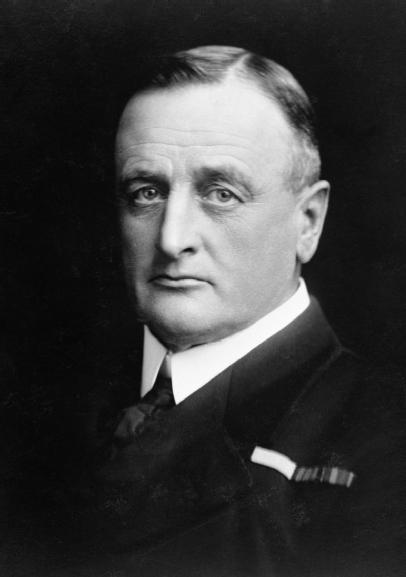
Captain, Royal Navy
Support & adopt this hero ↓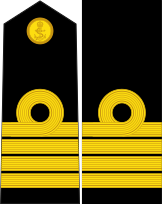
He braved Gallipoli gunfire to save men trapped on the shore
Edward Unwin was born at Fawley, Hampshire, on 17 March 1864. He built his seamanship in merchant sailing ships and the P&O Line before entering the Royal Navy in 1895. He served in the Benin expedition and the South African War, retired in 1909 and returned to naval duty when war threatened in July 1914. He married Evelyn Agnes Carew Carey in 1897; they had two sons and two daughters. In April 1915 he commanded the converted collier River Clyde for the landing at V Beach, Gallipoli.
On 25 April, a broken bridge of lighters stranded troops under devastating fire. Unwin entered the sea to help secure the vessels and maintain a route ashore. Despite exhaustion, exposure and wounds, he repeatedly returned to the work and later used a boat to rescue wounded soldiers near the beach. His Victoria Cross recognised courage that made the landing possible amid catastrophic losses.
He subsequently organised landing craft at Suvla and naval personnel during its evacuation. Later appointments took him to Egypt and the eastern Mediterranean, and he served as a commodore before retiring in 1920. He lived in Cheltenham and Derbyshire before moving to Hindhead in 1936. He served as president of the Ellastone branch of the British Legion and as a deputy lieutenant of Staffordshire. He died at Hindhead on 19 April 1950 and was buried at St Luke’s Churchyard, Grayshott.
Victoria Cross citation Second Supplement to The London Gazette of 13 August 1915. 16 August 1915, Numb. 29264 , p. 8129
While in “River Clyde”, observing that the lighters which were to form the bridge to the shore had broken adrift, Commander Unwin left the ship and under a murderous fire attempted to get the lighters into position. He worked on until, suffering from the effects of cold and immersion, he was obliged to return to the ship, where he was wrapped up in blankets. Having in some degree recovered, he returned to his work against the doctor’s order and completed it. He was later again attended by the doctor for three abrasions caused by bullets, after which he once more left the ship, this time in a lifeboat, to save some wounded men who were lying in shallow water near the beach. He continued at this heroic labour under continuous fire until forced to stop through pure physical exhaustion.
Become the named supporter for this profile and edit the tribute biography and portrait (Owner account required). Proceeds help keep the archive online.
$25 USD / year — annual sponsorship renewal. Keeps the page online and, where enabled, the family anniversary remembrance emails active.