★
Loading archive…
Loading archive…
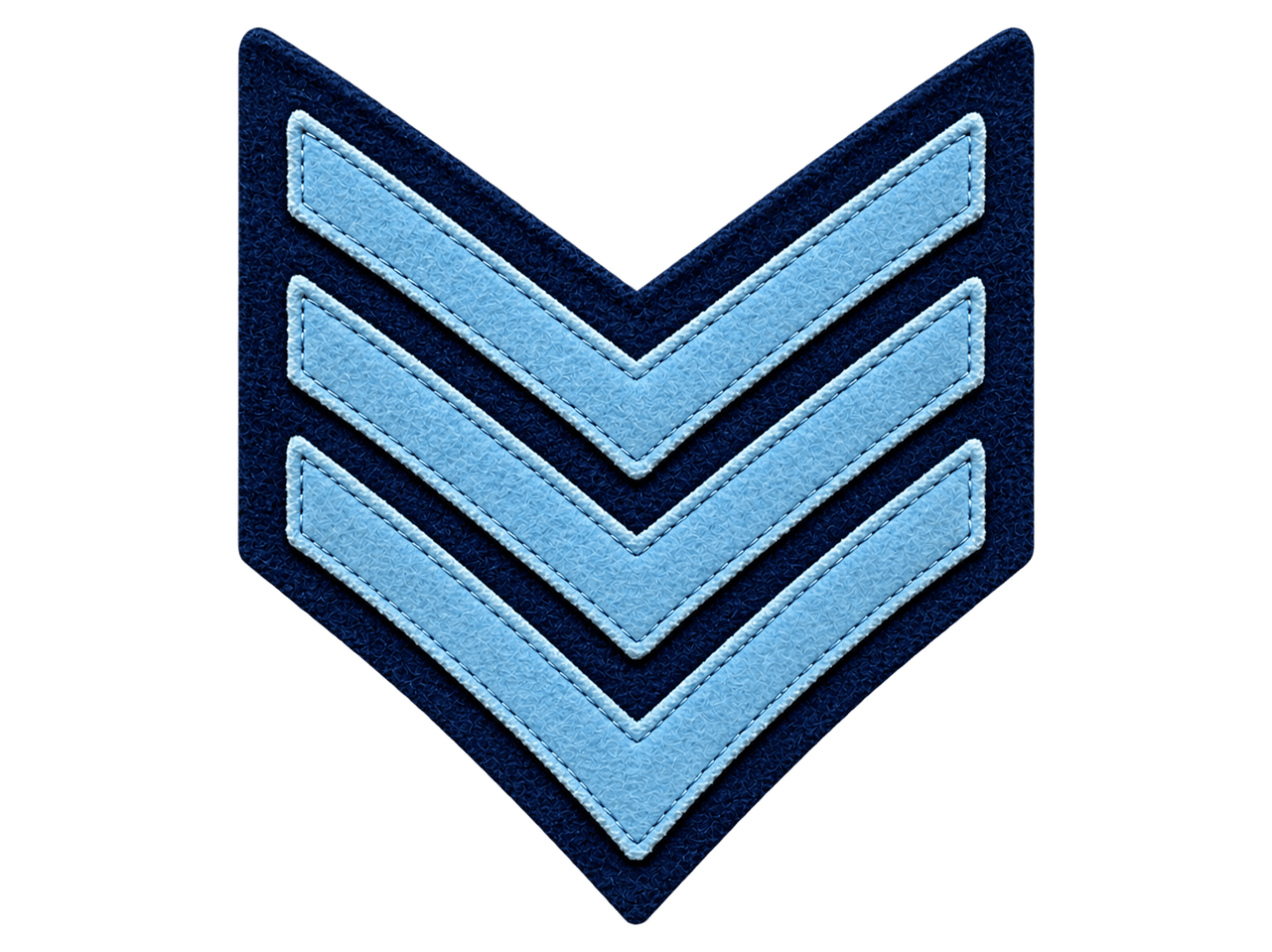
Franklin Carr was born in 1844 in Stark County, Ohio. The surviving authoritative military record identifies him simply as Franklin Carr, and this is the name under which his United States Army service and Medal of Honor are officially recorded. His early civilian life is not extensively documented in surviving military sources, but by the early years of the American Civil War he had entered Union service and became a member of Company D, 124th Ohio Volunteer Infantry. The 124th Ohio Infantry was organized in northern Ohio during the latter part of 1862 and mustered into Federal service on January 1, 1863. Commanded by Colonel Oliver Hazard Payne, the regiment was raised for three years of service and soon moved south into Kentucky and Tennessee. Carr served in the regiment as a Corporal, a junior noncommissioned rank that placed him above the ordinary private and gave him additional responsibility within his company. After moving through Kentucky, the 124th Ohio reached Tennessee and became part of the Union forces operating in the Western Theater. It spent time near Franklin, Tennessee, where the regiment received additional training and performed garrison and security duties. The area was far from peaceful, however, and frequent encounters with Confederate forces helped prepare the regiment for the much harder campaigning that followed. Carr and the 124th Ohio subsequently became part of the Army of the Cumberland. The regiment participated in the campaigns that carried Union forces through Tennessee and northern Georgia, including the Chickamauga Campaign. At the Battle of Chickamauga in September 1863, the Union Army suffered a serious defeat, and the fighting tested the 124th Ohio under extremely difficult battlefield conditions. After Chickamauga, Union forces concentrated around Chattanooga, Tennessee. The 124th Ohio later participated in the Chattanooga operations that restored the Union strategic position in the region. The regiment also took part in the relief of Knoxville, extending its service across a demanding sequence of marches and operations during the closing months of 1863. In 1864 the regiment joined the Atlanta Campaign, one of the major Union offensives of the Civil War. Carr and his comrades served during the long advance through Georgia in which Union and Confederate armies fought repeatedly over defensive positions, roads, railroads, and strategic towns. The 124th Ohio saw action during battles and operations that included Resaca and Kennesaw Mountain as Union forces gradually pushed toward Atlanta. The fall of Atlanta did not end major fighting in Tennessee. Confederate General John Bell Hood moved north in an attempt to disrupt Union control of the region and force a major change in the strategic situation. After the bloody fighting at Franklin in November 1864, Hood advanced toward Nashville, where a powerful Union force under Major General George H. Thomas prepared to attack. The Battle of Nashville began on December 15, 1864. Union forces attacked Hood’s fortified Confederate army and forced it from several positions. The fighting continued the following day, December 16, when Thomas launched another major assault designed to break the Confederate line completely. It was during this second day of the Battle of Nashville that Franklin Carr performed the action for which he would receive the Medal of Honor. Carr was still serving as a Corporal in Company D of the 124th Ohio Infantry as his regiment advanced against Confederate defensive positions. During the fighting, a United States guidon had fallen into Confederate hands and was located with an enemy artillery battery. A guidon was much more than a small military flag. It served as a visible symbol of a unit’s identity and position on the battlefield, and losing military colors to an enemy carried considerable symbolic importance. Carr advanced against the Confederate position and succeeded in recapturing the United States guidon from the enemy battery. His official Medal of Honor citation describes the deed in remarkably concise language: he recaptured a U.S. guidon from a rebel battery. Although the official wording is short, the circumstances were inherently dangerous. An artillery battery was a defended combat position supported by gun crews and often nearby infantry. Recovering a captured flag from such a position required Carr to enter an area where Confederate troops were actively resisting the Union advance. The larger Battle of Nashville became one of the most decisive Union victories of the Western Theater. By the end of December 16, Hood’s Army of Tennessee had been driven from its positions and forced into retreat. The Confederate army suffered losses from which it never recovered as an effective offensive force. Carr’s act of courage therefore occurred during the decisive attack that helped destroy one of the Confederacy’s principal field armies. Recognition of Carr’s action came quickly. On February 24, 1865, only a little more than two months after the Battle of Nashville, Franklin Carr was awarded the Medal of Honor for his conduct on December 16, 1864. The Army Medal of Honor had been authorized by Congress in 1862 during the Civil War. At that time the United States did not possess the extensive hierarchy of military decorations that would be created in later generations. The Medal of Honor therefore became the principal national decoration for extraordinary military conduct by soldiers of the Union Army. Carr received the Civil War-era Army Medal of Honor associated with the 1862–1895 period of the decoration. His award carried no additional clasp, star, or other device. It recognized one specific act of battlefield courage: the recovery of a United States guidon from a Confederate battery during the Battle of Nashville. Carr’s Medal of Honor presentation on February 24, 1865 also came while the Civil War was still being fought. General Robert E. Lee would not surrender the Army of Northern Virginia until April 9, and other Confederate forces remained in the field for weeks afterward. Carr therefore received his country’s highest military decoration while he was still an active Union soldier. Following the Nashville Campaign, the 124th Ohio remained in service as Union operations continued toward the end of the war. By this stage Carr had accumulated extensive campaigning experience with a regiment that had served at Chickamauga, Chattanooga, Knoxville, through the Atlanta Campaign, and finally at Nashville. Carr subsequently advanced from Corporal to Sergeant, which became his highest verified military rank. This distinction is important in his historical record: his Medal of Honor action was performed while he was a Corporal, while Sergeant represents the highest rank he later attained. The 124th Ohio remained in Federal service after the main Confederate armies began surrendering in 1865. With the war effectively concluded, the enormous Union volunteer army began the process of demobilization. The regiment was mustered out during the summer of 1865, bringing Carr’s Civil War military service to an end. Carr returned to civilian life as a veteran of some of the most demanding campaigns fought by the Army of the Cumberland. His military career had taken him from Ohio into Kentucky, Tennessee, Georgia, and other parts of the Western Theater and had placed him in major operations that shaped the final outcome of the Civil War. The Medal of Honor remains the only decoration that can be placed in Carr’s verified medal record. His extensive Civil War service does not automatically establish entitlement to later-created campaign medals. In Carr’s particular case, the Army Civil War Campaign Medal is not included. Carr died in 1904, three years before that medal was established in 1907, so it does not form part of his verified decoration record. No additional devices or clasps are attached to his Medal of Honor. His final verified ribbon rack therefore consists of one decoration: the Medal of Honor 1862–1895 Army, awarded in 1865 for his action at Nashville. Franklin Carr lived for nearly four decades after the Civil War. The surviving authoritative military sources provide considerably more detail about his wartime service and Medal of Honor action than about his later civilian career, so uncertain postwar details should not be expanded beyond the evidence. Carr died on October 16, 1904, in McAlester, Oklahoma. By then almost forty years had passed since the Battle of Nashville, but his act on December 16, 1864 remained permanently recorded in the official history of the United States Army and the Medal of Honor. Franklin Carr’s military legacy rests on a simple but significant battlefield act. As a Corporal of Company D, 124th Ohio Infantry, he advanced during one of the decisive Union victories of the Civil War and recovered a United States guidon from a Confederate artillery position. He later rose to Sergeant, but it was his courage as a Corporal at Nashville that earned the Medal of Honor on February 24, 1865. His decoration preserves the memory of an enlisted Ohio soldier whose bravery during the final winter of the Civil War became part of the permanent record of America’s highest military honor.
Become the named supporter for this profile and edit the tribute biography and portrait (Owner account required). Proceeds help keep the archive online.
$25 USD / year — annual sponsorship renewal. Keeps the page online and, where enabled, the family anniversary remembrance emails active.
