★
Loading archive…
Loading archive…
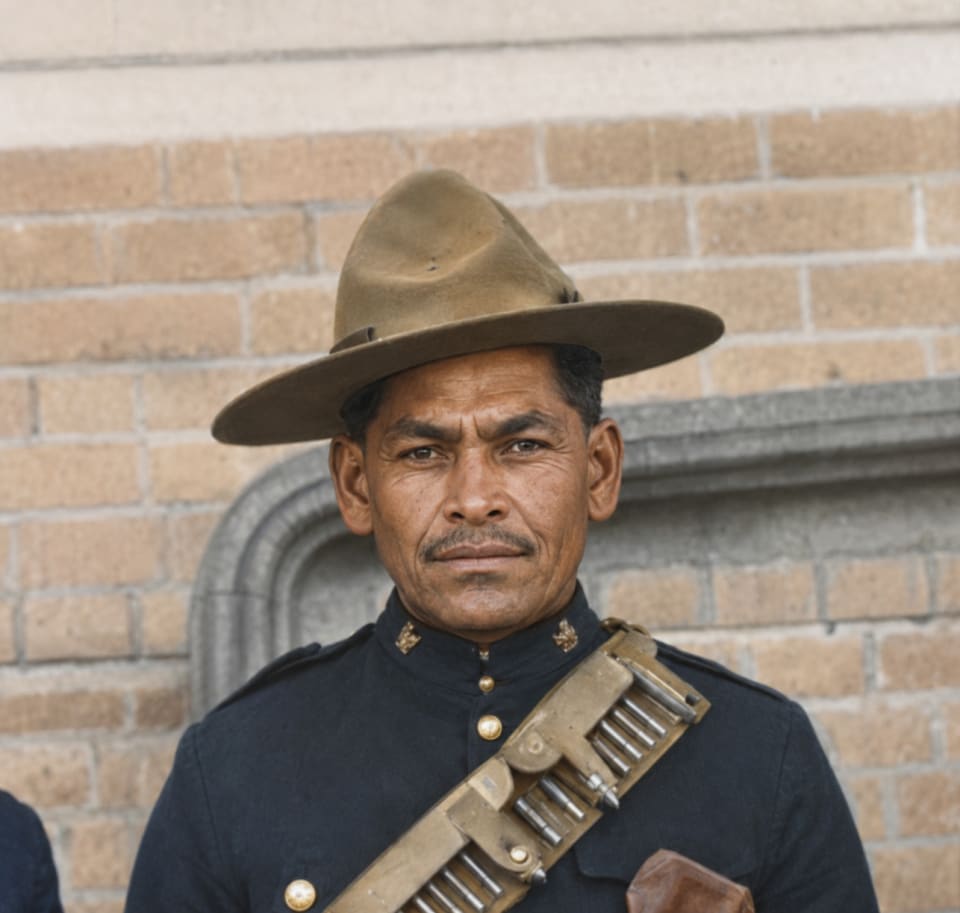
Lance Corporal WW1, Canadian Army
Support & adopt this hero ↓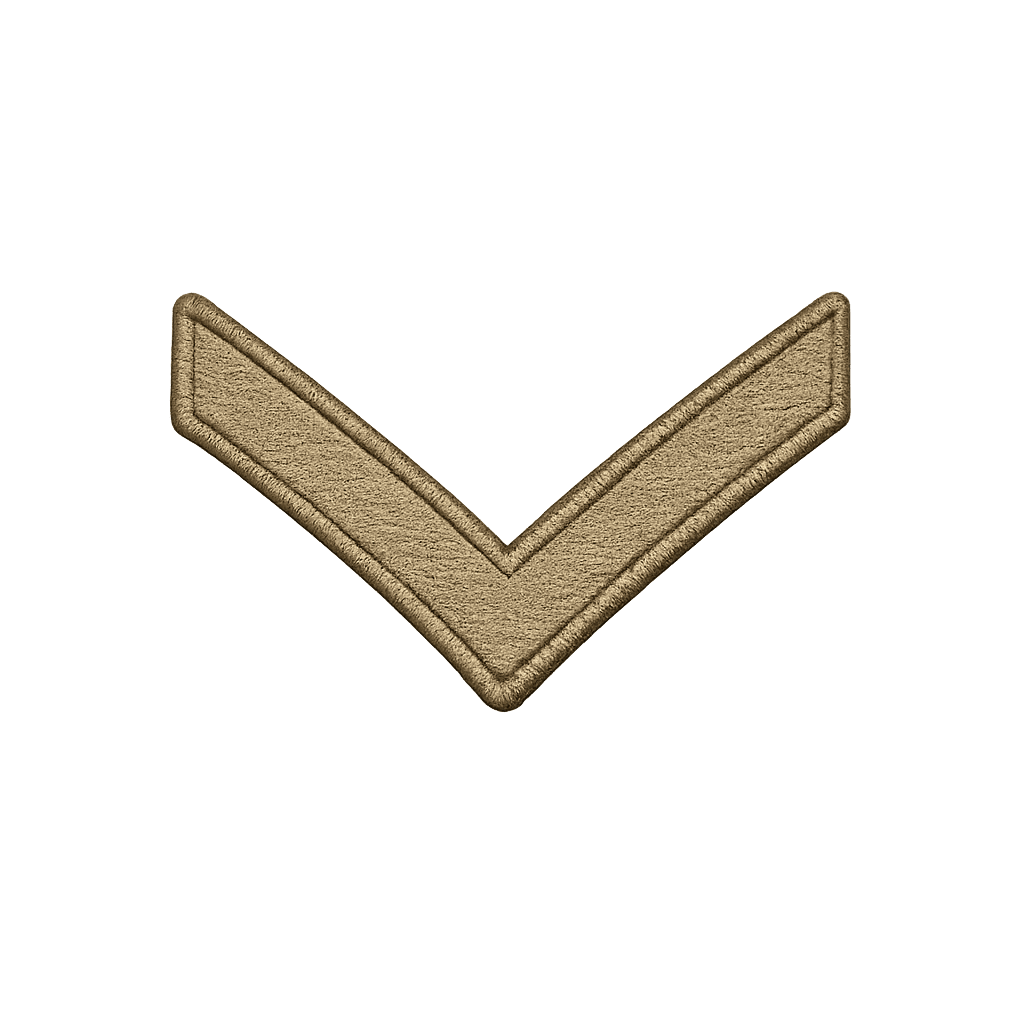
Henry Louis Norwest MM & Bar became one of the most celebrated Canadian snipers of the First World War, building a record of 115 fatal shots while serving with the 50th Canadian Infantry Battalion. Born at Fort Saskatchewan in 1884, in what was then the North-West Territories and is now Alberta, Norwest was Métis, of Cree and French ancestry. Before the war he worked as a ranch hand and rodeo performer, occupations that reflected the outdoor life in which he had been raised. Surviving records disagree on his exact date of birth, giving both 1 May and 8 May 1884, so the year 1884 is the safest historical formulation.
Norwest first enlisted in the Canadian Expeditionary Force in January 1915 under the name Henry Louie and served briefly with the 3rd Canadian Mounted Rifles. After being discharged following a disciplinary offence, he later worked for a short time with the Royal North-West Mounted Police. Determined to return to military service, he re-enlisted at Calgary on 8 September 1915 under the name Henry Norwest and joined the 50th Canadian Infantry Battalion. Overseas he became known to his comrades as "Ducky" and developed a reputation as a quiet, patient and exceptionally effective soldier.
Serving as a sniper on the Western Front, Norwest became one of the Canadian Corps' most successful marksmen and was credited with a sniping record of 115 fatal shots. His work demanded patience, concealment, observation and the ability to remain composed in exposed positions and no man's land, often within dangerous proximity of German lines. Norwest's effectiveness made him particularly valuable in the difficult work of suppressing enemy positions and protecting Canadian troops, and his reputation grew steadily among the soldiers of the 50th Battalion.
Norwest's most famous service came during the fighting around Vimy Ridge in 1917. Following the capture of the Pimple, his sniping actions earned him the Military Medal. The surviving citation praised his "great bravery, skill and initiative" and recorded that his actions saved Canadian lives. The award was officially published in the Supplement to The London Gazette on 9 July 1917, where he appeared as 435684 Private H. Norwest. He later earned a Bar to the Military Medal, representing a second award for gallantry. The Bar was gazetted on 7 October 1918 under his name as Acting Lance Corporal H. Norwest, MM. Importantly, the surviving official record does not specify the particular action for which the Bar was awarded, so attributing it to a specific engagement would go beyond the documentary evidence.
Henry Louis Norwest was killed by an enemy sniper near Fouquescourt in the Amiens sector on 18 August 1918, less than three months before the Armistice. He was buried at Warvillers Churchyard Extension in France, grave A.30. His death brought to an end the remarkable career of a Métis soldier whose skill, courage and battlefield discipline had earned him the Military Medal and Bar and a place among Canada's best-known First World War snipers. His comrades later left a striking tribute on his temporary grave marker: "It must have been a damned good sniper that got Norwest." More than a century later, Henry Norwest remains an important figure in Canadian military history and Métis military heritage, remembered not simply for his extraordinary sniper record, but for the courage and professionalism recognized in his wartime awards.
Become the named supporter for this profile and edit the tribute biography and portrait (Owner account required). Proceeds help keep the archive online.
$25 USD / year — annual sponsorship renewal. Keeps the page online and, where enabled, the family anniversary remembrance emails active.