★
Loading archive…
Loading archive…
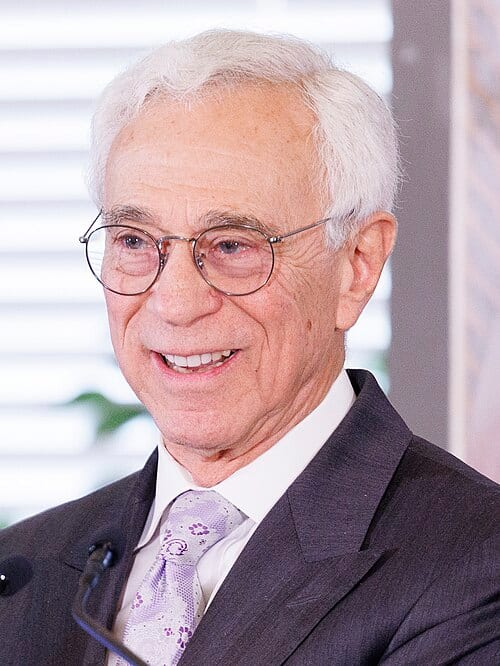
Bleeding heavily, his vision clouded by blood, and surrounded by enemy fire, Jack Howard Jacobs kept going back for the wounded. Again and again, he crossed exposed rice paddies under fire because men were still out there. That extraordinary courage on 9 March 1968 would make Colonel Jack Howard Jacobs one of the most highly decorated American soldiers of the Vietnam War and a recipient of the Medal of Honor.
Born on 2 August 1945 in Brooklyn, New York, Jacobs later grew up in Woodbridge, New Jersey. He attended Rutgers University, participated in Army ROTC, and graduated in 1966 before receiving his commission as a second lieutenant in the United States Army. His early service included duty with the 82nd Airborne Division, but the assignment that would define his life came when he was sent to Vietnam as an advisor to South Vietnamese forces.
On 9 March 1968, then First Lieutenant Jacobs was serving as assistant battalion advisor to the 2nd Battalion, 16th Infantry, 9th Infantry Division, Army of the Republic of Vietnam, in Kien Phong Province. His battalion was moving against the enemy when a well-prepared Viet Cong force opened devastating machine gun and mortar fire from fortified positions. Jacobs called for and directed air strikes, but the attack stalled as casualties mounted and the South Vietnamese command group was badly hit.
Then Jacobs himself was struck by mortar fragments. His head wounds bled so severely that his vision was impaired, yet he refused to remove himself from the fight. He assumed command of the disorganized company, ordered it back from its exposed position, and established a defensive perimeter. What followed became the heart of his Medal of Honor citation. Jacobs repeatedly returned through intense automatic weapons fire to rescue wounded men, first evacuating a seriously wounded American advisor and administering lifesaving first aid, then returning for the wounded company commander and others scattered across the battlefield.
Each trip meant crossing open ground swept by enemy fire. On three occasions Jacobs encountered Viet Cong soldiers searching the battlefield for allied wounded and weapons. He fought them off and continued the rescue effort. According to his official citation, his actions saved one American advisor and 13 allied soldiers, restored the South Vietnamese company as an effective fighting force, and helped prevent its defeat. The citation described Jacobs as acting with "complete disregard for his safety."
For that action, Jacobs received the Medal of Honor, the United States' highest military decoration for valor. President Richard Nixon presented the medal to Captain Jacobs at the White House on 9 October 1969. The presentation was part of a ceremony honoring four Army servicemen for extraordinary heroism in Vietnam.
The Medal of Honor was only the highest point in an exceptional combat record. Jacobs earned two Silver Stars, reflecting repeated acts of gallantry in combat, as well as three Bronze Star Medals, including one recognized for valor and represented by the V Device. He was also wounded on more than one occasion, earning two Purple Hearts. His broader record included the Legion of Merit, Meritorious Service Medal, Air Medal and Army Commendation Medal, together with U.S. and South Vietnamese campaign and service awards. Contemporary military and institutional accounts consistently identify Jacobs as one of the most heavily decorated soldiers of his generation. Military Times Remarkably, Vietnam did not end for Jacobs after his Medal of Honor action. Following recovery and further assignments in the United States, the Army sent him to graduate school at Rutgers. He then voluntarily returned to Vietnam in July 1972, serving once again as an advisor, this time with the 1st Vietnamese Airborne Battalion. He remained there until January 1973. Jacobs later recalled that his second tour was very different from his first, with American forces withdrawing and South Vietnamese troops carrying an increasingly heavy burden of the fighting.
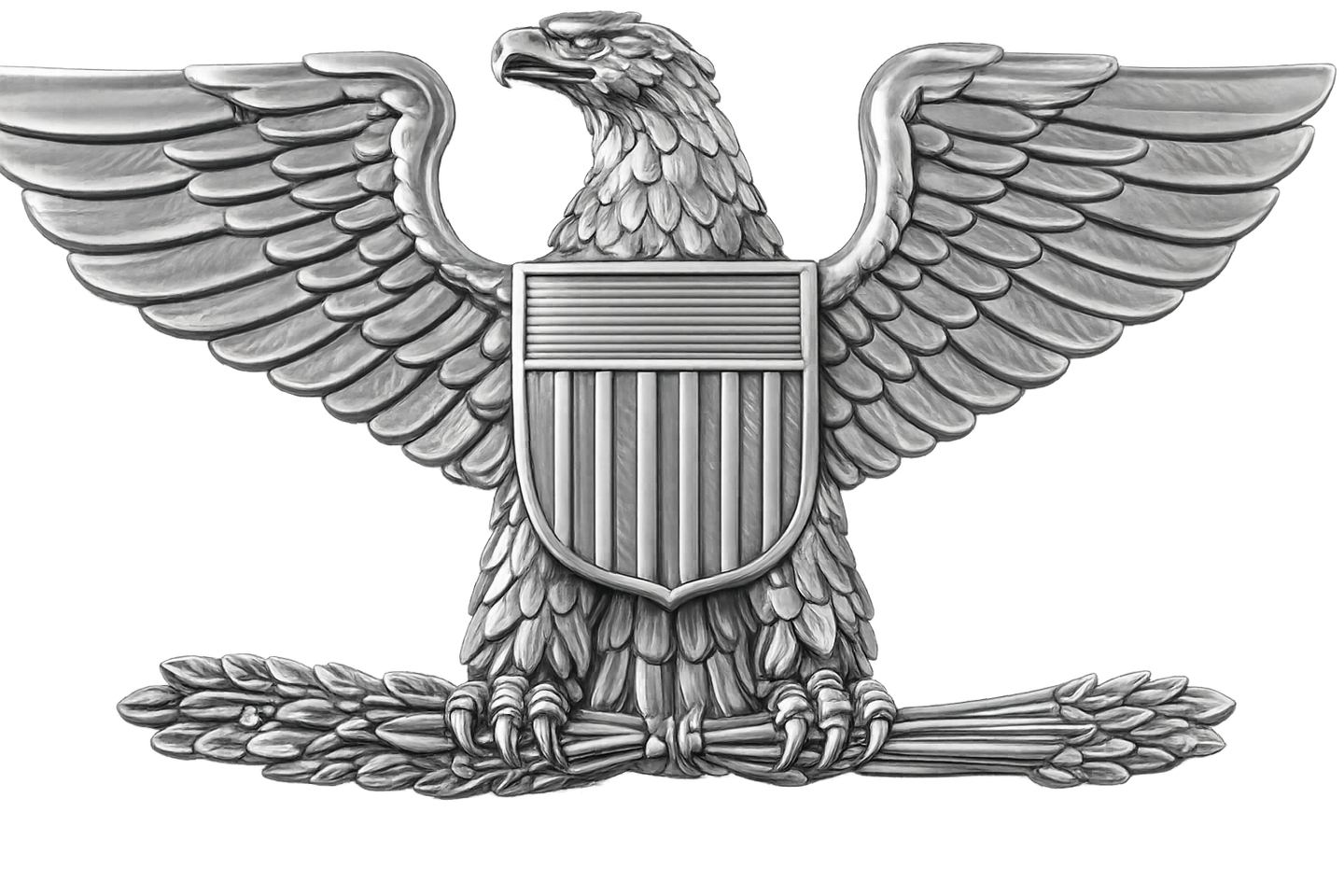
His Army career continued far beyond the battlefield. Jacobs taught international relations and comparative politics at the United States Military Academy at West Point, served as an infantry battalion executive officer with the 7th Infantry Division, and commanded the 4th Battalion, 10th Infantry in Panama. He later served on the faculty of the National War College in Washington, D.C. After more than two decades of military service, Jacobs retired on 1 February 1987 as a colonel.
Jacobs carried the lessons of military leadership into another demanding world. After leaving the Army, he entered finance, became a founder and chief operating officer of AutoFinance Group, worked as a managing director at Bankers Trust, and pursued investment ventures. He also became widely known as a military and national security analyst for television audiences. His memoir, If Not Now, When?: Duty and Sacrifice in America's Time of Need, further explored the meaning of leadership, service, fear and responsibility.
Yet the most powerful part of Colonel Jack Howard Jacobs' story remains what happened in a Vietnamese rice paddy in 1968. His Medal of Honor was not earned because he was untouched by fear or injury. He was already wounded and losing blood when he chose to keep returning for others. The official record describes a soldier who took control when command had collapsed, rescued the wounded when remaining under cover would have been safer, and continued until he could physically do no more. That is why Jack Jacobs' name endures not simply among Vietnam War Medal of Honor recipients, but as an enduring example of battlefield leadership, courage and duty under the most extreme conditions.
Become the named supporter for this profile and edit the tribute biography and portrait (Owner account required). Proceeds help keep the archive online.
$25 USD / year — annual sponsorship renewal. Keeps the page online and, where enabled, the family anniversary remembrance emails active.