★
Loading archive…
Loading archive…

First Sergeant, U.S. Army
Support & adopt this hero ↓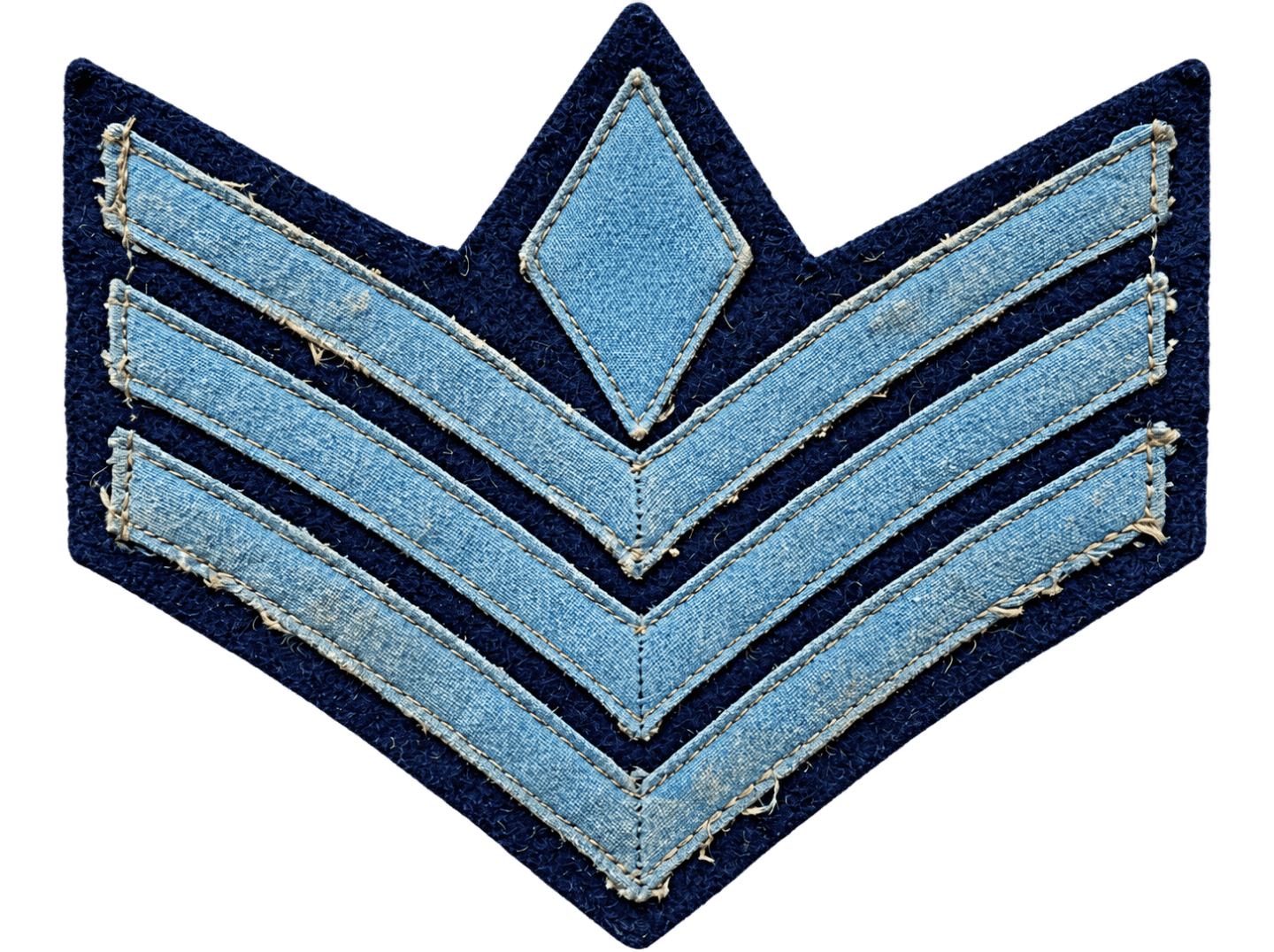
James B. Thompson was born in 1843 and entered United States Army service from Pennsylvania during the American Civil War. He became a member of Company G, 1st Pennsylvania Rifles, a regiment also known as the 13th Pennsylvania Reserves and popularly associated with the Pennsylvania “Bucktails.” Thompson served as an infantry soldier and eventually reached the rank of First Sergeant, which is his highest verified military rank. At the time of the action that earned him the Medal of Honor, however, his verified rank was Sergeant. The 1st Pennsylvania Rifles was an experienced Union infantry regiment that served with the Army of the Potomac. Its soldiers operated in some of the most demanding campaigns in the Eastern Theater, where infantry service meant long marches, difficult field conditions, skirmishing, and close combat against Confederate forces. By the summer of 1863, Thompson had become an experienced noncommissioned officer serving in a regiment whose men had already endured substantial wartime service. In June 1863, the Confederate Army of Northern Virginia under General Robert E. Lee moved north through Maryland into Pennsylvania. Union forces followed, and the opposing armies converged around the town of Gettysburg. What began as a meeting engagement on July 1 developed into the largest and one of the most consequential battles of the Civil War. The Battle of Gettysburg continued for three days, from July 1 through July 3, 1863. Fighting spread across fields, ridges, rocky ground, farms, and wooded areas surrounding the town. Infantry units repeatedly attacked and counterattacked, often at very close range. Regimental colors became especially important in these conditions because soldiers used their flags to identify their units, maintain formation, and rally amid battlefield smoke and confusion. For Civil War soldiers, a regimental flag carried enormous practical and symbolic significance. Colors marked the position of a regiment on the battlefield and represented the organization’s identity and honor. Color guards therefore defended their flags intensely, and attempting to capture an enemy standard usually required a soldier to advance into the most dangerous part of the opposing formation. On July 3, 1863, Sergeant James B. Thompson performed the action that became the defining event of his military career. During the fighting at Gettysburg, he captured the flag of the 15th Georgia Infantry of the Confederate States Army. His official Medal of Honor citation records the achievement in exceptionally concise language: the capture of the flag of the 15th Georgia Infantry. Although the citation contains only a few words, the nature of the accomplishment explains its military importance. Capturing a Confederate regimental flag required Thompson to close with enemy troops at a time when the opposing unit was actively engaged in battle. Such flags were normally positioned near the center of a regiment and protected by designated members of a color guard. Reaching and taking one therefore involved direct personal exposure to enemy fire and close-range combat. Thompson’s achievement also represented more than possession of a physical object. The loss of a regimental color could damage morale and visibly demonstrate that the unit carrying it had been overcome or disrupted. Conversely, an enemy flag captured in combat became tangible evidence of battlefield success. Thompson’s action therefore combined individual courage with a result that had both tactical and symbolic importance. Gettysburg ended as a major Union victory and represented a turning point in the Eastern Theater. Lee’s army withdrew toward Virginia after the battle, while the Union Army retained control of the field. Thompson survived the fighting and continued his military service after the engagement that had established his reputation for gallantry. His conduct did not have to wait decades for national recognition, as happened with many other Civil War Medal of Honor recipients. Thompson received the Medal of Honor on December 1, 1864, approximately seventeen months after the action at Gettysburg. He was still alive when the award was presented, making the decoration a wartime recognition rather than a posthumous honor. The Medal of Honor itself had only recently been created when Thompson earned it. Congress authorized the Army Medal of Honor in 1862, during the early years of the Civil War. At that time the United States Army did not possess the extensive system of individual valor decorations that would develop in later generations. The Medal of Honor therefore became the principal national decoration used to recognize particularly distinguished acts of wartime courage. Thompson’s award belongs to the original Civil War-era Army Medal of Honor system. For the historical database, his verified decoration is represented as Medal of Honor 1862–1895 Army — 1864. The 1862–1895 designation identifies the historical Army Medal of Honor period applicable when his decoration was issued, while 1864 records the year in which the award was formally presented. This distinction is important because Thompson’s heroic action occurred in 1863, not 1864. The battlefield event and the award date are separate historical facts. His Medal of Honor action took place at Gettysburg on July 3, 1863, while the decoration was formally presented on December 1, 1864. Thompson received one Medal of Honor. No additional star, bar, clasp, oak leaf cluster, or other device has been verified with the decoration. His final medal record therefore remains deliberately simple: a single Army Medal of Honor recognizing the capture of the 15th Georgia Infantry’s flag at Gettysburg. His wartime advancement also needs to be distinguished carefully from the rank recorded in his Medal of Honor citation. Thompson was a Sergeant when he performed the Gettysburg action. His highest verified rank was later First Sergeant. Claims assigning him substantially higher officer ranks are not used for his final historical profile without stronger recipient-specific evidence. After the Civil War, Thompson returned to civilian life in Pennsylvania. His later years were associated with Port Royal, where he lived after the conflict. Compared with his Medal of Honor record, considerably less securely documented information survives concerning the details of his postwar employment and personal activities, so his biography is best centered on the military service that can be established with confidence. Thompson did not live to old age. He died on August 31, 1875, at approximately thirty-two years of age in Port Royal, Pennsylvania. He was buried at Old Church Hill Cemetery near Port Royal. His relatively early death meant that he survived the Civil War by only about a decade. Despite his short life, James B. Thompson left a lasting military legacy. He served as an infantry noncommissioned officer in Company G of the 1st Pennsylvania Rifles, fought in the nation’s defining civil conflict, and distinguished himself during the Battle of Gettysburg by capturing an enemy regimental flag. His advancement to First Sergeant reflected his standing as an experienced enlisted leader, while his Medal of Honor permanently recorded the individual act that defined his place in American military history. The central event of his career remains July 3, 1863. As Sergeant James B. Thompson fought with the 1st Pennsylvania Rifles at Gettysburg, he succeeded in capturing the colors of the 15th Georgia Infantry. On December 1, 1864, the United States recognized that action with his single verified decoration: Medal of Honor 1862–1895 Army — 1864 — no device or clasp.
Become the named supporter for this profile and edit the tribute biography and portrait (Owner account required). Proceeds help keep the archive online.
$25 USD / year — annual sponsorship renewal. Keeps the page online and, where enabled, the family anniversary remembrance emails active.