★
Loading archive…
Loading archive…
He treated wounded troops and carried ammunition under fire.
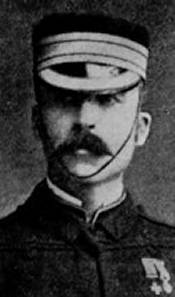
James Henry Reynolds was born at Kingstown, County Dublin, on 3 February 1844. He studied medicine at Trinity College Dublin and entered the Army Medical Department in March 1868. Service with the 36th Regiment took him to India, where his work during a cholera outbreak at Moradabad brought official commendation. He later served in southern Africa, including the fighting against the Gcaleka before the Zulu War.
On 22 and 23 January 1879, Reynolds was the medical officer at Rorke's Drift when the small British garrison was attacked. He attended the wounded throughout the defence, working in buildings and improvised positions repeatedly threatened by fire and assault. He also went beyond his immediate medical duties to carry ammunition to the defenders, exposing himself to the fire crossing the position.
His Victoria Cross recognised both the sustained care of casualties and these voluntary journeys under fire. The defence followed the British defeat at Isandlwana and left the garrison isolated until relief arrived. Reynolds continued serving during the campaign, including its later operations, and received the South Africa Medal with the 1877-8-9 clasp. The British Medical Association also honoured him for his conduct.
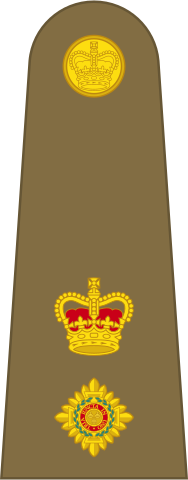
He married Elizabeth McCormick in 1880; they had three sons. His army career continued through promotion to lieutenant-colonel in 1887 and brigade surgeon lieutenant-colonel in 1892. He retired in 1896 after nearly three decades of service.
In retirement Reynolds practised in London and worked as medical officer to the Army Clothing Factory. His later professional life continued the medical service that had defined his conduct at Rorke's Drift. He died in London on 4 March 1932, aged eighty-eight, and was buried at St Mary's Roman Catholic Cemetery, Kensal Green. His surviving medals remained together through family ownership before entering a major Victoria Cross collection.
Victoria Cross citation
For the conspicuous bravery, during the attack at Rorke's Drift on the 22nd and 23rd January, 1879, which he exhibited in his constant attention to the wounded under fire, and in his voluntarily conveying ammunition from the store to the defenders of the Hospital, whereby he exposed himself to a cross-fire from the enemy both in going and returning.
Become the named supporter for this profile and edit the tribute biography and portrait (Owner account required). Proceeds help keep the archive online.
$25 USD / year — annual sponsorship renewal. Keeps the page online and, where enabled, the family anniversary remembrance emails active.