★
Loading archive…
Loading archive…
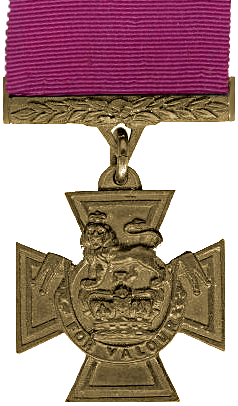
Captain, British Army
Support & adopt this hero ↓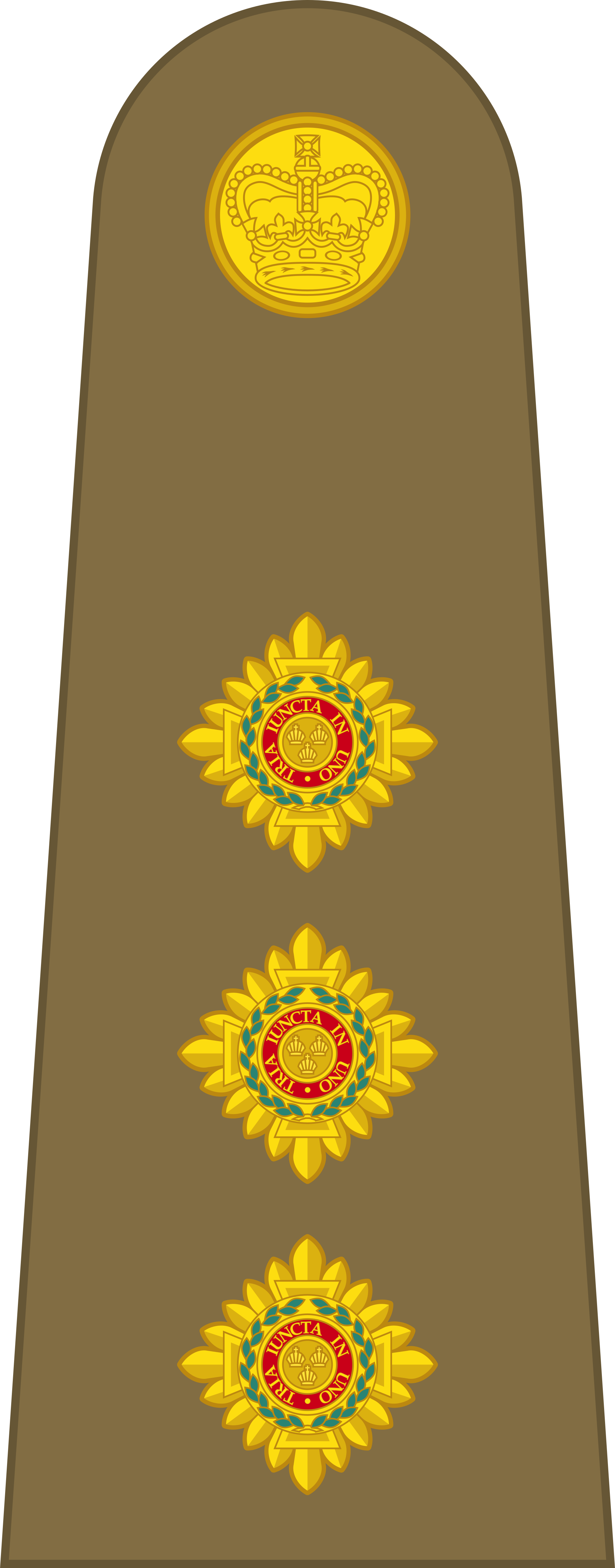
He rallied the guns and led his company through fierce fire.
James Joseph Bernard Jackman was born on 19 March 1916. Educated at Stonyhurst, he entered the Army and served with the Royal Northumberland Fusiliers. By the North African campaign he was a captain commanding Z Company of the 1st Battalion, a machine-gun battalion supporting the 70th Division.
During Operation Crusader, the Tobruk garrison attacked to meet the relieving Eighth Army. On 25 November 1941, near El Duda, British tanks and supporting troops came under intense anti-tank and machine-gun fire. Jackman advanced with the machine guns of his company and brought them into action despite the exposed ground.
He moved among the guns, giving orders and encouraging their crews while the firing continued. His example steadied the troops around him and helped the advance regain momentum. The official citation emphasized his personal leadership and disregard of danger rather than a single isolated act.
Jackman was killed on 26 November, the day after the principal action described in his Victoria Cross citation. He was twenty-five. The award was announced posthumously in March 1942, recognizing his contribution to the fighting that broke the isolation of Tobruk.
He was buried in Tobruk War Cemetery. His family later placed the Victoria Cross on permanent loan at Stonyhurst, where it became part of the college’s remembrance of former pupils who served in war.
Official Victoria Cross citation The London Gazette, 31 March 1942, page 1437:
Lieutenant (temporary Captain) James Joseph Bernard Jackman (69102), The Royal Northumberland Fusiliers (Dunlaoghaire, Co. Dublin).
On 25th November, 1941, at Ed Duda, South East of Tobruk, Captain Jackman showed outstanding gallantry and devotion to duty above all praise when he was in command of a Machine Gun Company of The Royal Northumberland Fusiliers in the Tank attack on the Ed Duda ridge. His magnificent bearing was contributory in a large measure to the success of a most difficult and hard fought action. As the tanks reached the crest of the rise they were met by extremely intense fire from a large number of guns of all descriptions: the fire was so heavy that it was doubtful for a moment whether the Brigade could maintain its hold on the position.
The tanks having slowed to "hull-down" positions, settled to beat down the enemy fire, during which time Captain Jackman rapidly pushed up the ridge leading his Machine Gun trucks and saw at once that Anti-Tank Guns were firing at the flank of the tanks, as well as the rows of batteries which the tanks were engaging on their front.
He immediately started to get his guns into action as calmly as though he were on manoeuvres and so secured the right flank. Then, standing up in the front of his truck, with calm determination he led his trucks across the front between the tanks and the guns—there was no other road—to get them into action on the left flank.
Most of the tank commanders saw him, and his exemplary devotion to duty regardless of danger not only inspired his own men but clinched the determination of the tank crews never to relinquish the position which they had gained.
Throughout he coolly directed the guns to their positions and indicated targets to them and at that time seemed to bear a charmed life but later he was killed while still inspiring everyone with the greatest confidence by his bearing.
Become the named supporter for this profile and edit the tribute biography and portrait (Owner account required). Proceeds help keep the archive online.
$25 USD / year — annual sponsorship renewal. Keeps the page online and, where enabled, the family anniversary remembrance emails active.