★
Loading archive…
Loading archive…
Sergeant , U.S. Marine Corps
Support & adopt this hero ↓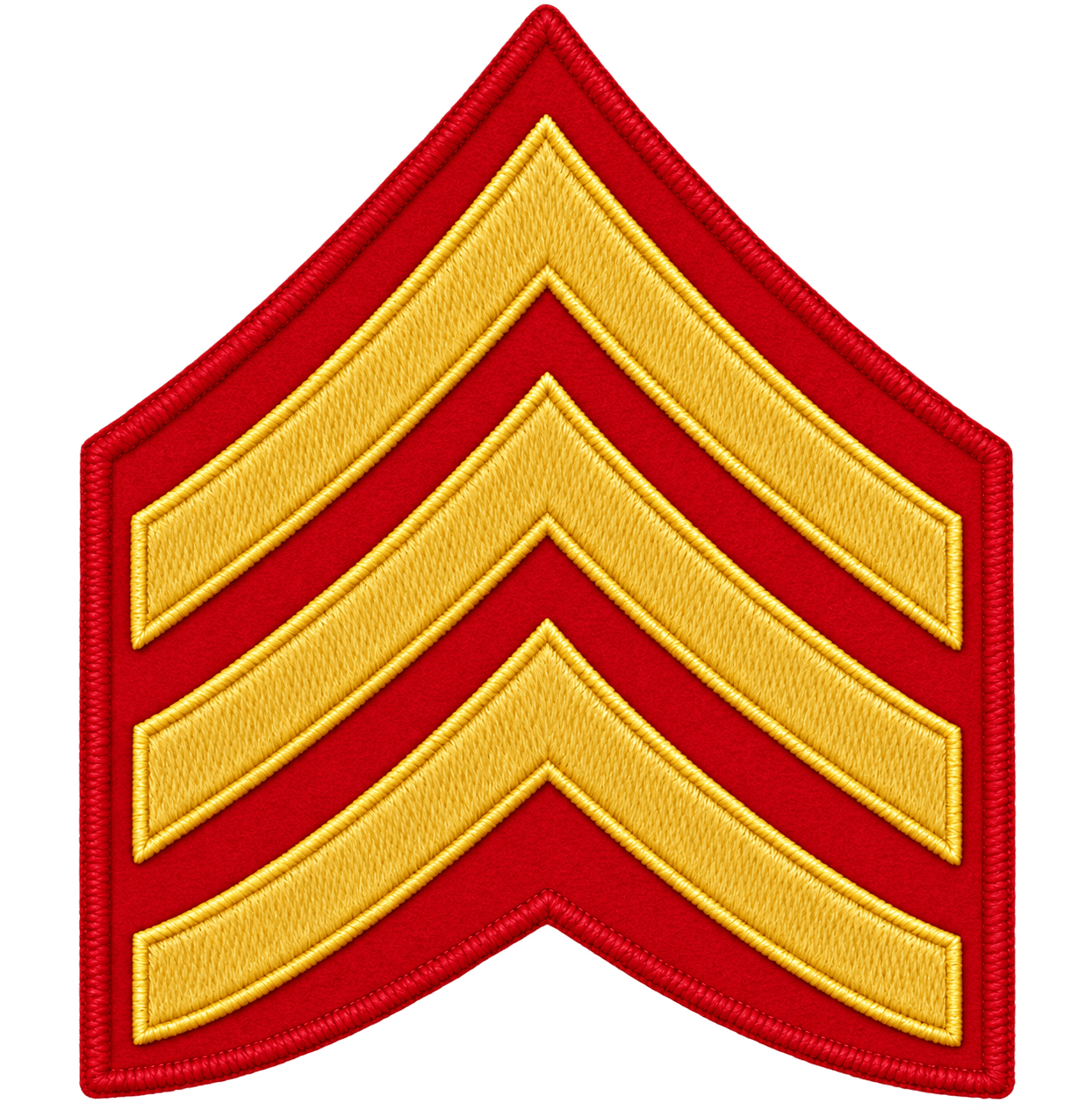
He Kept His Gun Fighting Through the Fire of Mobile Bay
James Martin was born in 1826 in Derry, Ireland. He later came to the United States and entered the United States Marine Corps, beginning a long military career that eventually placed him aboard USS Richmond during one of the most important naval battles of the American Civil War.
Martin enlisted in the Marine Corps on July 9, 1847. Over the following years, he developed the experience and discipline expected of a career Marine. By the Civil War he had attained the rank of sergeant and was serving with the Marine detachment aboard USS Richmond, a steam sloop-of-war that became heavily involved in Union naval operations along the Gulf Coast and Mississippi River.
Marines aboard Navy warships performed a variety of duties. They maintained discipline, provided armed security, participated in landing operations, and fought alongside sailors during ship-to-ship and shore bombardment actions. During major naval engagements, Marines could also serve directly with the ship’s guns.
By the summer of 1864, Mobile Bay, Alabama, remained one of the Confederacy’s most important Gulf ports. Its entrance was protected by Fort Morgan, Fort Gaines, Confederate gunboats, underwater mines then commonly called torpedoes, and the powerful ironclad CSS Tennessee.
Rear Admiral David G. Farragut assembled a Union fleet to force its way through these defenses.
USS Richmond was among the vessels selected for the attack.
On August 5, 1864, the Union fleet entered Mobile Bay under intense Confederate fire.
Sergeant James Martin was serving as captain of a gun aboard USS Richmond.
The responsibility of a gun captain was demanding. He had to direct the gun crew, maintain discipline, supervise the loading and firing process, and keep the weapon operating despite smoke, noise, casualties, damage, and enemy fire.
The Battle of Mobile Bay placed Martin and his crew under exactly those conditions.
Confederate artillery from the forts opened fire as the Union ships advanced. The attacking fleet also faced enemy gunboats and the heavily armored CSS Tennessee. Shells struck Union vessels, men were killed and wounded, and the battle became a sustained test of discipline and courage.
USS Richmond suffered damage during the engagement, and members of her crew became casualties.
Martin remained at his gun.
For approximately two hours of intense combat, he continued directing the weapon with skill and courage while the battle raged around him. His Medal of Honor record specifically recognized the effectiveness with which he fought his gun despite the severe enemy fire and the casualties suffered aboard Richmond.
The engagement was one of the most dramatic naval battles of the Civil War.
Early in the attack, the Union monitor USS Tecumseh struck a Confederate mine and sank rapidly. The loss demonstrated the extraordinary danger confronting the fleet, but Farragut continued the advance into the bay.
Once past the forts, the Union ships confronted Confederate naval forces directly.
CSS Tennessee became the principal target. Union vessels attacked the ironclad with gunfire and repeated ramming attempts until the Confederate ship was disabled and forced to surrender.
The Union victory at Mobile Bay broke Confederate naval resistance in the bay and severely reduced the strategic value of one of the South’s last major Gulf ports.
James Martin’s role in that victory was performed from the deck of USS Richmond.
He did not abandon his gun when shells struck the ship or when casualties occurred around him. He remained at his combat station and continued directing his crew through the battle.
For his conduct on August 5, 1864, Sergeant James Martin received the Medal of Honor.
His award was recorded under General Order No. 45, dated December 31, 1864. The decoration recognized his courage, skill, and devotion to duty during the Battle of Mobile Bay.
The Medal of Honor represented recognition of a specific act of distinguished combat service, but Martin’s military career extended far beyond that single battle.
He had already served in the Marine Corps for many years before Mobile Bay and remained in service long after the Civil War ended. His career ultimately lasted from 1847 until March 27, 1879, giving him more than three decades of military service.
Martin’s broader Civil War service is also represented by the Navy Civil War Campaign Medal.
The Navy’s Civil War campaign decoration was authorized in 1908 for qualifying service by members of the United States Navy and Marine Corps during the conflict. Although Martin had died before the medal was created, it represents his historical entitlement based on his qualifying Marine Corps service during the Civil War.
The Medal of Honor and the Navy Civil War Campaign Medal therefore recognize different aspects of his military record.
The Medal of Honor commemorates his specific courage aboard USS Richmond at Mobile Bay, while the Navy Civil War Campaign Medal represents his broader qualifying service during the American Civil War.
No devices are associated with either decoration.
Martin continued his Marine Corps career after the war until his retirement from service in 1879. His long career made him more than a veteran of a single celebrated engagement. He belonged to the generation of professional Marines whose service spanned decades of profound change in the United States and its naval forces.
James Martin died on October 29, 1895.
He was buried in Mount Moriah Cemetery in Philadelphia, Pennsylvania.
His military legacy remains most closely associated with August 5, 1864.
As USS Richmond fought through the defenses of Mobile Bay, Martin remained at his gun while Confederate fire struck the ship and casualties mounted around him.
For roughly two hours, he continued directing his crew and keeping his weapon in action.
For that courage, Sergeant James Martin received the Medal of Honor.
Together with the Navy Civil War Campaign Medal recognizing his broader qualifying service, his decorations preserve the story of a career United States Marine who stood at his gun through one of the Civil War’s fiercest naval battles and refused to abandon his duty.
Become the named supporter for this profile and edit the tribute biography and portrait (Owner account required). Proceeds help keep the archive online.
$25 USD / year — annual sponsorship renewal. Keeps the page online and, where enabled, the family anniversary remembrance emails active.