★
Loading archive…
Loading archive…
Corporal, U.S. Army
Support & adopt this hero ↓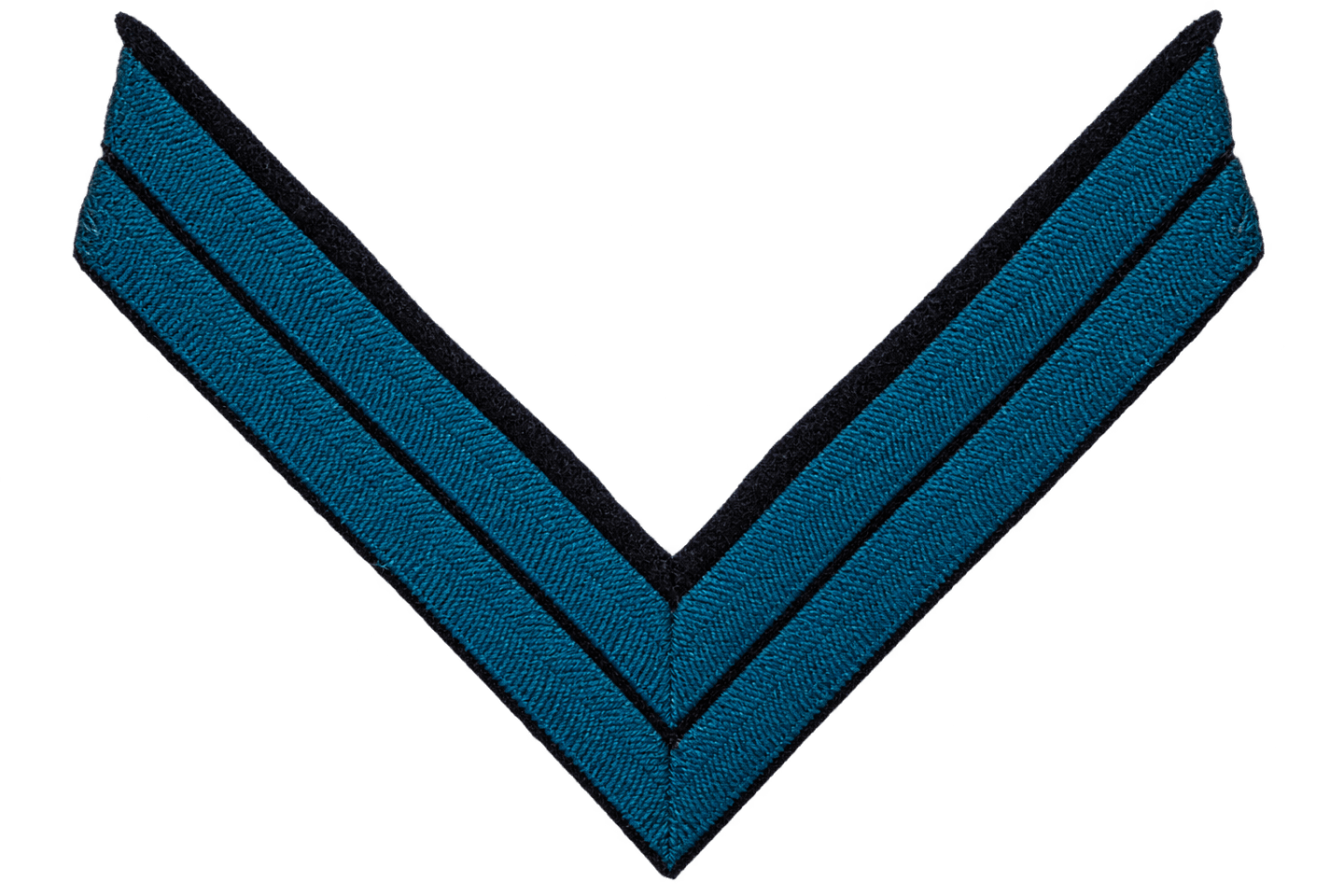
Wounded, He Fought Until His Ammunition Was Gone
John H. Wageman was born on March 22, 1841, in Amelia, Clermont County, Ohio. When the American Civil War entered its later stages, he joined the Union Army and became a soldier in Company I of the 60th Ohio Infantry. He enlisted as a Private on February 24, 1864, entering service at a time when the Union armies were preparing for the campaigns that would bring them into sustained and increasingly brutal combat around Richmond and Petersburg, Virginia.
The reorganized 60th Ohio Infantry became part of the Army of the Potomac and soon faced the realities of the Overland and Petersburg campaigns. Wageman had only been in military service for a matter of months when he found himself involved in one of the most demanding periods of the war.
By June 1864, Union forces under Lieutenant General Ulysses S. Grant had crossed the James River and were moving against Petersburg. The city was strategically vital because several railroads and roads supplying Richmond passed through it. Capturing Petersburg could threaten the Confederate capital and severely weaken General Robert E. Lee's ability to maintain his army.
Union troops launched a series of assaults against the Confederate defenses beginning in mid-June.
On June 17, 1864, Private John H. Wageman went into action at Petersburg with the 60th Ohio Infantry.
During the fighting, Wageman was severely wounded.
His injury did not immediately remove him from the battle.
Instead of withdrawing when wounded, he remained with his command and continued fighting. The official account of his Medal of Honor action records that he stayed in the engagement until he had fired every cartridge in his possession.
Only after his ammunition had been completely exhausted did his participation end.
Even then, Wageman was unable simply to walk away from the battlefield. His wounds were severe enough that he had to be carried from the field.
The combination of those details makes his action particularly striking. Wageman was not recognized for a single brief charge or for capturing an enemy flag. His distinction came from endurance under fire. Already wounded, he continued performing his duty beside his fellow soldiers and refused to leave while he still possessed ammunition with which to fight.
The combat around Petersburg on June 17 formed part of the Union Army's early attempts to break the Confederate defensive system before it could become fully established. Those assaults did not produce the rapid capture Grant had hoped for. Instead, Petersburg developed into a prolonged campaign characterized by trenches, fortified positions, artillery bombardments, raids, and repeated attempts to extend or penetrate the opposing lines.
For soldiers such as Wageman, the opening battles demonstrated how dangerous the campaign would become.
He survived his wounds and remained associated with the 60th Ohio Infantry. His military record later reflected advancement from Private to Corporal. He was promoted to Corporal on January 19, 1865, several months after the Petersburg action that would eventually bring him national recognition.
The promotion is important in understanding his record. Although Wageman ultimately reached the rank of Corporal, he was still a Private when he performed his Medal of Honor action on June 17, 1864.
The war ended the following spring after the collapse of the Confederate defenses around Petersburg and Richmond and Lee's surrender at Appomattox Court House. Wageman returned to civilian life carrying the effects and memories of a conflict in which he had been seriously wounded before reaching his twenty-fourth birthday.
Recognition for his courage did not come immediately.
More than three decades passed between the battle at Petersburg and the formal presentation of the Medal of Honor.
On July 27, 1896, John H. Wageman received the Medal of Honor for his conduct at Petersburg on June 17, 1864.
The award preserved the essential facts of his action: despite being severely wounded, he remained with his command and continued fighting until every cartridge he carried had been fired. His wounds were then so serious that he had to be carried from the battlefield.
No additional clasp, bar, star, or other device accompanied his Medal of Honor.
The delay between the action and the award meant that Wageman received the nation's highest military decoration more than thirty years after the Civil War had ended. By then, the young Private who had fought at Petersburg had become an aging veteran living in a country transformed by the conflict in which he had served.
Wageman survived into the twentieth century, living long enough to see the Civil War increasingly commemorated through veterans' organizations, battlefield memorials, reunions, and official recognition of individual acts of courage.
John H. Wageman died on January 9, 1916, in Williamsburg, Ohio. He was buried at Clover Cemetery in Williamsburg.
His Medal of Honor story is defined by persistence under extreme physical hardship. On June 17, 1864, he was wounded badly enough that he ultimately had to be carried from the field. Yet while ammunition remained in his cartridge box, he stayed with his command and continued fighting.
He did not leave because the danger had passed.
He left only after his ammunition was gone and his wounds made it impossible for him to continue.
That determination became the defining military achievement of John H. Wageman and, thirty-two years later, earned the former Private of the 60th Ohio Infantry the Medal of Honor.
Become the named supporter for this profile and edit the tribute biography and portrait (Owner account required). Proceeds help keep the archive online.
$25 USD / year — annual sponsorship renewal. Keeps the page online and, where enabled, the family anniversary remembrance emails active.