★
Loading archive…
Loading archive…
Captured 15 German soldiers, but when they realised he was unsupported
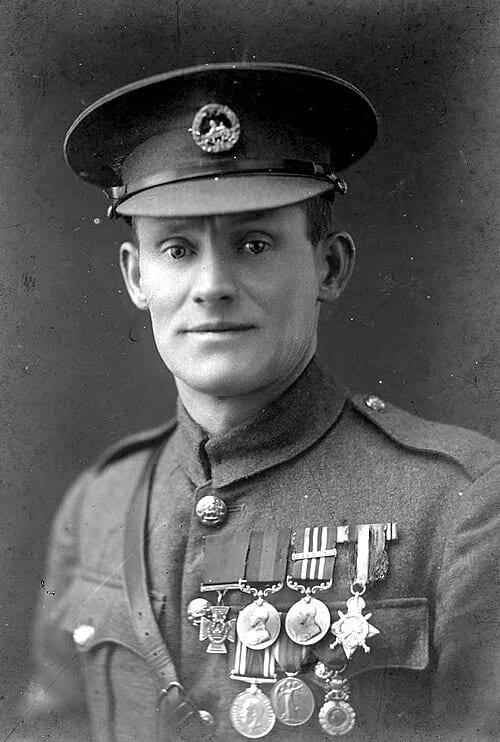
John Henry “Jack” Williams VC, DCM, MM & Bar – Welsh Victoria Cross Hero
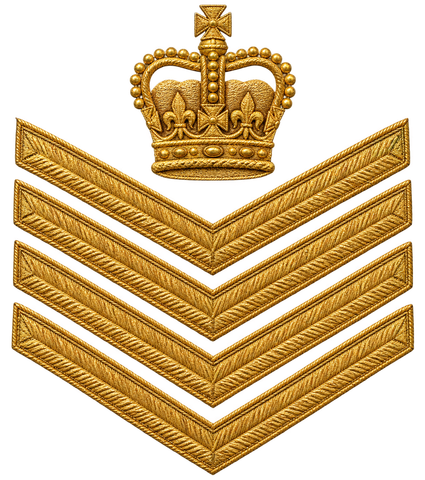
Company Sergeant Major John Henry “Jack” Williams VC, DCM, MM & Bar (29 September 1886 – 7 March 1953) was a highly decorated Welsh soldier, colliery blacksmith and First World War hero who served with the 10th Battalion, South Wales Borderers. Renowned for his extraordinary courage under enemy fire, Williams became one of Wales’s most distinguished non-commissioned officers, earning Britain’s highest military honour, the Victoria Cross, alongside several other prestigious gallantry decorations.
Born in Nantyglo, Monmouthshire, Williams worked in the South Wales coalfields before re-enlisting in the British Army in November 1914. Serving with the 38th (Welsh) Division on the Western Front, he repeatedly demonstrated exceptional bravery. His actions during the Battle of the Somme at Mametz Wood in July 1916 earned him the Distinguished Conduct Medal. He subsequently received the Military Medal for gallantry at Pilckem Ridge in 1917 and a Bar to the Military Medal for rescuing a wounded comrade near Armentières.
Williams secured his place in British military history during the attack on Villers-Outréaux, France, on 7–8 October 1918. When a German machine-gun position halted his company’s advance and inflicted heavy casualties, he directed covering fire before advancing alone to attack the enemy emplacement. He initially captured 15 German soldiers, but when they realised he was unsupported, they attempted to overpower him. Williams fought back, bayoneting five enemy soldiers and forcing the survivors to surrender again. His remarkable actions enabled British troops to continue their advance and earned him the Victoria Cross, announced in The London Gazette in December 1918.
Seriously wounded during the fighting, Williams survived the war and received his decorations from King George V at Buckingham Palace on 22 February 1919. His remarkable gallantry record also included the French Médaille Militaire, awarded in recognition of his distinguished wartime service.
Following the First World War, Williams returned to South Wales and worked for the local steel industry. During the Second World War, he served his country again as a captain in the Home Guard. He died in Newport on 7 March 1953 and was buried in Ebbw Vale Cemetery.
His legacy continues to be celebrated throughout Wales and the United Kingdom. His Victoria Cross is preserved at the Regimental Museum of The Royal Welsh in Brecon, while the Jack Williams Gateway Bridge, named in his honour in 2019 following a public vote, provides a lasting tribute to his courage and service.
John Henry “Jack” Williams remains an enduring symbol of Welsh military gallantry, remembered for his Victoria Cross action, multiple bravery awards and exceptional service during both world wars.
Become the named supporter for this profile and edit the tribute biography and portrait (Owner account required). Proceeds help keep the archive online.
$25 USD / year — annual sponsorship renewal. Keeps the page online and, where enabled, the family anniversary remembrance emails active.