★
Loading archive…
Loading archive…
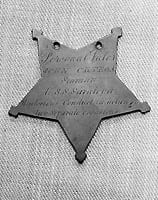
Master's Mate, U.S. Navy
Support & adopt this hero ↓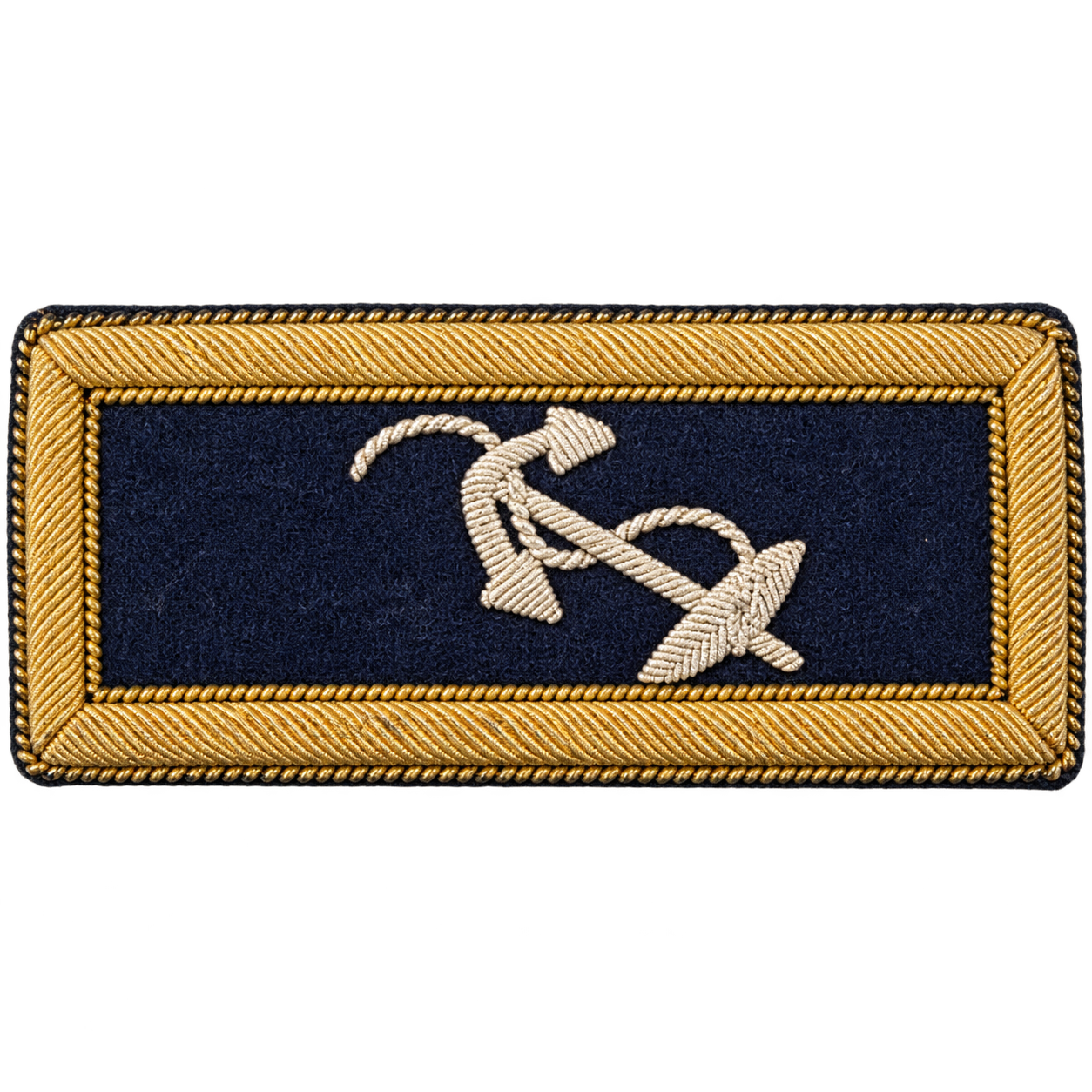
He Fought Twice With the Landing Parties of Saratoga
John Ortega was born in Spain in 1840 and later made his way to the United States. During the American Civil War, he entered the United States Navy and served aboard the sloop-of-war USS Saratoga, a vessel assigned to operations connected with the Union blockade of the Confederate coastline.
By 1864, USS Saratoga was serving with the South Atlantic Blockading Squadron. The squadron’s mission extended beyond simply watching Southern ports. Union warships also supported raids, reconnaissance, captures of supplies, and attacks against Confederate infrastructure along the coast.
Ortega served as a seaman during this period.
The work was demanding and dangerous. Sailors assigned to blockading vessels could be called upon not only to man guns and perform ordinary shipboard duties but also to leave the relative security of their vessels and join armed landing parties operating ashore.
It was during two such actions in August and September 1864 that Ortega performed the service for which he would receive the Medal of Honor.
The official record does not preserve exact individual dates for the two actions, but it clearly states that Ortega served during two engagements involving USS Saratoga and conducted himself with gallantry on both occasions.
The operations occurred along the Georgia coast during a period when Saratoga’s landing parties were actively striking Confederate positions and resources.
These expeditions could involve moving ashore in small boats, advancing through unfamiliar coastal terrain, confronting armed opposition, seizing prisoners, and destroying military supplies or facilities that supported the Confederate war effort. Sailors participating in such missions operated far from the protection of their ship and faced many of the same dangers as troops fighting on land.
Ortega took part in two of these actions.
During both, he performed his duties with courage and effectiveness under combat conditions. His conduct was considered significant enough to be formally recognized by the Navy.
The wording of his Medal of Honor citation emphasized that his gallantry was not limited to a single moment. He distinguished himself on two separate occasions.
That detail makes his case unusual among Civil War Medal of Honor recipients. Many awards recognized one clearly defined battlefield act, such as capturing a flag, rescuing wounded comrades, or remaining at a gun position under fire. Ortega’s recognition instead reflected repeated courage across two distinct combat operations.
His service aboard USS Saratoga also represented the broader character of Civil War naval warfare.
Union naval forces were essential to the blockade that gradually restricted Confederate access to overseas trade and military supplies. Yet ships like Saratoga were not passive sentries. Their crews frequently supported offensive operations against coastal positions, communications, supply points, and local military facilities.
Sailors like Ortega therefore moved between naval and land combat environments.
One day they might be serving aboard a warship offshore; on another, they could be armed and sent inland with a landing force.
Ortega proved himself capable in both roles.
His actions in 1864 were recognized under Navy General Order No. 45, dated December 31, 1864. Through that order, John Ortega received the Medal of Honor for the courage he had displayed during the two actions associated with USS Saratoga.
The award came while the Civil War was still being fought.
The Medal of Honor itself was still a young decoration. Created during the conflict, it became the highest national military award available to members of the United States armed forces. In the Navy, many early recipients were sailors who distinguished themselves in ship-to-ship combat, during bombardments, in rescue efforts, or while taking part in hazardous landing operations.
Ortega belonged to that generation of naval Medal of Honor recipients.
His award recognized not rank or command authority, but personal performance under dangerous conditions.
At the time of his Medal of Honor actions, Ortega held the rating of seaman. His conduct later brought further recognition in the form of advancement to Acting Master’s Mate, the highest verified rank associated with his naval career.
That promotion reflected the confidence placed in him after his wartime service.
His broader Civil War naval service also fell within the qualifying period represented by the Navy Civil War Campaign Medal. That decoration commemorates service by Navy and Marine Corps personnel during the Civil War. Ortega’s documented service aboard USS Saratoga in 1864 clearly placed him within the recognized wartime period.
No individual engagement service stars are associated with his Navy Civil War Campaign Medal.
The two decorations represent different aspects of his service. The Civil War Campaign Medal reflects his participation in Union naval operations during the conflict, while the Medal of Honor preserves the repeated gallantry he displayed during the two actions connected with USS Saratoga.
Far less is securely known about Ortega’s later life.
His surviving official Medal of Honor record preserves his Spanish birthplace, naval service, rank, ship, and the actions for which he was decorated, but reliable information about his death and burial has not been established.
That absence of later biographical detail makes his wartime record even more important.
What remains certain is that in the closing years of the Civil War, a Spanish-born sailor serving in the United States Navy went ashore with armed landing parties from USS Saratoga and proved himself under fire on two separate occasions.
He was not recognized for a single fortunate moment.
He was recognized for repeated courage.
John Ortega’s Medal of Honor stands as the lasting record of those two actions and of a sailor whose service carried him from the deck of a Union warship into dangerous operations along the Confederate coast.
On both occasions, he did his duty with gallantry.
The Navy remembered it, promoted him, and awarded him the Medal of Honor.
Become the named supporter for this profile and edit the tribute biography and portrait (Owner account required). Proceeds help keep the archive online.
$25 USD / year — annual sponsorship renewal. Keeps the page online and, where enabled, the family anniversary remembrance emails active.