★
Loading archive…
Loading archive…
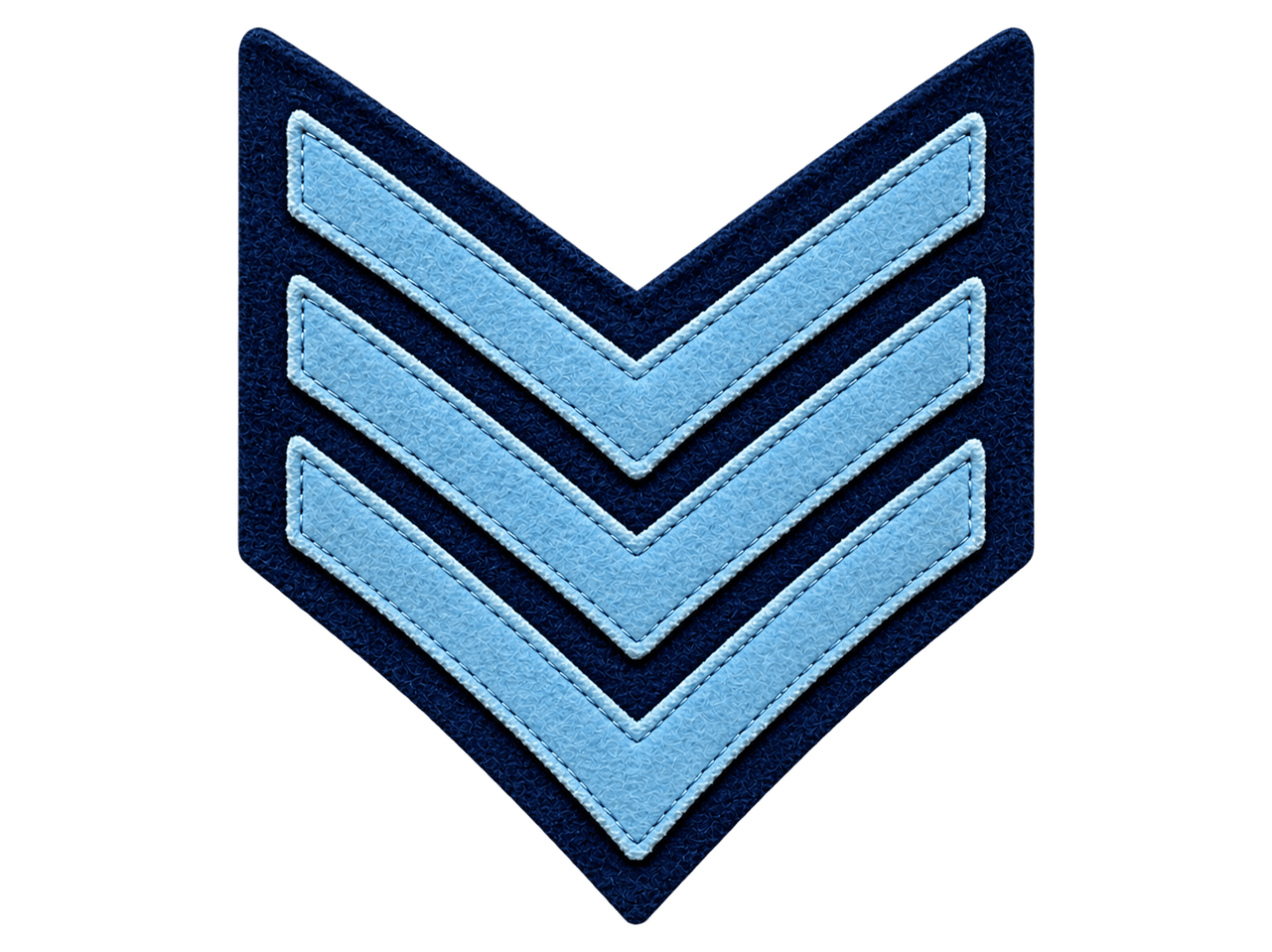
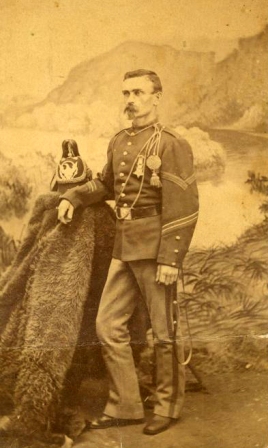
John W. Comfort was born in 1844 in Philadelphia, Pennsylvania. He came of age just as the United States was entering the American Civil War, and his military life eventually stretched across two very different periods of nineteenth-century Army history: first the Civil War and later the long frontier campaigns generally grouped under the American Indian Wars. His Medal of Honor record is officially accredited to Philadelphia, the city where he was born and where he later died. Congressional Medal of Honor Society Comfort entered military service while still very young. Available service chronology records him joining the 29th Pennsylvania Volunteer Infantry on June 20, 1861, during the first year of the Civil War. He later reenlisted while serving in Tennessee, and by the end of 1863 he had advanced to Sergeant. His Civil War service placed him with Union forces operating in the Western and Southern theaters during the later years of the conflict. victoriacrossonline.co.uk The 29th Pennsylvania Infantry served in campaigns around Tennessee, Georgia, and the Carolinas. Comfort’s surviving service chronology associates him with operations in the Chattanooga area and with later Union advances through Georgia and the Carolinas. He remained in volunteer service until July 17, 1865, when he was honorably discharged after the Civil War had effectively ended. victoriacrossonline.co.uk Rather than leave military life permanently, Comfort chose to continue serving. Several months after his Civil War discharge, he entered the Regular United States Army. His postwar service initially took him into the 1st U.S. Artillery, including duty in the South during the Reconstruction period. This transition is important because Comfort was not simply a one-war volunteer. He developed into a professional soldier whose career extended far beyond 1865. victoriacrossonline.co.uk By 1870, Comfort had reenlisted again and moved into cavalry service on the Texas frontier. He became associated with Company A, 4th U.S. Cavalry, one of the Regular Army units heavily involved in frontier operations during the Indian Campaigns. This was the organization in which he performed the action that earned him the Medal of Honor. At the time of his heroic action, Comfort held the rank of Corporal. His highest verified rank later in his career was Sergeant. That distinction is important for the final profile: Rank at Medal of Honor action: Corporal Highest Verified Rank: Sergeant The main database rank is therefore correctly set to Sergeant, while the Medal of Honor section must identify him as Corporal John W. Comfort. Staked Plains, Texas — November 5, 1874 The defining event of Comfort’s career occurred on November 5, 1874, on the Staked Plains of Texas. The Staked Plains—better known as the Llano Estacado—formed a huge, difficult region of the southern Great Plains. During the 1870s, U.S. Army cavalry units were conducting extended military operations there as part of the broader Indian Campaigns. Comfort was serving with Company A, 4th U.S. Cavalry when he became involved in the action later recognized by the Medal of Honor. The official citation is remarkably short, typical of many nineteenth-century awards. It records that Comfort pursued and killed a Native American combatant during the action. The wording of the nineteenth-century citation is extremely terse and reflects the terminology of the period. What matters historically is that Army authorities regarded Comfort’s conduct as an act of exceptional personal courage performed away from immediate support. The Congressional Medal of Honor Society confirms the essential details: Rank: Corporal Unit: Company A, 4th U.S. Cavalry Action Date: November 5, 1874 Location: Staked Plains, Texas Conflict: Indian Campaigns. Congressional Medal of Honor Society Later biographical material records that Comfort had become separated from nearby soldiers during the action and continued the pursuit on his own. His conduct was subsequently praised as an example of conspicuous personal gallantry. victoriacrossonline.co.uk This event was not an infantry assault, artillery engagement, or sniper mission. Comfort was a cavalryman, which is why the database classification: Armor / Cavalry is historically the best fit for his defining combat specialty. Medal of Honor Comfort’s principal verified decoration was the Medal of Honor, the highest military decoration of the United States. The Army Medal of Honor had been created during the Civil War, when President Abraham Lincoln approved legislation establishing the Army version in 1862. It remained the nation’s central decoration for extraordinary military gallantry during the decades that followed. Comfort’s heroic action took place on: November 5, 1874 — Staked Plains, Texas His Medal of Honor was formally presented on: October 13, 1875. Congressional Medal of Honor Society The award was made during his lifetime and was not posthumous. For the VictoriaCross.ca database, his verified decoration is correctly represented as: Medal of Honor 1862–1895 Army — 1875 — No device or clasp No star, bar, oak leaf cluster, clasp, or other ribbon device has been verified for Comfort’s Medal of Honor. His final ribbon therefore remains plain. The year 1875 represents the formal presentation year, while 1874 remains the year of the battlefield action. Those dates should never be combined or confused. Why the Civil War Campaign Medal Is Not Included Comfort clearly performed Civil War service. However, the Civil War Campaign Medal was created decades after the Civil War ended. A veteran’s presence in a qualifying conflict does not automatically prove that the individual was actually issued or officially entitled to the later campaign medal. For this project, recipient-specific evidence is required. No sufficiently strong individual issuance record has been established for Comfort. Therefore: Civil War Campaign Medal — HOLD / DO NOT ADD His Civil War service remains part of his biography, but the campaign medal does not enter the verified ribbon rack simply because his service appears historically eligible. Why the Indian Campaign Medal Is Not Included The same evidentiary rule applies to the Indian Campaign Medal. Comfort’s 1874 Medal of Honor action unquestionably occurred during the Indian Campaigns. But documented combat service is not the same thing as documented receipt or individual entitlement to a later campaign medal. No recipient-specific issue record has been sufficiently established for John W. Comfort. Therefore: Indian Campaign Medal — HOLD / DO NOT ADD This treatment follows the project’s zero-assumption rule: a medal is included only when evidence demonstrates that this individual was entitled to this specific medal, not merely that his service dates appear to qualify. Continuing Army Service Comfort continued serving after receiving the Medal of Honor. Biographical service records indicate that he remained in the Regular Army and later returned to artillery assignments, including service connected with the 1st U.S. Artillery. His military career therefore moved through several different arms of the Army: Volunteer Infantry during the Civil War Regular Army Artillery after the war 4th U.S. Cavalry during his Medal of Honor period and later additional artillery service. victoriacrossonline.co.uk This explains an important distinction in his database profile. His overall military career included infantry, artillery, and cavalry experience, but the Combat Achievement Modifier is intended to reflect the specialty most directly associated with his defining heroic action. For that reason: Armor / Cavalry remains the correct selection. Multi-War Service Comfort’s service also correctly qualifies for the database’s Multi-Service or Multi-War setting—not because he served in different branches, but because his Army career extended across two distinct conflicts: American Civil War and American Indian Wars He remained a United States Army soldier throughout. Therefore, the database’s Multi-War ON setting is historically appropriate. Later Rank Comfort eventually attained the rank of Sergeant. This was the highest verified rank associated with his service and is therefore the correct primary rank for the hero profile. The correct historical distinction remains: Highest Rank: Sergeant Medal of Honor Action Rank: Corporal The Sergeant insignia currently selected in the database is therefore correct. Retirement and Final Years Comfort’s long Army career extended well beyond the 1874 Staked Plains action. Published service chronology records that he remained connected with the Army until 1892, after decades of military service beginning during the Civil War. victoriacrossonline.co.uk By the time he left military life, the Army in which he had first enlisted as a teenager had changed dramatically. He had served through the Civil War generation, Reconstruction, frontier cavalry campaigns, and the professionalization of the late nineteenth-century Regular Army. His own career reflected those changes. He had begun as a young volunteer infantryman. He became a noncommissioned officer. He served in artillery. He became a cavalry soldier on the Texas frontier. He earned the Medal of Honor. And he eventually completed a military career lasting across several decades. John W. Comfort died on November 29, 1893, in Philadelphia, Pennsylvania. He was buried at Mount Peace Cemetery, in what is now Rockledge, Pennsylvania. The Congressional Medal of Honor Society records his grave as Section H, Lot 261, Grave 4. Congressional Medal of Honor Society Final Verified Medal History John W. Comfort’s final published ribbon rack should remain: Medal of Honor 1862–1895 Army — 1875 — No device or clasp The following are intentionally not included: Civil War Campaign Medal — HOLD / not recipient-specifically verified Indian Campaign Medal — HOLD / not recipient-specifically verified Thus, his verified medal count remains: 1 Medal But the small number of ribbons does not reflect a small military career. John W. Comfort served through two very different eras of United States Army history. He entered the military during the Civil War, continued into the Regular Army, served in artillery and cavalry, fought on the Texas frontier, earned the nation’s highest military decoration for personal gallantry at the Staked Plains in 1874, later rose to Sergeant, and remained associated with military service until near the end of his life. His legacy rests above all on the action of November 5, 1874. On that day, while serving as Corporal, Company A, 4th U.S. Cavalry, Comfort acted independently during combat on the Staked Plains. The Army judged his conduct sufficiently extraordinary to award him the Medal of Honor on October 13, 1875. His final historical profile is therefore: Full Name: John W. Comfort Branch: United States Army Rank at Medal of Honor Action: Corporal Highest Verified Rank: Sergeant Unit at Heroic Action: Company A, 4th U.S. Cavalry Conflicts: American Civil War; American Indian Wars Defining Action: Staked Plains, Texas — November 5, 1874 Verified Decoration: Medal of Honor 1862–1895 Army — 1875 — No device or clasp From a teenage Civil War volunteer to a veteran Regular Army sergeant and Medal of Honor recipient, John W. Comfort’s life represents a military career that stretched across more than one generation of American warfare.
Become the named supporter for this profile and edit the tribute biography and portrait (Owner account required). Proceeds help keep the archive online.
$25 USD / year — annual sponsorship renewal. Keeps the page online and, where enabled, the family anniversary remembrance emails active.