★
Loading archive…
Loading archive…
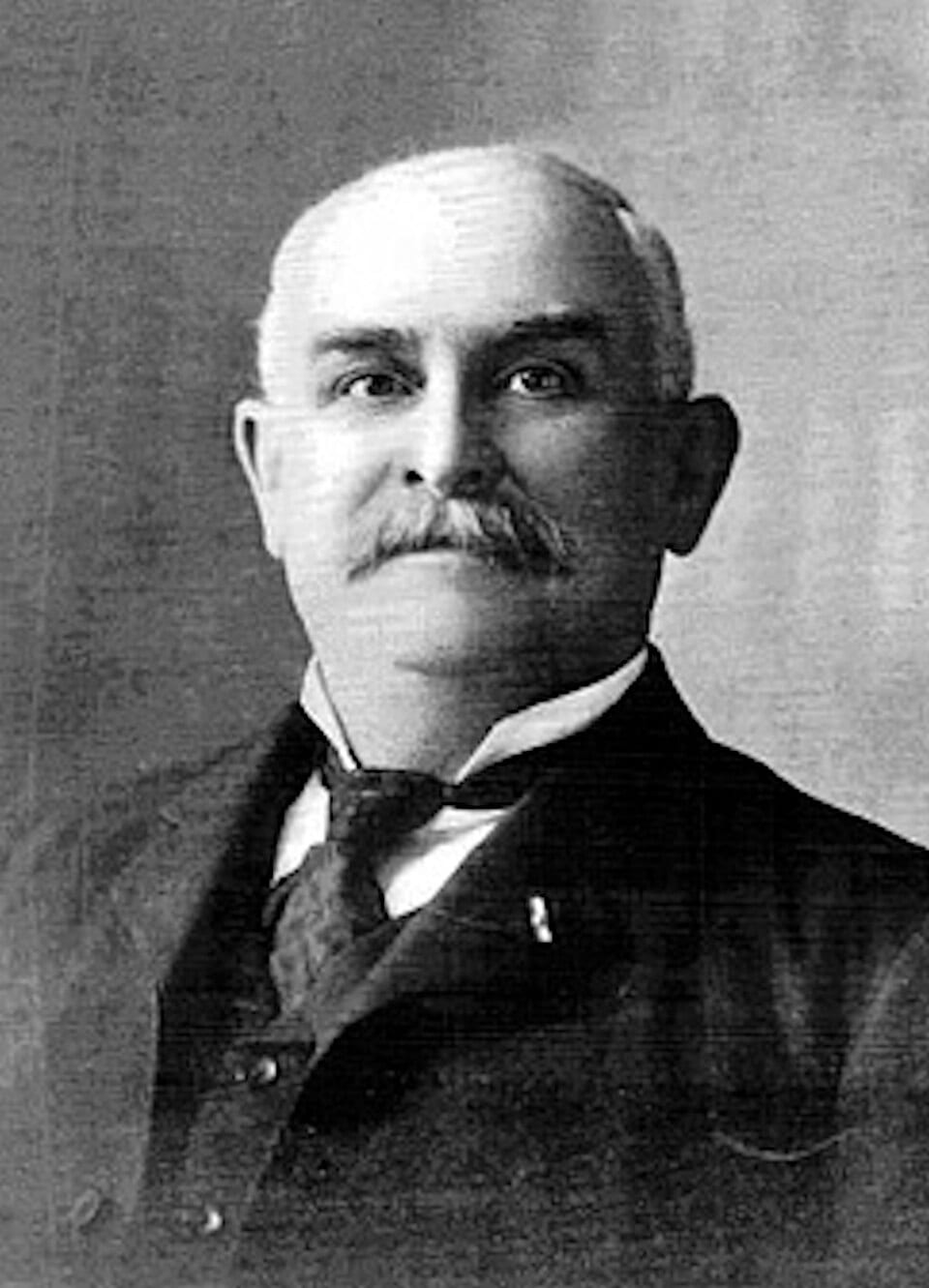
Private, U.S. Army
Support & adopt this hero ↓
Union private stood by his wounded comrades near Carrsville.
At 19, this infantryman earned the Medal of Honor by handing his rifle to a sergeant and going back into the gunfire for two wounded comrades. The order had been to retreat.
Joseph Sewell Gerrish Sweatt was born on 23 October 1843 in Boscawen, New Hampshire. By 1862 he was a moulder in Lowell, Massachusetts, and on 31 August he enlisted in Company C of the 6th Massachusetts Infantry, a nine-month regiment that served through the fall and winter in the Blackwater region of southeastern Virginia and helped defend Suffolk against a large Confederate force under General Longstreet.
On 15 May 1863, at Carrsville, Virginia, his company could muster only twenty-eight men, because so many were sick. It was thrown forward as skirmishers into the edge of the woods, and the firing turned furious at once. In less than fifteen minutes, more than a third of the company was killed or wounded. Then came the order to fall back.
As the line pulled back, a soldier from another company came asking after his son, a member of Sweatt's company. Word came that Anson Thurston and George Fox were lying near the edge of the woods, both wounded. Sweatt saw the father's face go white. By his own account, that look decided it. He handed his rifle to a sergeant and called out for a volunteer.
David Goodhue answered at once. He threw down his own rifle, and the two men set off across the open ground between the lines without a rifle between them. The closer they got, the thicker the bullets flew. They reached the wounded, but as they lifted Fox from the ground, Goodhue was mortally wounded. Another shot struck Fox as Sweatt carried him.
By then the guns covering the retreat had fallen silent and the whole Union line was falling back. Confederate infantry, heavily reinforced, charged out of the woods. There was no way to reach safety. Sweatt and the wounded were taken prisoner.
Of the four men in that field, only Sweatt lived. Thurston, a 21-year-old student, died of his wounds on 17 May near Franklin, Virginia. Fox, a 21-year-old carpenter, died on 18 June. Goodhue, a 28-year-old shoemaker, died in Libby Prison in Richmond on 30 June. Sweatt never forgot his last sight of Goodhue, kneeling at a window in Franklin, left behind among strangers.
The Medal of Honor reached him nearly thirty years later, on 22 March 1892. Its citation praises the very instinct that had sent him back into the fire: "When ordered to retreat this soldier turned and rushed back to the front, in the face of heavy fire of the enemy, in an endeavor to rescue his wounded comrades, remaining by them until overpowered and taken prisoner."
After the war, Sweatt worked in Charlestown, at the Boston Navy Yard and as a fireman, and later built his own firm, Sweatt & Chase, which he left in 1901. He died on 14 February 1914 in East Billerica, Massachusetts, and is buried at Oak Grove Cemetery in Medford.
He was nineteen when he handed over his rifle and went back for his comrades, and the country took nearly three decades to say thank you. The story of Joseph S. G. Sweatt is a reminder that the Medal of Honor is sometimes won in the instant a soldier decides not to leave anyone behind.
Become the named supporter for this profile and edit the tribute biography and portrait (Owner account required). Proceeds help keep the archive online.
$25 USD / year — annual sponsorship renewal. Keeps the page online and, where enabled, the family anniversary remembrance emails active.