★
Loading archive…
Loading archive…

Corporal, U.S. Army
Support & adopt this hero ↓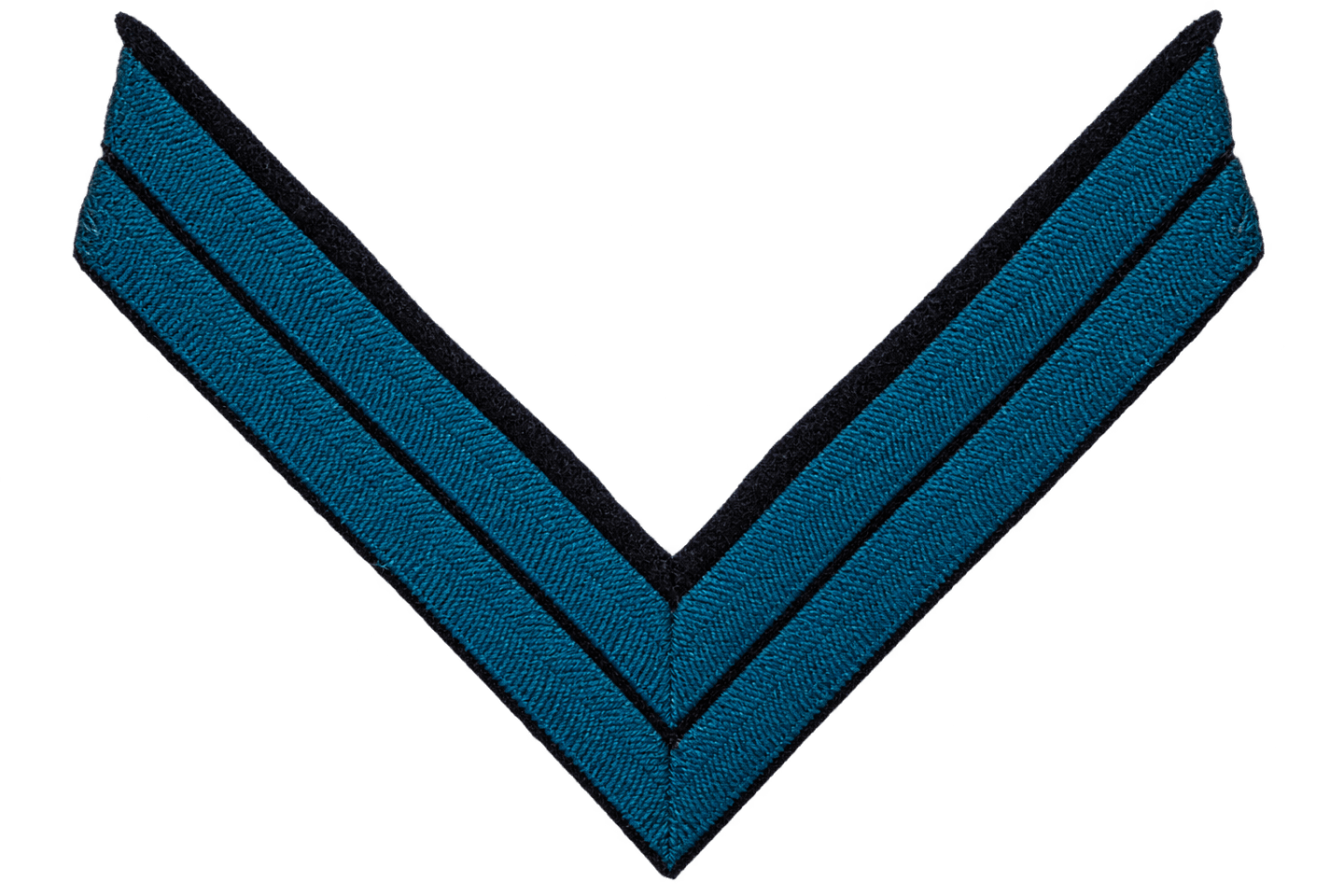
Badly wounded, he planted the colors atop Marye’s Heights!
Lowell Mason Maxham was an American Civil War soldier and Medal of Honor recipient whose military service was distinguished by his actions at Marye's Heights, Fredericksburg, Virginia, on May 3, 1863. Serving as a corporal in Company F of the 7th Massachusetts Volunteer Infantry, he advanced against Confederate defenses despite suffering a severe wound. His participation in the assault earned him the Medal of Honor in 1896, while the injury he sustained continued to affect his health for decades.
Maxham was born on December 6, 1841, in Carver, Plymouth County, Massachusetts. His early life is not extensively documented in the surviving biographical record. By the outbreak of the American Civil War, he was associated with Taunton, Massachusetts, the community to which his Medal of Honor was later accredited.
His military service began on June 15, 1861, when he entered the 7th Massachusetts Volunteer Infantry. He served in Company F and attained the rank of corporal. The regiment became part of the Union Army's operations in Virginia, participating in the larger military campaigns directed against Confederate forces defending Richmond and the surrounding region.
The defining event of Maxham's military career occurred on May 3, 1863, during the Second Battle of Fredericksburg, an engagement associated with the Chancellorsville Campaign. Union forces under Major General John Sedgwick attacked the Confederate defensive positions at Marye's Heights, a fortified elevation overlooking Fredericksburg. The position had been the scene of costly Union attacks during the previous December's Battle of Fredericksburg.
On May 3, Union troops again advanced against the heights. Confederate defenders occupied fortified positions, and the attacking soldiers encountered concentrated fire as they approached the defensive works. The 7th Massachusetts Infantry participated in the operation as part of the Union forces seeking to capture the position.
During the assault, Corporal Maxham was severely wounded. Nevertheless, he continued forward under deadly enemy fire at close range. He was among the first Union soldiers to enter the Confederate works on the crest of Marye's Heights and helped plant his regiment's colors there.
The action was subsequently recognized in his official Medal of Honor citation, which emphasized his continued advance despite his wound and the danger posed by the defending Confederate troops. The citation specifically identified his participation in reaching the enemy's fortifications and assisting in placing the regimental colors. The Union forces captured Marye's Heights, although the broader Chancellorsville Campaign continued beyond the fighting at Fredericksburg.
Maxham's wound had serious consequences. A gunshot struck the lower left side of his jaw, fracturing the bone and causing extensive damage. The injury required the removal of portions of his jawbone and left him with lasting difficulties that affected his ability to eat and perform ordinary activities. His military service ended on August 18, 1863, when he was discharged on a surgeon's certificate of disability.
Following his discharge, Maxham returned to civilian life in Massachusetts. On January 1, 1866, he married Annette Augusta King of Raynham, Massachusetts. Their marriage formed part of his postwar life, although the surviving records provide comparatively limited information about his family and domestic circumstances.
Maxham maintained connections with military and veterans' organizations after the war. On May 16, 1887, he was admitted to the Ancient and Honorable Artillery Company of Massachusetts, a historic military organization with longstanding traditions in the state.
More than thirty-three years after his actions at Fredericksburg, Maxham received the Medal of Honor on August 24, 1896. The decoration formally recognized his gallantry at Marye's Heights while serving as a corporal in the 7th Massachusetts Infantry. His recognition came long after his disability had ended his active Civil War service.
Maxham also pursued technical inventions during his civilian years. In the late nineteenth century, he developed an electric third-rail system intended for railway transportation. His invention was granted United States Patent No. 623,610 on April 25, 1899. The patent described a mechanism designed to control electrical contact between a third rail and a moving railway car.
Despite his postwar activities, the physical effects of his wartime injury remained substantial. In 1906, his disability became the subject of congressional consideration when legislation was introduced to increase his military pension. A United States Senate committee report documented the continuing damage to his jaw, significant hearing impairment, and related medical difficulties.
The report described the long-term consequences of his injury, including difficulty chewing and the effects of extensive hearing loss on his ability to obtain employment. It also recorded his financial hardship and the limitations that his disabilities imposed upon his everyday life. The committee recommended an increase in his pension, recognizing both his wartime service and the severity of his continuing disabilities.
These proceedings provide an unusually detailed account of the lasting personal consequences of Maxham's Civil War service. Although his Medal of Honor recognized a single documented act of gallantry, his subsequent medical and pension records illustrate how the wounds sustained during that action continued to shape his circumstances many years after the fighting had ended.
Lowell Mason Maxham died on February 13, 1931, at the age of eighty-nine. He was buried in Mayflower Hill Cemetery in Taunton, Massachusetts.
His name was also preserved in his former community through Lowell M. Maxham Elementary School in Taunton. His documented military distinction remains his Medal of Honor for advancing into the Confederate works at Marye's Heights on May 3, 1863, despite a severe wound—an action recorded in the official history of the American Civil War's recipients of the nation's highest military decoration.
Become the named supporter for this profile and edit the tribute biography and portrait (Owner account required). Proceeds help keep the archive online.
$25 USD / year — annual sponsorship renewal. Keeps the page online and, where enabled, the family anniversary remembrance emails active.