★
Loading archive…
Loading archive…

The Relentless Ace Who Ruled the Skies
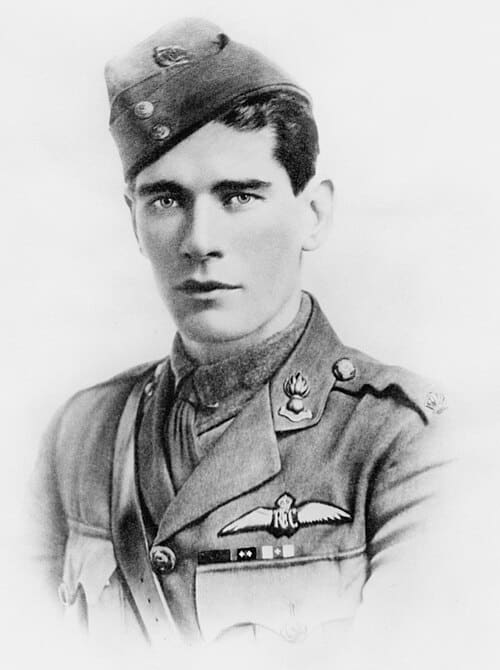
Some warriors charge into battle without fear. Mick Mannock fought with fear—and conquered it every single time. Haunted by the dangers of aerial combat yet driven by an unbreakable sense of duty, Edward “Mick” Mannock became one of the deadliest and most respected fighter aces of the First World War. By the time of his death, he had achieved 61 confirmed aerial victories, making him one of Britain’s highest-scoring flying aces and one of the greatest combat pilots in military history. Edward Mannock
Born on 24 May 1887 in Ballincollig, Mannock’s early life was marked by hardship. He grew up in poverty, faced personal struggles, and even suffered impaired vision in one eye—an obstacle that should have ended any dream of flying. Yet Mannock possessed extraordinary determination. When the First World War erupted, he joined the Royal Army Medical Corps before transferring to the Royal Flying Corps, where his true potential emerged.
Unlike many flamboyant fighter aces, Mannock was intensely analytical and disciplined. He studied aerial combat obsessively, developing tactics that emphasized surprise, altitude advantage, and teamwork. He trained younger pilots not to chase glory but to survive and win. His leadership turned raw aviators into lethal combat flyers.
As the air war over the Western Front intensified, Mannock’s skill became legendary. He destroyed enemy aircraft with ruthless efficiency while constantly placing himself at the center of the most dangerous engagements. His courage earned a remarkable series of decorations: the Military Cross and Bar, the Distinguished Service Order and Two Bars, and ultimately the Victoria Cross, Britain’s highest award for gallantry.
Despite his success, Mannock never romanticized war. He understood its brutality better than most and carried the emotional burden of every sortie. Friends described him as deeply thoughtful, intensely loyal, and fiercely protective of the young pilots under his command. His greatness came not only from victories, but from leadership and responsibility.
On 26 July 1918, while attacking enemy ground positions near the front lines in France, Mannock’s aircraft was hit by ground fire and crashed behind enemy lines. He was killed at the age of just 31.
Yet his legend only grew after his death. Mick Mannock was more than a flying ace—he was a master tactician, a mentor, and a warrior who transformed fear into discipline. His story endures because he proved that courage is not the absence of fear, but the triumph over it.
Become the named supporter for this profile and edit the tribute biography and portrait (Owner account required). Proceeds help keep the archive online.
$25 USD / year — annual sponsorship renewal. Keeps the page online and, where enabled, the family anniversary remembrance emails active.