★
Loading archive…
Loading archive…
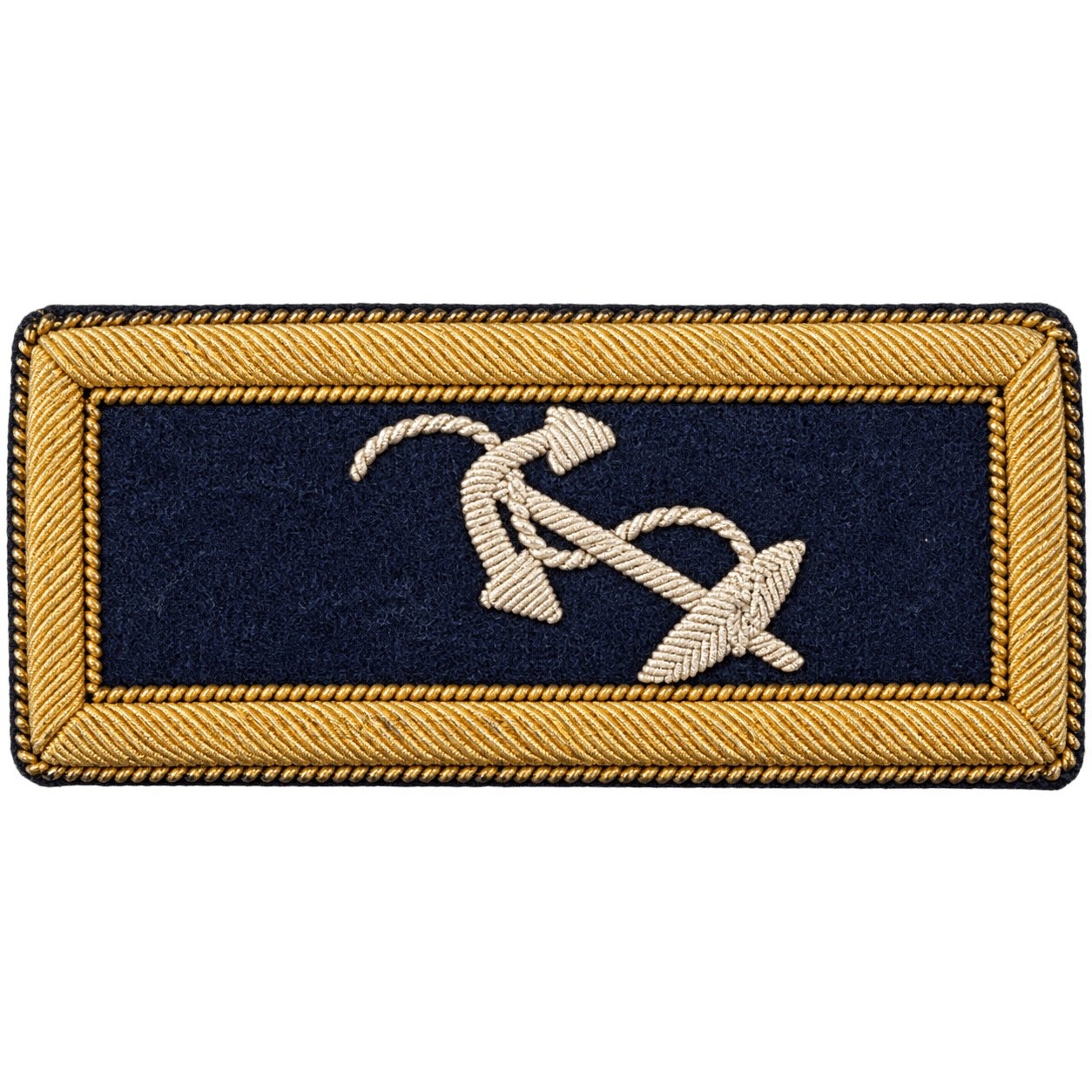
Under Fire at Charleston Harbor
Oliver Albert O’Brien was a United States Navy sailor and Medal of Honor recipient who distinguished himself during the American Civil War. Serving as a coxswain in the Union Navy, he demonstrated exceptional courage during a dangerous boarding operation against the Confederate blockade runner *Beatrice* near Sullivan’s Island, South Carolina, on November 28, 1864. Despite heavy artillery fire from Fort Moultrie, O’Brien led one of the boarding launches toward the stranded vessel and carried out his responsibilities with remarkable determination. His actions earned him the Medal of Honor and recognition for his contribution to Union naval operations around Charleston Harbor.
O’Brien was born in approximately 1839 in Boston, Massachusetts. Although little reliable information survives about his childhood, education, or family background, records establish that he was living in Boston when he entered naval service. His military recognition was subsequently accredited to that city.
During the Civil War, O’Brien served in the United States Navy as a coxswain. This position involved handling and directing a ship’s boat, a responsibility that required practical seamanship and the ability to operate safely in difficult conditions. His service brought him into the naval campaign against Confederate maritime activity along the South Carolina coast.
Charleston Harbor remained an important center of Confederate resistance throughout the conflict. Union naval forces maintained a blockade intended to prevent vessels from transporting supplies and military equipment through Southern ports. Confederate blockade runners attempted to evade these warships, often relying on darkness and speed to reach the harbor.
The approaches to Charleston were particularly dangerous because Confederate coastal fortifications protected the channels leading into the port. Fort Moultrie, situated on Sullivan’s Island, commanded an important position overlooking the harbor entrance and posed a threat to Union vessels operating nearby.
On November 28, 1864, the blockade runner *Beatrice* became stranded in Sullivan’s Island Channel. Its position presented Union sailors with an opportunity to board the vessel and seize supplies, but the operation required them to approach within range of Confederate artillery.
O’Brien was placed in charge of one of the launches assigned to the boarding party. His official Medal of Honor citation identifies his service aboard the U.S. sloop *John Adams*, although an early Navy medal register names USS *Canandaigua* in its account of the same action.
The boarding operation proceeded despite heavy fire from Fort Moultrie. O’Brien led his launch toward *Beatrice*, carrying out his assigned duties while Confederate guns threatened the approaching Union boats.
The operation demanded immediate action under dangerous conditions. The boarding parties had to reach the stranded vessel, secure its accessible supplies, and complete their work while exposed to enemy fire from the nearby fortifications.
O’Brien's conduct during the mission was specifically recognized for its promptness and energy. His leadership of the launch contributed to the successful boarding of the blockade runner.
The Union party removed a quantity of supplies from *Beatrice* and set the vessel on fire. These results denied the Confederates access to the seized materials and prevented the stranded blockade runner from being recovered intact.
The encounter became the defining episode of O’Brien’s documented naval career. His willingness to carry out a hazardous boarding assignment under enemy artillery fire demonstrated the courage that the Medal of Honor was intended to recognize.
His distinction was recorded under Navy General Order No. 45, dated December 31, 1864. The official citation honored his conduct as a coxswain during the boarding operation in Sullivan’s Island Channel.
O’Brien subsequently attained the rank of Acting Master’s Mate, the highest rank identified in his surviving military records. This advancement reflected his progression from his earlier position as coxswain during the Civil War.
Details concerning his remaining naval assignments, the precise date of his discharge, and his occupation after leaving the service have not been reliably established. The surviving historical record principally documents his Medal of Honor action and his later rank.
Oliver Albert O’Brien died on October 1, 1894, in Gloucester, Massachusetts, at approximately fifty-five years of age. He was buried at St. Ann’s Oak Hill Cemetery in Gloucester.
His Medal of Honor preserves the memory of his courage during the naval blockade of Charleston. Although his documented act of heroism involved a relatively small boarding party rather than a major fleet engagement, it occurred under direct Confederate artillery fire and contributed to the disruption of Confederate maritime operations.
Oliver Albert O’Brien is remembered for his decisive conduct at Sullivan’s Island Channel on November 28, 1864. His leadership during the boarding of *Beatrice*, his service in the Union Navy, and his recognition with the Medal of Honor remain lasting elements of his military legacy.
Become the named supporter for this profile and edit the tribute biography and portrait (Owner account required). Proceeds help keep the archive online.
$25 USD / year — annual sponsorship renewal. Keeps the page online and, where enabled, the family anniversary remembrance emails active.