★
Loading archive…
Loading archive…

Chief Boatswain's Mate, U.S. Navy
Support & adopt this hero ↓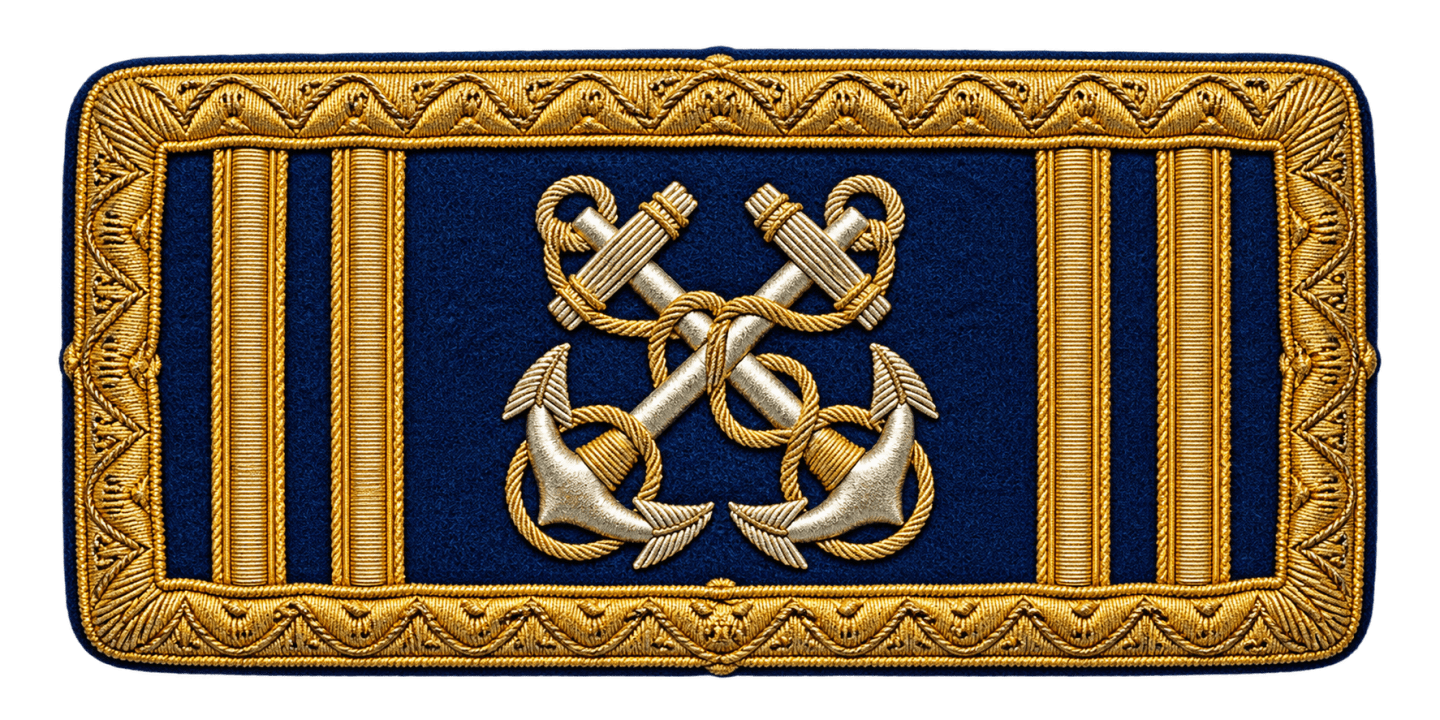
A Fearless Charge Through the Defenses of Fort Fisher
Othniel Tripp was a United States Navy sailor and Medal of Honor recipient whose extraordinary courage during the American Civil War earned him recognition for his actions in the Second Battle of Fort Fisher, North Carolina. Serving as Chief Boatswain's Mate aboard USS Seneca, he participated in a dangerous naval assault against Confederate fortifications on January 15, 1865. When heavy enemy fire halted the advancing sailors and forced much of the attacking formation to withdraw, Tripp boldly charged through a gap in the defensive stockade. His bravery was formally recognized under Navy General Order No. 59, dated June 22, 1865.
Tripp was born in 1826 in Maine. The Congressional Medal of Honor Society identifies his birthplace as Gardner, in Kennebec County. His exact birth date, parents, education, and early civilian occupation have not been reliably established.
He subsequently entered the United States Navy, with his military service officially accredited to Maine. The available records do not identify his precise enlistment date or establish all of his naval assignments.
During the Civil War, Tripp served aboard USS Seneca, a steam-powered screw gunboat that operated with Union naval forces along the Atlantic coast.
Seneca had been commissioned in October 1861 and participated in the Union blockade of Confederate ports. The vessel took part in naval operations along the coasts of South Carolina, Georgia, and North Carolina before being assigned to the North Atlantic Blockading Squadron in October 1864.
Tripp's documented service aboard the gunboat placed him among the sailors assigned to the campaign against Fort Fisher, a heavily defended Confederate position near the mouth of the Cape Fear River.
Fort Fisher protected the maritime approaches to Wilmington, North Carolina, an important Confederate port used by blockade runners to deliver military supplies. Its location allowed Confederate artillery to threaten Union warships attempting to enter the river.
By late 1864, Wilmington had become one of the Confederacy's last major connections with overseas supply routes. Union commanders therefore considered the capture of Fort Fisher an important military objective.
In December 1864, a Union expedition under Rear Admiral David Dixon Porter and Major General Benjamin F. Butler attempted to capture the fort. USS Seneca participated in the naval operations on December 24 and 25, but the expedition failed to take the Confederate position.
The Union high command soon organized a second attempt.
Major General Alfred H. Terry replaced Butler as commander of the Army contingent, while Rear Admiral Porter continued directing the naval forces.
The renewed expedition reached the North Carolina coast in January 1865. On January 13, Union troops began landing north of Fort Fisher as naval vessels opened a sustained bombardment against the Confederate defenses.
Over the following two days, the fleet maintained artillery fire while soldiers established positions on the peninsula.
USS Seneca was among the warships supporting the operation.
The Union plan called for coordinated attacks against different sections of Fort Fisher. Terry's soldiers would advance against its landward defenses, while a large force of sailors and Marines would assault the fortifications facing the Atlantic Ocean.
The naval landing force was assembled from warships participating in the expedition.
As Chief Boatswain's Mate, Tripp held a senior enlisted naval rating associated with seamanship, deck operations, and the supervision of sailors. During the assault, however, his responsibilities brought him ashore as a member of the attacking force.
On January 15, 1865, Union commanders launched the decisive assault.
The sailors and Marines advanced across exposed sandy ground toward the Confederate fortifications. Many carried revolvers and cutlasses as they attempted to close with the defenders.
Confederate soldiers opened intense musket and artillery fire against the advancing naval force.
The attackers faced a particularly dangerous approach because much of the ground near the fort offered little protection. As the sailors moved forward, casualties mounted and their formation began to lose cohesion.
The attacking force attempted to penetrate the stockade protecting the Confederate position.
During this movement, Chief Boatswain's Mate Othniel Tripp distinguished himself through an exceptional act of courage.
His official Medal of Honor citation records that enemy fire halted the assaulting party's attempt to enter the stockade.
The center of the attacking line, exposed without adequate protection, fell back along the open beach. This withdrawal left too few sailors in position to sustain the offensive.
Despite the danger and the collapse of the formation around him, Tripp charged forward.
He boldly passed through a gap in the stockade while Confederate fire continued against the attackers.
His advance took place at a moment when the naval assault had lost much of its strength and the men remaining near the defenses were exposed to overwhelming resistance.
Tripp's action demonstrated extraordinary personal bravery under circumstances in which the larger attacking force could no longer maintain its advance.
The official citation specifically recognized his decision to charge through the opening despite the enemy fire and the retreat of the central formation.
The surviving account does not establish whether Tripp reached the interior of the main fortification, captured any enemy soldiers, or suffered wounds during the attack. His documented achievement was his courageous advance through the stockade opening.
Although the naval assault failed to break through the Confederate defenses as intended, it formed part of the wider Union operation against Fort Fisher.
Meanwhile, Terry's infantry attacked the fort from the landward side.
After prolonged fighting, Union soldiers penetrated the defenses and advanced through the fortified positions. Confederate resistance eventually collapsed, and Fort Fisher fell to Union forces on the evening of January 15.
The capture of the fort was a major strategic victory. It removed the principal coastal protection of Wilmington and severely weakened the Confederacy's ability to use the port for overseas trade and military supplies.
For Othniel Tripp, the battle became the defining event of his documented naval career.
His conduct during the unsuccessful naval assault received formal recognition because he continued forward despite intense enemy fire and the withdrawal of much of the attacking force.
On June 22, 1865, Tripp's bravery was recognized under Navy General Order No. 59, which recorded his Medal of Honor award.
The Navy's historical Medal of Honor register commended his exceptional gallantry in charging through the stockade gap.
Unlike awards recognizing the capture of a fortification or enemy colors, Tripp's Medal of Honor honored his courage during an advance that could not be successfully sustained by the surrounding troops.
His actions illustrated the personal risks undertaken by Union sailors who fought ashore alongside soldiers and Marines during the Civil War.
The surviving historical records provide limited information about Tripp's life after the Fort Fisher campaign.
His exact date of discharge, subsequent naval assignments, civilian occupation, family relationships, and date and place of death have not been reliably established.
The Congressional Medal of Honor Society preserves his birth year, naval rank, ship assignment, and officially recognized act of heroism, but does not provide a confirmed date of death.
Othniel Tripp's legacy is therefore closely associated with January 15, 1865, when he advanced through a gap in the Confederate stockade at Fort Fisher despite heavy fire and the retreat of much of his assaulting party.
His Medal of Honor preserves the memory of that courageous action and his service with the United States Navy during one of the final major coastal operations of the American Civil War.
Become the named supporter for this profile and edit the tribute biography and portrait (Owner account required). Proceeds help keep the archive online.
$25 USD / year — annual sponsorship renewal. Keeps the page online and, where enabled, the family anniversary remembrance emails active.