★
Loading archive…
Loading archive…

Lieutenant-General, Indian Army
Support & adopt this hero ↓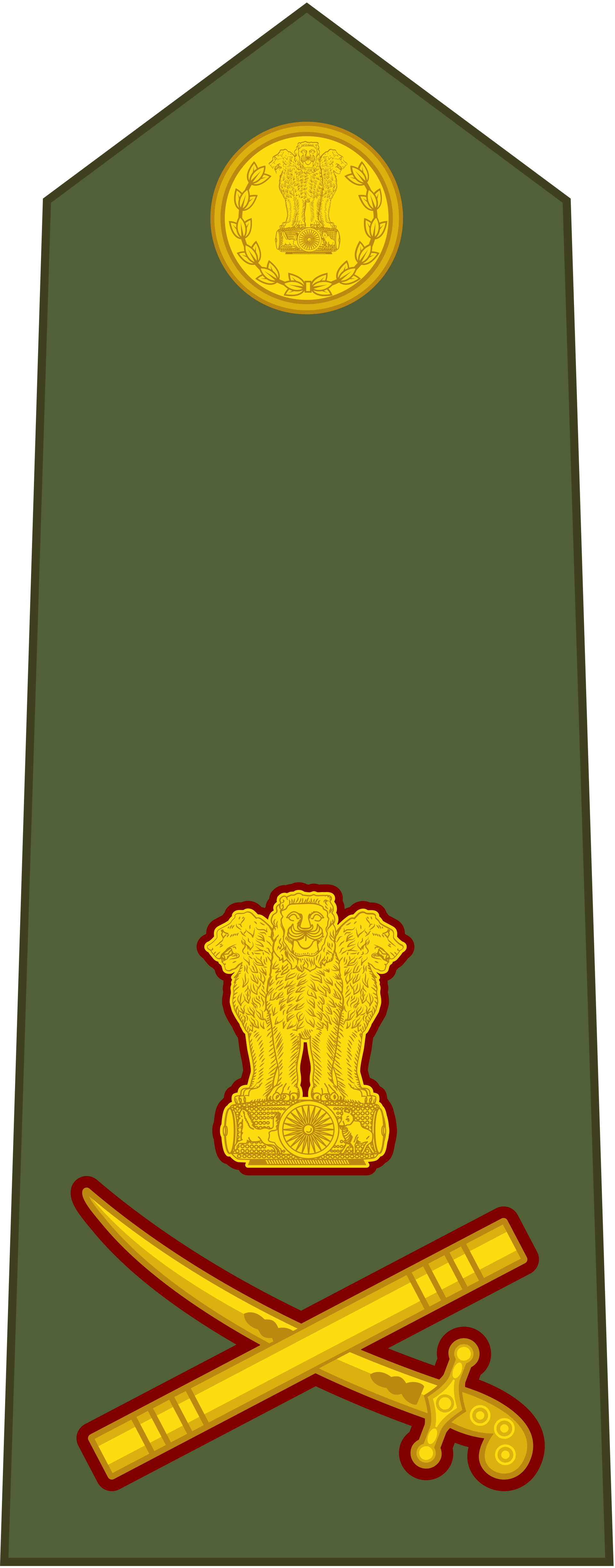
Few military engineers have shown greater courage under fire than Lieutenant General Premindra Singh Bhagat, PVSM, VC. During the East African campaign of the Second World War, the young officer of the Royal Bombay Sappers and Miners earned the Victoria Cross through an extraordinary four-day mine-clearing operation, safeguarding an advancing military column despite enemy attacks, explosions and serious injury.
Born at Gorakhpur in October 1918, Bhagat was commissioned into the British Indian Army on 15 July 1939 and joined 21 Field Company. He deployed to East Africa in September 1940, serving with Indian formations engaged against Italian forces. During the Gallabat operations that November, he helped support the infantry assault and later risked his life to complete the demolition of a culvert during withdrawal. He also participated in a dangerous demolition raid against an enemy airfield near Metemma.
His most celebrated action occurred between 31 January and 4 February 1941. Commanding a section of engineers accompanying the advancing mobile troops, Bhagat worked for approximately 96 hours along 55 miles of heavily mined roads. He detected and personally supervised the clearance of fifteen minefields. Two mine explosions damaged his carriers, and he continued despite enemy fire, exhaustion and a punctured eardrum. His determination enabled the column to advance safely. His Victoria Cross was announced in the London Gazette on 10 June 1941. After recovering, he also took part in the fighting at Keren.
Bhagat's career after the war was distinguished by leadership, training and military reform. He served with the Punjab Boundary Force during Partition, commanded the Bombay Sappers, led 165 Infantry Brigade and became Director of Military Intelligence. His appointment as Commander Royal Engineers of 4th Infantry Division provides context for the formation's 1947–48 Jammu and Kashmir operations; his personal frontline deployment remains unconfirmed. As Commandant of the Indian Military Academy during the 1962 Sino-Indian War, he held a training appointment and subsequently contributed to the Henderson Brooks–Bhagat operational review.
He later commanded a division, XI Corps, Central Command and the re-established Northern Command, becoming the first officer from the Bombay Sappers to reach the rank of Lieutenant General. His division did not enter battle in 1965, and Central Command was not directly involved in the fighting in 1971. These appointments are not counted as additional combat tours. His leadership during severe flooding at Lucknow in 1971 earned widespread recognition, and he received the Param Vishisht Seva Medal for distinguished service.
After leaving the Army in July 1974, he became Chairman of the Damodar Valley Corporation. He died on 23 May 1975, aged 56. Remembered as a courageous sapper, reform-minded general and respected military thinker, Premindra Singh Bhagat remains one of the most distinguished officers in the history of the Indian Army.
Become the named supporter for this profile and edit the tribute biography and portrait (Owner account required). Proceeds help keep the archive online.
$25 USD / year — annual sponsorship renewal. Keeps the page online and, where enabled, the family anniversary remembrance emails active.