★
Loading archive…
Loading archive…

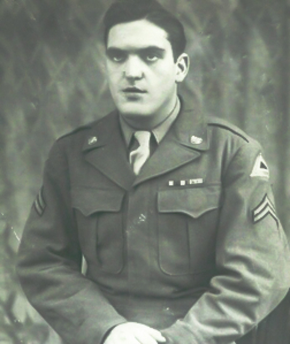
What kind of courage drives a wounded soldier to keep fighting when escape is still possible? For Master Sergeant Ray Eugene Duke, an American Medal of Honor recipient of the Korean War, the answer was simple: the lives of his fellow soldiers mattered more than his own. On April 26, 1951, near Mugok, South Korea, Duke displayed extraordinary bravery under overwhelming enemy fire, sacrificing his freedom and ultimately his life to protect the men who depended on him.
Born on May 9, 1923, Ray E. Duke answered his nation's call during World War II and continued serving in the United States Army after the war. When fighting erupted on the Korean Peninsula in 1950, he was assigned to Company C, 21st Infantry Regiment, 24th Infantry Division. A seasoned infantryman and determined leader, Duke understood the harsh realities of combat and the responsibility of bringing his soldiers home.
His courage had already been tested before the battle that would make his name immortal. On March 7, 1951, Duke was seriously wounded during the fighting in Korea. After recovering sufficiently to return to duty on March 23, he rejoined his fellow soldiers rather than leaving the dangers of the battlefield behind.
Then came April 26, 1951, a day that would define his legacy forever.
Near Mugok, Duke's platoon came under a devastating enemy attack. Facing intense fire and mounting casualties, he refused to abandon his men. Serving as a Sergeant First Class at the time, Duke moved through exposed positions, directed his soldiers' fire and continued resisting the enemy despite suffering multiple wounds.
What makes his story extraordinary is not simply that he fought while wounded, but that he repeatedly placed himself in danger to give others a chance to survive. Even as his injuries grew more severe, Duke continued leading his men and helping protect their withdrawal. His determination under overwhelming pressure reflected the highest traditions of the United States Army.
Eventually, his wounds left him unable to escape. Duke was captured by enemy forces and became a prisoner of war. He never returned home. On November 11, 1951, he died in captivity, leaving behind a legacy of courage, sacrifice and unwavering loyalty.
On March 19, 1954, the United States Army announced his posthumous Medal of Honor award through General Orders No. 20. The nation's highest military decoration for valor recognized his extraordinary heroism during the battle near Mugok. His military service, including his wounds in combat and subsequent captivity, stands as a lasting testament to the sacrifices endured by American soldiers during the Korean War.
Yet Ray E. Duke's legacy reaches far beyond military decorations and official citations. His story is about a soldier who returned to battle after being wounded, a leader who remained steadfast when his unit faced overwhelming odds, and a man whose final acts of courage helped give his comrades a chance to survive.
Master Sergeant Ray E. Duke is remembered among America's most courageous military heroes, but his greatest legacy lies in the lives he fought to protect. His story reminds future generations that true heroism is not measured only by victories won or enemies defeated. Sometimes, it is measured by the willingness to stand firm when others need you most, regardless of the personal cost.
Ray Eugene Duke never came home from Korea, but his extraordinary sacrifice ensured that his name would never be forgotten.
Become the named supporter for this profile and edit the tribute biography and portrait (Owner account required). Proceeds help keep the archive online.
$25 USD / year — annual sponsorship renewal. Keeps the page online and, where enabled, the family anniversary remembrance emails active.