★
Loading archive…
Loading archive…
Sergeant, U.S. Army
Support & adopt this hero ↓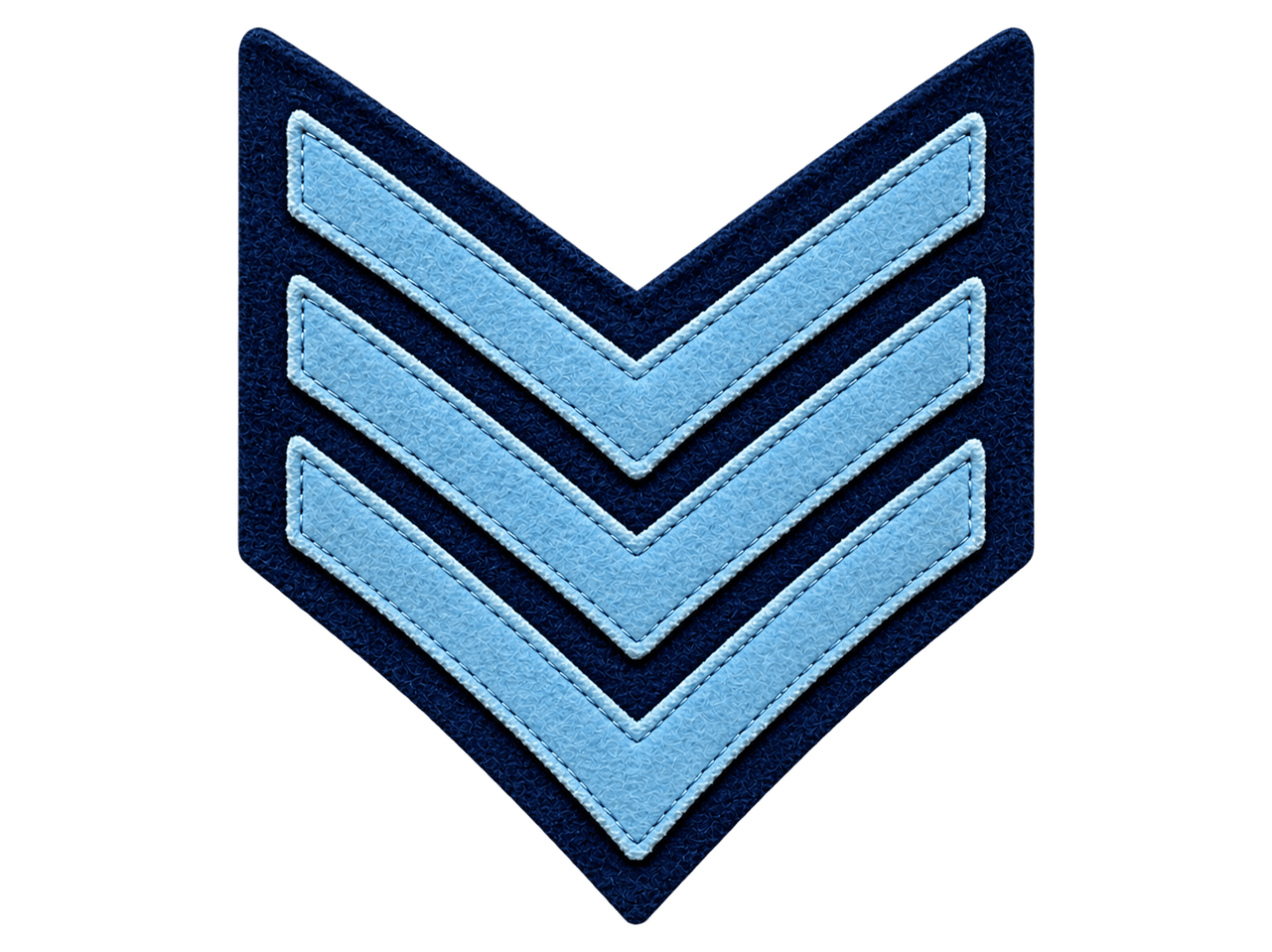
Richard Longstreet Tea was born in Philadelphia, Pennsylvania, in February of the early 1840s. Surviving historical records disagree slightly on his exact birth year, giving either 1840 or 1842, so it is safer not to force a single year without stronger primary documentation. What is firmly established is that Philadelphia was his birthplace and the city to which his later Medal of Honor service was officially accredited. Tea entered the United States Army while still a young man. On February 1, 1858, he enlisted in Philadelphia as a Private and initially served with Company F, 10th U.S. Infantry. His enlistment began several years before the American Civil War, meaning that by the outbreak of hostilities in 1861 he already possessed Regular Army experience. Tea was later transferred to Battery B, 4th U.S. Artillery. By 1860 he was serving with the battery in the western territories, including duty around Ruby Valley in Utah Territory. This early frontier experience placed him in the small professional Regular Army that existed before the enormous wartime expansion of 1861. When the Civil War began, Tea remained in federal service and his battery was brought into some of the most intense fighting of the conflict. Civil War Service Tea’s Civil War service was primarily associated with Battery B, 4th U.S. Artillery. This Regular Army artillery battery served with the Army of the Potomac and fought in the Eastern Theater. Tea therefore experienced a very different type of warfare from the mounted cavalry campaigning for which he would later receive the Medal of Honor. One of the best-documented moments of his Civil War service came at the Battle of Antietam on September 17, 1862. Battery B entered action near the North Woods and the famous Cornfield. Its guns were moved forward to extremely exposed positions and engaged both Confederate infantry and artillery. During the fighting the battery came under direct attack and suffered heavy casualties. Richard Tea was among the wounded. He was recorded as a Private at Antietam and received a wound during the battle. The battery itself suffered severe losses in men and horses before withdrawing and later returning to action. Tea survived his wound and continued serving. Rather than leaving the Army, he reenlisted on December 1, 1862, continuing his career with the Regular Army through the remainder of the Civil War. His survival through Civil War combat is an important part of his military story, but it should not be confused with later medal entitlement. His Antietam wound does not establish entitlement to a Purple Heart, and no Purple Heart should be included in his profile. Postwar Army Career Tea continued serving after the Civil War ended. He reenlisted again on December 30, 1865, at Fort Leavenworth, Kansas. His long Army experience eventually brought promotion, and by December 1868 he had attained the rank of Sergeant. He remained associated with Battery B, 4th U.S. Artillery until the end of 1871. On December 30, 1871, his period of service with the artillery concluded. But Tea again chose to remain a professional soldier. On January 10, 1872, at Fort Riley, Kansas, he enlisted as a Sergeant in Company H, 6th U.S. Cavalry. This move from artillery to cavalry marked the beginning of the phase of his career that would ultimately bring him the Medal of Honor. Service with the 6th U.S. Cavalry The 6th U.S. Cavalry was deeply involved in post-Civil War operations across the western frontier. Mounted soldiers performed reconnaissance, escort duty, pursuit operations, scouting, protection of transportation routes and settlements, and combat missions against Native American groups resisting U.S. military expansion. Tea’s earlier Regular Army experience made him a seasoned soldier by the time he entered cavalry service. His defining action occurred during operations against Cheyenne forces in Kansas in 1875. At this point Tea held the same rank that would ultimately become his highest verified military rank: Sergeant His Medal of Honor action rank and highest verified rank are therefore the same. Sappa Creek — April 23, 1875 On April 23, 1875, Sergeant Richard Longstreet Tea was serving with Company H, 6th U.S. Cavalry during an engagement at Sappa Creek, Kansas. The Cheyenne defenders had occupied natural defensive positions along the creek. Bank pits and the terrain provided substantial protection against the main cavalry force, making a direct attack difficult. Tea became part of a small group of only six soldiers selected or positioned to undertake a particularly dangerous movement. Instead of attacking the Cheyenne position directly from the front, the six men moved through the creek itself. They had to wade through mud and water, using the creek to approach the defensive position while limiting their exposure. The objective was to get behind the entrenched Cheyenne position while the main U.S. force remained in front. Tea and the other five soldiers successfully moved far enough along the creek to reach a position directly behind the defenders. From there, they launched a surprise attack. The sudden appearance of armed cavalrymen in the rear disrupted the defensive position and broke the resistance that had been holding up the main column. This tactical movement became the defining heroic action of Tea’s career. It required physical endurance, discipline, stealth, and considerable personal risk. Tea and the other soldiers had moved through difficult terrain toward an enemy position that could have turned against them at any moment had their approach been discovered. The surprise succeeded. The Cheyenne resistance was broken, and Tea’s conduct was subsequently recognized by the United States Army as worthy of the nation’s highest military decoration. Medal of Honor Richard Longstreet Tea received the Medal of Honor for his conduct at Sappa Creek. The action occurred on: April 23, 1875 — Sappa Creek, Kansas The Medal of Honor was formally presented on: November 16, 1876 Tea was: Sergeant, Company H, 6th U.S. Cavalry The award was made during his lifetime and was not posthumous. For the VictoriaCross.ca database, the correct verified entry is: Medal of Honor 1862–1895 Army — 1876 — No device or clasp The date 1876 represents the award/presentation year. The heroic action itself occurred in 1875. No star, clasp, bar, oak leaf cluster, or other device has been verified for Tea’s Medal of Honor. Therefore the Medal of Honor ribbon should remain plain. Tea was not alone in receiving recognition for the Sappa Creek fighting. Several members of Company H, 6th U.S. Cavalry were awarded Medals of Honor for their conduct during the engagement, including soldiers who took part in the same rear attack. Nevertheless, Tea’s award remains an individual personal decoration based on his own participation in that dangerous tactical movement. Why His Combat Specialty Is Cavalry Tea’s career included two distinctly different combat arms. During the Civil War he served with: Battery B, 4th U.S. Artillery During the action for which he earned the Medal of Honor, however, he served with: Company H, 6th U.S. Cavalry For the database’s single Combat Achievement Modifier, the defining heroic action should carry the greatest weight. Therefore: Armor / Cavalry — correct rather than: Artillery Artillery remains an important part of his biography and Civil War service, but cavalry is the correct classification for his Medal of Honor-era defining combat role. Two Distinct Wars Tea’s long Regular Army career also spanned two distinct conflict periods. He served during the: American Civil War and later during the: American Indian Wars / Indian Campaigns For this reason the database’s: Multi-Service / Multi-War: ON is appropriate. He did not serve in multiple military branches—the branch remained the United States Army—but his verified service crossed two separate wars/conflict eras. His Battle of Antietam service represents the Civil War portion of that record. His Sappa Creek action represents the Indian Campaigns portion. Civil War Campaign Medal Tea’s Civil War service is unquestionable. He was a Regular Army soldier, served with Battery B, 4th U.S. Artillery, and was wounded at Antietam. However, this does not automatically prove recipient-specific entitlement to the later Civil War Campaign Medal. That medal was created decades after the Civil War. The project requires evidence that the particular individual was personally entitled to, issued, or otherwise officially credited with the medal—not merely evidence that his service appears to fall within the qualifying period. For Richard Tea, sufficiently strong recipient-specific evidence has not been established. Therefore: Civil War Campaign Medal — HOLD / DO NOT ADD His Civil War history remains fully part of the biography, but the medal does not belong in the verified ribbon rack without stronger proof. Indian Campaign Medal The same rule applies to the Indian Campaign Medal. Tea unquestionably participated in Indian Campaign-era operations. Indeed, his Medal of Honor itself was earned during an Indian Campaigns action. But the Medal of Honor and the Indian Campaign Medal are two completely separate entitlement questions. His presence at Sappa Creek proves his service and his Medal of Honor action. It does not by itself prove that he was individually issued or officially entitled to the later Indian Campaign Medal. Therefore: Indian Campaign Medal — HOLD / DO NOT ADD This is intentionally conservative and follows the project’s zero-assumption rule. Final Verified Ribbon Rack Richard Longstreet Tea’s current verified ribbon rack therefore contains only: Medal of Honor 1862–1895 Army — 1876 — No device or clasp Verified Medal Count: 1 The following remain outside the rack: Civil War Campaign Medal — HOLD Indian Campaign Medal — HOLD No Purple Heart, campaign stars, clasps, bars, or other devices should currently be added. Later Life Tea remained associated with the Army for many years after receiving the Medal of Honor. His military career had already begun in 1858, meaning that by the time of the Sappa Creek action he had accumulated roughly seventeen years of military experience across the antebellum Regular Army, the Civil War, postwar garrison duty, and frontier cavalry service. His record therefore represents much more than a single day of heroism. He had begun as a young infantry private. He transferred into artillery service. He fought and was wounded at Antietam. He reenlisted repeatedly rather than returning permanently to civilian life. He rose to Sergeant. He transferred into the cavalry. And in 1875 he participated in the daring movement at Sappa Creek that eventually earned him the Medal of Honor. After his active service years, Tea remained in the American Southwest. He lived into the twentieth century, surviving long enough to see the frontier Army in which he had served transformed into a very different modern military establishment. Death and Burial Richard Longstreet Tea died on September 14, 1911, at Fort Whipple, Arizona. His final years were therefore closely associated with the Prescott area. He was ultimately buried at: Mountain View Cemetery, Prescott, Arizona His verified grave location is recorded as: Section P, Lot 13, Grave D His wife Alice was buried nearby. Tea had survived more than half a century from his first enlistment and nearly thirty-six years beyond the Sappa Creek action that made him a Medal of Honor recipient. Historical Legacy Richard Longstreet Tea’s military career crossed two very different eras of nineteenth-century American warfare. He entered the United States Army before the Civil War. As a young Regular Army soldier, he experienced western frontier duty before returning east for the great national conflict. At Antietam on September 17, 1862, he served as a Private in Battery B, 4th U.S. Artillery and was wounded during one of the most intense battles in American history. He recovered and remained in service. After the Civil War he continued with the Regular Army, eventually becoming a Sergeant. Then, as Sergeant, Company H, 6th U.S. Cavalry, he took part in the action at Sappa Creek on April 23, 1875. Together with five other soldiers, Tea moved through mud and water along the creek, reached the rear of an entrenched Cheyenne position, and participated in the surprise attack that broke the defenders’ resistance. For that action he received the Medal of Honor on November 16, 1876. His final historical profile is therefore: Full Name: Richard Longstreet Tea Branch: United States Army Highest Verified Rank: Sergeant Medal of Honor Action Rank: Sergeant Medal of Honor Unit: Company H, 6th U.S. Cavalry Earlier Civil War Unit: Battery B, 4th U.S. Artillery Conflicts: American Civil War; American Indian Wars Documented Civil War Engagement: Battle of Antietam — September 17, 1862 Defining Heroic Action: Sappa Creek, Kansas — April 23, 1875 Combat Specialty for Database: Armor / Cavalry Verified Decoration: Medal of Honor 1862–1895 Army — 1876 — No device or clasp Richard Longstreet Tea’s legacy rests not simply on receiving the Medal of Honor, but on the extraordinary length and continuity of his military service. From a young Regular Army private before the Civil War, through the bloodshed of Antietam, to the cavalry campaigns of the western frontier, Tea spent much of his adult life as a professional American soldier—and at Sappa Creek he performed the dangerous maneuver that permanently placed his name among the recipients of the Medal of Honor.
Become the named supporter for this profile and edit the tribute biography and portrait (Owner account required). Proceeds help keep the archive online.
$25 USD / year — annual sponsorship renewal. Keeps the page online and, where enabled, the family anniversary remembrance emails active.