★
Loading archive…
Loading archive…

Sergeant, U.S. Army
Support & adopt this hero ↓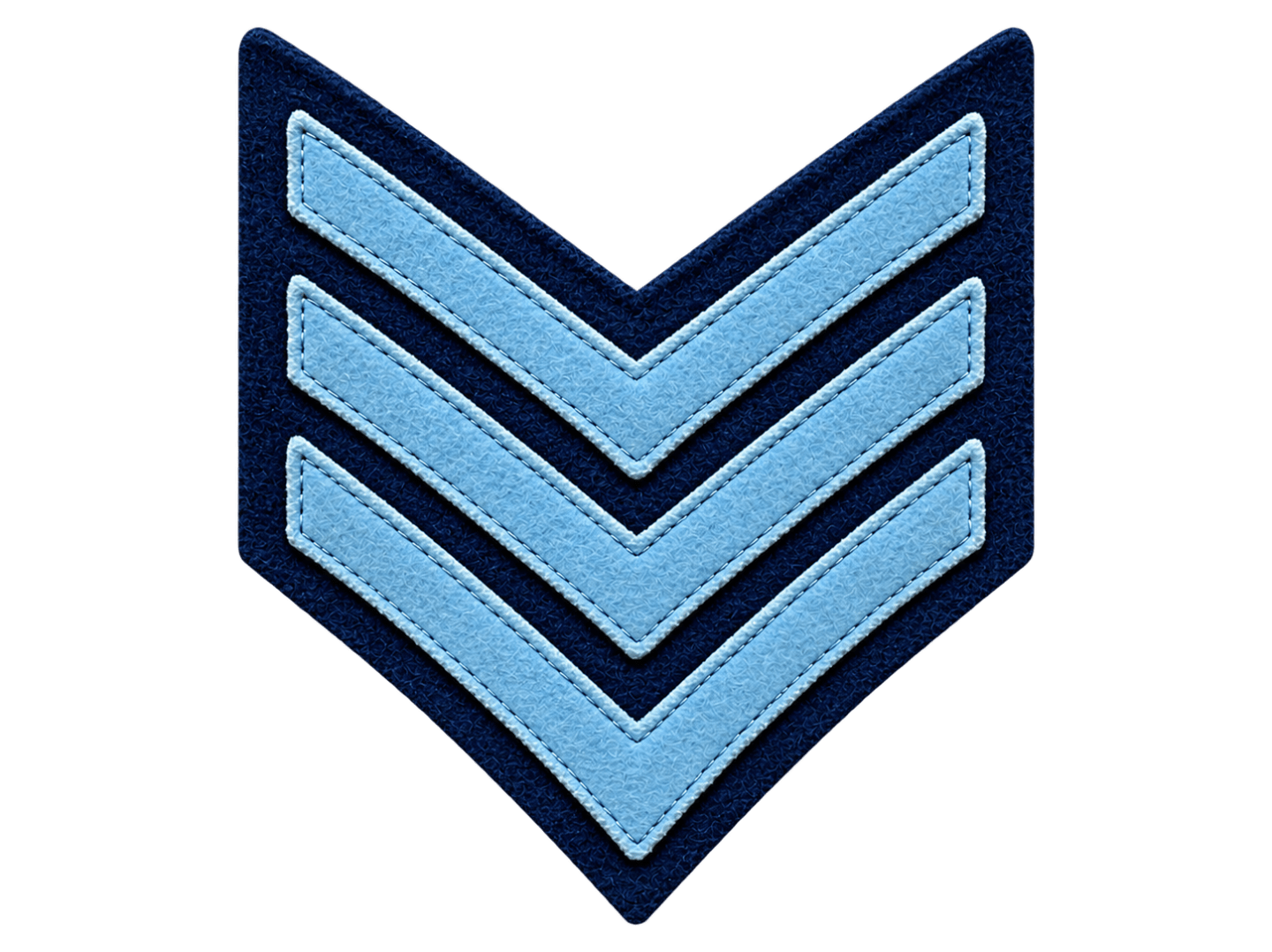
Seized the 9th Virginia's flag in brutal hand-to-hand combat!
Robert F. Shipley was born on May 8, 1838, in Wayne, New York. When the American Civil War engulfed the country, he entered Union service and eventually became a sergeant in the New York infantry. His military career would carry him through some of the hardest years of the conflict and place him at the center of one of the final decisive battles fought against General Robert E. Lee's Army of Northern Virginia.
Shipley initially served with Company C of the 44th New York Infantry. The regiment had become an experienced Army of the Potomac organization and had seen extensive combat in the eastern theater. By the autumn of 1864, however, the terms of service of many of its original members were expiring, and soldiers who still had time remaining on their enlistments were transferred to other commands.
On October 6, 1864, Shipley was transferred to Company A of the 140th New York Infantry. The 140th had already earned a hard-fighting reputation during the war and served within the Army of the Potomac as Union forces continued their operations against Richmond and Petersburg.
By the spring of 1865, the long siege around Petersburg had placed immense pressure on Confederate supply routes. Lieutenant General Ulysses S. Grant sought to stretch Lee's increasingly thin defensive lines westward and sever the remaining roads and railways supporting the Army of Northern Virginia. Union cavalry and infantry moved toward Five Forks, a strategically important crossroads southwest of Petersburg.
On April 1, 1865, Union forces attacked Confederate troops positioned around Five Forks. The battle became one of the decisive engagements of the final Petersburg campaign. Federal cavalry under Major General Philip Sheridan and infantry from the V Corps struck the Confederate position, breaking through defenses and capturing large numbers of soldiers.
Sergeant Shipley was serving with Company A, 140th New York Infantry, during the attack. Amid the fighting, he confronted members of the 9th Virginia Infantry and captured the regiment's battle flag in hand-to-hand combat.
The seizure of an enemy flag was one of the most dangerous individual achievements possible on a Civil War battlefield. Regimental colors served both as symbols of identity and as practical rallying points for soldiers trying to maintain formation amid smoke, noise, and confusion. Color bearers and their guards therefore occupied positions that were highly visible and fiercely defended.
For Shipley to take the flag of the 9th Virginia Infantry required him to reach the heart of the opposing formation and overcome resistance at extremely close range. His official Medal of Honor citation specifically records that he captured the Confederate colors in hand-to-hand combat.
The action occurred at a critical moment in the final destruction of Lee's Petersburg defenses. The Union victory at Five Forks threatened the South Side Railroad and made the Confederate position around Petersburg increasingly untenable. Grant ordered a general assault for the following day.
On April 2, Union forces broke through the Petersburg defenses. Lee informed the Confederate government that Richmond and Petersburg would have to be evacuated, and the Army of Northern Virginia began retreating westward. Five Forks had helped trigger the sequence of events that forced Lee from the defensive lines he had held for months.
Shipley remained with the Union forces as the campaign entered its final days. Lee's army was pursued relentlessly across Virginia, suffering further losses at places such as Sailor's Creek before finally reaching Appomattox Court House. On April 9, 1865, only eight days after Shipley's action at Five Forks, Lee surrendered the Army of Northern Virginia to Grant.
Recognition of Shipley's battlefield achievement followed rapidly. On May 10, 1865, he was awarded the Medal of Honor for capturing the flag of the 9th Virginia Infantry at Five Forks. The award permanently linked his name to one of the last major Union victories of the Civil War.
His military service continued briefly after the fighting ended. On June 3, 1865, Shipley was transferred to Company I of the 5th New York Veteran Infantry as wartime units were consolidated during the demobilization of the enormous volunteer army. His verified military record identifies him as a sergeant, the rank he held during the action for which he received the Medal of Honor.
After the war, Shipley returned to civilian life. He eventually settled in Illinois, where he spent his later years. The surviving historical record is far more detailed about his wartime service than about his postwar life, but the events of April 1, 1865, ensured that his name remained connected to the closing campaign of the Civil War.
Robert F. Shipley died on April 29, 1903, in Mendota, Illinois, just days before his sixty-fifth birthday. He was buried at Restland Cemetery in Mendota.
Shipley's military legacy rests on a brief but intensely dangerous encounter at Five Forks. During a battle that helped force the collapse of the Confederate defenses at Petersburg, he fought at close quarters and captured the battle flag of the 9th Virginia Infantry. For that act of courage, performed as a sergeant of the 140th New York Infantry, he received the Medal of Honor and secured a lasting place in the history of the American Civil War.
Become the named supporter for this profile and edit the tribute biography and portrait (Owner account required). Proceeds help keep the archive online.
$25 USD / year — annual sponsorship renewal. Keeps the page online and, where enabled, the family anniversary remembrance emails active.