★
Loading archive…
Loading archive…

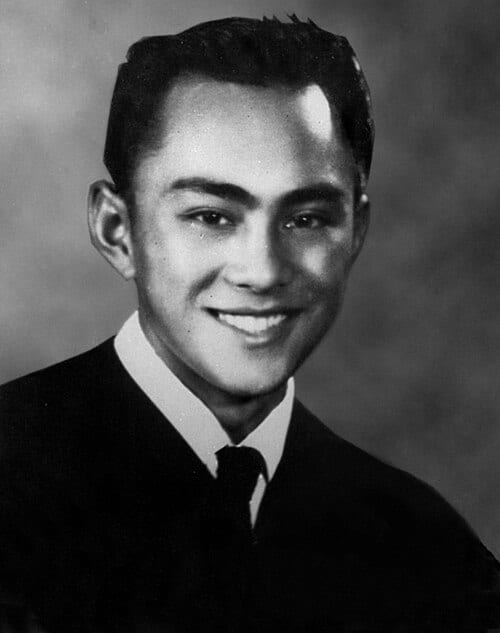
A helicopter was filling with smoke, ammunition was exploding, and its wounded crew chief had only one working arm. Most men would have been fighting to survive. Rodney J. T. Yano was fighting to save everyone else. On New Year's Day 1969, above the jungles of South Vietnam, his extraordinary courage transformed a desperate crisis into one of the most remarkable acts of sacrifice in American military history.
Rodney James Tadashi Yano was born on December 13, 1943, in Kealakekua, Hawaii. He enlisted in the United States Army in 1961 and developed his career in military aviation maintenance. During the Vietnam War, he served as an aircraft technical specialist and helicopter crewman with the Air Cavalry Troop of the 11th Armored Cavalry Regiment, known as the Blackhorse Regiment. His dedication to his family was equally extraordinary. Contemporary reporting and congressional testimony recorded that Yano voluntarily extended his service in Vietnam to help protect his younger brother Glenn from deployment to the war zone.
On January 1, 1969, near Bien Hoa, Yano was serving as acting crew chief aboard a command-and-control helicopter engaged against enemy forces concealed in dense jungle. Despite intense small-arms and antiaircraft fire, he operated his machine gun and marked enemy positions with smoke and white phosphorus grenades, enabling his commander to direct effective artillery fire. Then disaster struck. A grenade exploded prematurely inside the aircraft, covering Yano in burning phosphorus and severely wounding him. Flames ignited ammunition, explosions erupted throughout the helicopter, and thick smoke prevented the pilots from seeing clearly.
Partially blinded, badly burned, and unable to use one arm, Yano faced a desperate situation. Instead of protecting himself, he began throwing burning ammunition out of the helicopter. Each explosion caused further injury, but he continued until the immediate danger had passed. His actions prevented a greater catastrophe and saved his comrades from additional injury. Yano died of his wounds that day, aged just 25. His extraordinary heroism was formally recognised in Department of the Army General Orders No. 15, dated April 23, 1970.
For his conspicuous gallantry and selfless sacrifice, Rodney Yano received the Medal of Honor posthumously. President Richard Nixon presented the award to his parents at the White House on April 7, 1970. His military career also brought recognition through the Bronze Star Medal, Purple Heart, Air Medal with eleven awards, Army Commendation Medal, Army Good Conduct Medal, National Defense Service Medal, Vietnam Service Medal, and Republic of Vietnam Campaign Medal. These honours are documented through contemporary reporting and military memorial records. The Pacific Citizen also reported the posthumous award of South Vietnam's Military Merit Medal in August 1970.
Yano's legacy continued long after his death. He was inducted into the Army Aviation Hall of Fame in 1986, and the United States Navy honoured his memory by naming USNS Yano (T-AKR-297) after him. For decades, he rested at the National Memorial Cemetery of the Pacific in Honolulu. On November 11, 2025, his remains were reinterred at West Hawaii Veterans Cemetery, bringing him back to the island where his remarkable life began.
Rodney J. T. Yano is remembered not simply for the danger he faced but for the choice he made within it. He returned to Vietnam hoping to protect his younger brother, and in his final moments, he sacrificed his own life to protect his fellow soldiers. His Medal of Honor stands as an enduring testament to courage, family devotion and the extraordinary selflessness of an American soldier.
Become the named supporter for this profile and edit the tribute biography and portrait (Owner account required). Proceeds help keep the archive online.
$25 USD / year — annual sponsorship renewal. Keeps the page online and, where enabled, the family anniversary remembrance emails active.