★
Loading archive…
Loading archive…
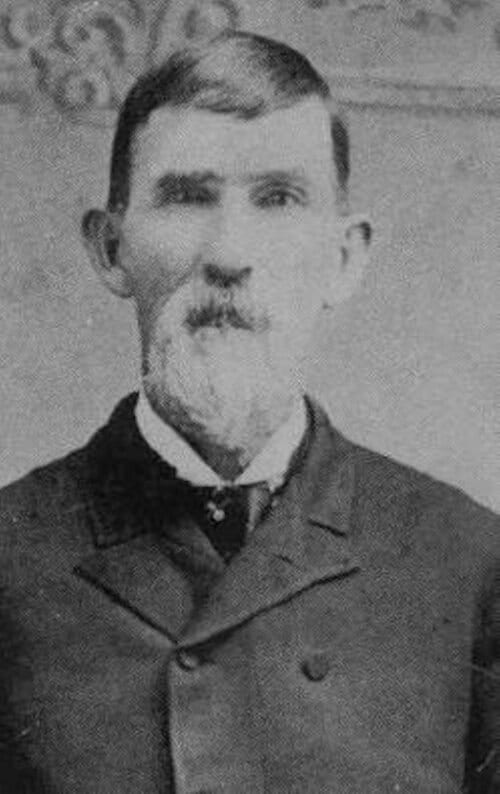
Captain, U.S. Army
Support & adopt this hero ↓
Illinois captain held a Georgia blockhouse with just 41 men.
Only 41 Union soldiers stood between Confederate forces and a vital railroad position at Buzzard's Roost Gap. Their commander, Captain Samuel Hymer, would turn that desperate defence into one of the remarkable acts of heroism of the American Civil War.
Born on May 17, 1829, in Harrison County, Indiana, Hymer later settled in Rushville, Illinois. On September 13, 1862, he entered Union service and became an officer in Company D, 115th Illinois Volunteer Infantry. Rising from Second Lieutenant to First Lieutenant and eventually Captain, he demonstrated his leadership during the Battle of Chickamauga and the Siege of Chattanooga.
His defining moment came on October 13, 1864, at Buzzard's Roost Gap, Georgia. Commanding just 41 men, Hymer defended a fortified blockhouse against a powerful Confederate assault under General John Bell Hood's command. Despite sustained artillery and infantry attacks, his company held its position for nearly ten hours. Their resistance delayed the Confederate advance and helped protect the remainder of the regiment and the 8th Kentucky Infantry stationed at Ringgold.
After the blockhouse was finally surrendered, Hymer and his men were taken prisoner. During his captivity, he briefly escaped from a Confederate stockade but was recaptured before eventually being paroled and returned to Union lines. He was discharged on May 15, 1865.
For his extraordinary courage, Congress awarded Hymer the Medal of Honor on March 28, 1896. Its official citation recognized his defence of the blockhouse with only 41 men against Hood's Division for nearly ten hours. The 115th Illinois regimental history also records that he received the brevet rank of Major for this remarkable service.
Following the war, Hymer settled in Kansas, where he became a farmer, public servant and Methodist preacher. He served in the Kansas legislature and remained active in veterans' affairs through the Grand Army of the Republic. He eventually returned to Rushville, Illinois, where he died on May 9, 1906.
Samuel Hymer's legacy is that of a commander whose determination and leadership allowed a small company of Union soldiers to withstand an overwhelming assault and perform a service of lasting military significance.
Become the named supporter for this profile and edit the tribute biography and portrait (Owner account required). Proceeds help keep the archive online.
$25 USD / year — annual sponsorship renewal. Keeps the page online and, where enabled, the family anniversary remembrance emails active.