★
Loading archive…
Loading archive…
Corporal, U.S. Army
Support & adopt this hero ↓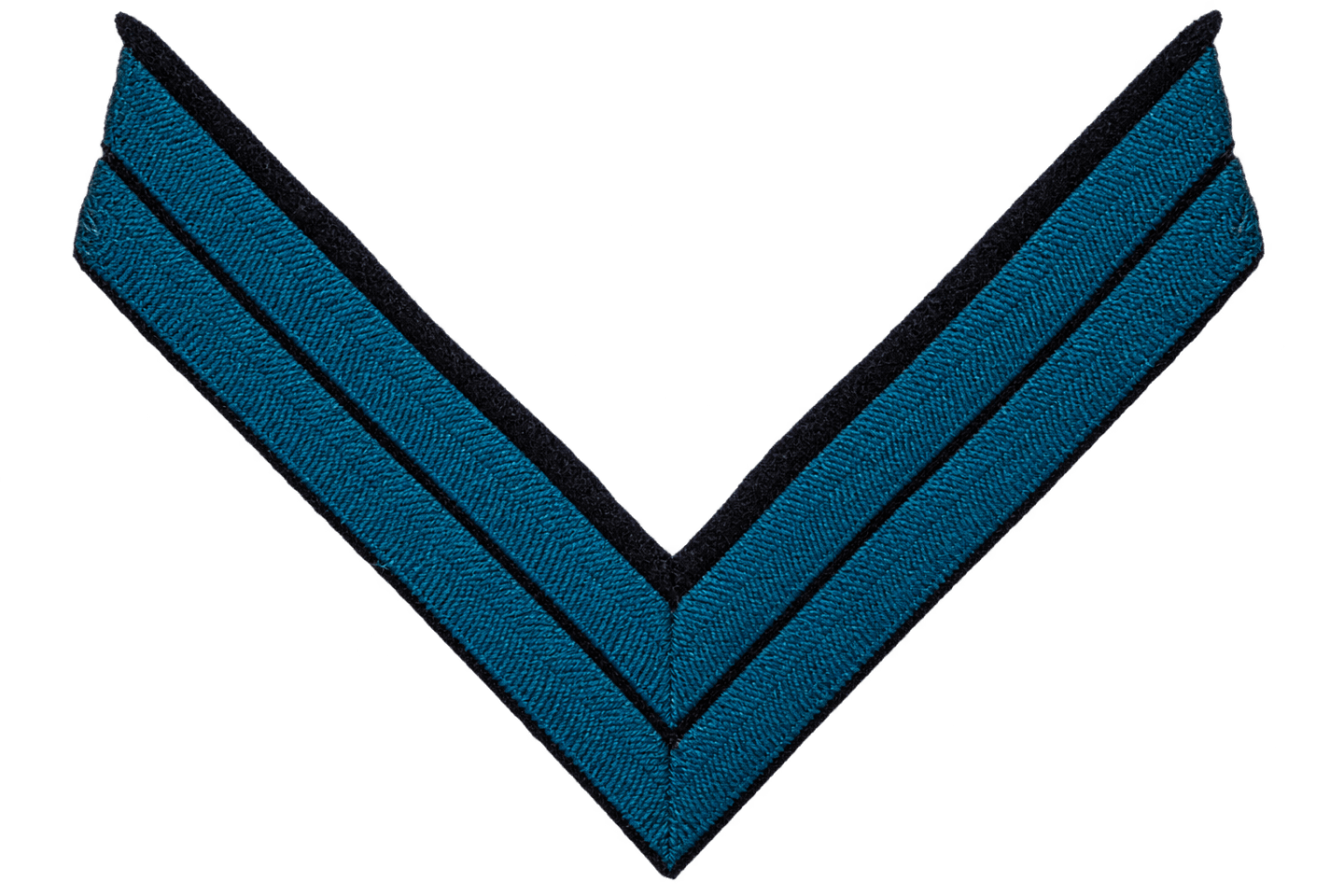
Manned his artillery piece alone amidst heavy enemy volleys.
Samuel Joseph Churchill was born on November 1, 1842, in Rutland, Vermont. During the American Civil War, he entered the United States Army and served with Battery G of the 2nd Illinois Light Artillery. His wartime service would eventually carry him to the rank of quartermaster sergeant, but the act that earned him the Medal of Honor came while he was serving as a corporal during the Battle of Nashville.
Churchill entered military service in 1861, as the Civil War expanded into a national conflict. Artillery units played a critical role on Civil War battlefields, supporting infantry formations, breaking enemy positions, and defending important points against advancing troops. Working a field gun demanded discipline and teamwork. Each member of a gun crew had a specific responsibility, and the weapon could only remain effective when those duties were carried out under intense pressure.
By December 1864, Churchill and the 2nd Illinois Light Artillery were involved in the Union campaign against Confederate General John Bell Hood’s Army of Tennessee.
After severe fighting at Franklin, Tennessee, Hood advanced toward Nashville, where Union forces under Major General George H. Thomas had concentrated behind defensive positions. For several weeks, the opposing armies faced one another while Thomas prepared a major attack.
On December 15, 1864, the Union offensive began.
Churchill was serving as a corporal with Battery G when the artillery fighting became especially dangerous. Confederate batteries directed heavy fire against the Union position, placing the men around the guns under immediate threat.
The fire became so intense that other members of Churchill’s detachment were forced to seek shelter.
Churchill remained at his post.
With the rest of the gun crew temporarily driven from the exposed position, he continued operating the artillery piece alone for several minutes.
The act required exceptional determination. Civil War artillery pieces were designed to be served by crews, with separate men responsible for loading, preparing ammunition, aiming, firing, and moving the weapon. Working the gun without the normal detachment placed an extraordinary burden on one soldier, particularly while enemy artillery continued firing on the position.
Churchill nevertheless stayed with the cannon.
His Medal of Honor citation later focused directly on this moment. While hostile fire forced the remainder of his detachment to take cover, he remained in position and continued working the gun by himself.
His courage was not expressed through a flag capture or a dramatic charge across open ground. It was demonstrated through refusal to abandon his duty when the artillery position had become too dangerous for the rest of the crew to remain exposed.
The Battle of Nashville continued into December 16. Union forces ultimately broke Hood’s defensive line and inflicted a devastating defeat on the Army of Tennessee. The Confederate army retreated southward, and its effectiveness as a major fighting force was largely destroyed.
Churchill survived the battle and continued his military service through the closing period of the war. He eventually reached the rank of quartermaster sergeant, the highest verified rank associated with his Army career.
For more than three decades, the action at Nashville remained part of his wartime record without the nation’s highest military decoration attached to it.
That changed on January 20, 1897.
Samuel Joseph Churchill was awarded the Medal of Honor for his conduct at Nashville on December 15, 1864. The recognition formally preserved the moment when, under heavy enemy artillery fire, he remained with his weapon and continued operating it after the rest of his detachment had been forced to seek protection.
His broader service during the Civil War is also represented by the Army Civil War Campaign Medal. Established decades after the conflict, the medal recognized qualifying United States Army and volunteer service during the war. Churchill was still alive when the decoration was created, more than forty years after he had first entered military service.
The Medal of Honor and the Civil War campaign recognition commemorate different parts of his history. The Medal of Honor represents one extraordinary episode during the Battle of Nashville. The campaign medal represents the larger period of Army service that carried him through the conflict.
After the war, Churchill eventually settled in Lawrence, Kansas, where he became part of the generation of Union veterans who built new civilian lives while preserving the memory of their wartime experiences.
He lived well into the twentieth century, surviving long enough to see the Civil War pass from personal memory into national history. By then, the battlefields on which he had served were being commemorated, veterans’ organizations were preserving the stories of those who fought, and the Medal of Honor had become the nation’s most prestigious military decoration.
Churchill died on June 3, 1932, in Lawrence, Kansas. He was buried in Oak Hill Cemetery in Lawrence.
Samuel Joseph Churchill’s legacy rests on a moment when an artillery position became too dangerous for an ordinary crew to remain exposed.
The enemy fire intensified.
The other men sought shelter.
Churchill stayed with the gun.
For several minutes, he continued working it alone under fire.
More than thirty years later, the Medal of Honor formally recognized what that decision represented: extraordinary devotion to duty in the face of immediate danger.
Become the named supporter for this profile and edit the tribute biography and portrait (Owner account required). Proceeds help keep the archive online.
$25 USD / year — annual sponsorship renewal. Keeps the page online and, where enabled, the family anniversary remembrance emails active.