★
Loading archive…
Loading archive…

Colonel, British Army
Support & adopt this hero ↓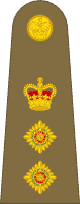
Four riflemen faced a crowd and he covered their withdrawal.
Henry Wilmot was born in Derby on 3 February 1831 into the family of the Chaddesden baronets and educated at Rugby. He made the Army his first career, serving with the 43rd Regiment before joining the Rifle Brigade. His early campaigning included the Crimea. In 1857 he sailed to India, where his battalion became part of the force fighting during the Indian rebellion.
At Lucknow on 11 March 1858, Wilmot's company was engaged near the Iron Bridge. The fighting left him at the end of a street with only four riflemen, facing a much larger body of opponents. One man was struck through both legs and could no longer move. Leaving him would have made a withdrawal easier, but his comrades lifted him and began carrying him out under fire.
Wilmot stayed with the small party and fired the men's rifles to cover their retreat. Private David Hawkes continued carrying the casualty despite being severely wounded himself, while Corporal William Nash helped with the rescue. Their survival depended on the covering fire and on the wounded carriers keeping their burden moving. The official Victoria Cross citation describes Wilmot protecting the withdrawal while his men brought their helpless comrade away (London Gazette, 24 December 1858, transcription: https://www.victoriacross.org.uk/bbwilmot.htm). Nash and Hawkes also received the Victoria Cross for their part in the action.
Wilmot's service continued after Lucknow. He held staff and legal appointments under Hope Grant and accompanied the expedition to China in 1860 as its judge advocate-general. He left the regular Army in 1862, but military work remained an important part of his life. In Derbyshire he served with the Volunteer movement, rising to command a volunteer brigade and maintaining a connection between local civic life and military service.
He married Charlotte Pare in 1862 and succeeded to the family baronetcy in 1872. Elected Conservative MP for South Derbyshire in 1869, he remained in Parliament until 1885. His later public and volunteer service brought appointment as Companion of the Bath and advancement to Knight Commander in 1898.
Wilmot died of pneumonia at Bournemouth on 7 April 1901. He was buried in the family plot at St Mary's, Chaddesden. His Victoria Cross group passed into the regimental museum collection, preserving a record of both his campaigning and the rescue that defined his reputation.
Become the named supporter for this profile and edit the tribute biography and portrait (Owner account required). Proceeds help keep the archive online.
$25 USD / year — annual sponsorship renewal. Keeps the page online and, where enabled, the family anniversary remembrance emails active.