★
Loading archive…
Loading archive…
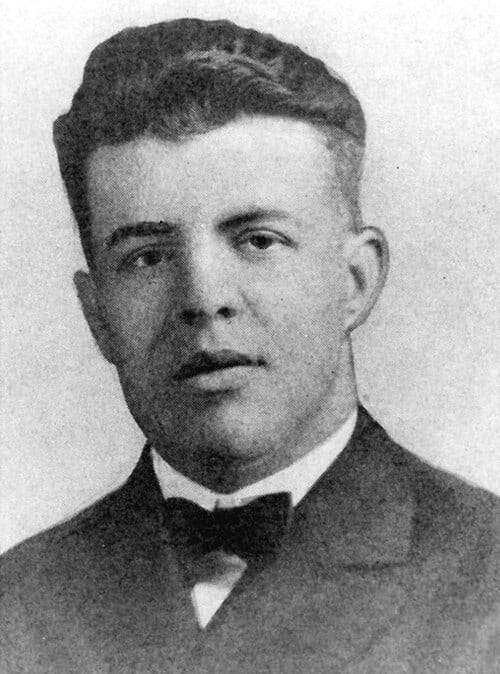
Warrant officer 1, U.S. Navy
Support & adopt this hero ↓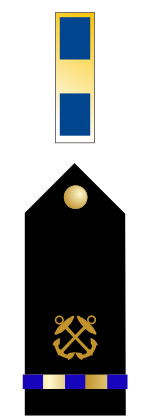
The Pearl Harbor Hero Who Kept USS California's Guns Fighting
When Japanese aircraft attacked Pearl Harbor on December 7, 1941, the battleship USS California was struck by torpedoes and bombs, leaving vital equipment disabled and compartments filled with smoke and fire. Deep inside the damaged ship, one American sailor refused to abandon the fight. His name was Thomas James Reeves, and his extraordinary courage would earn him the Medal of Honor.
Born on December 9, 1895, in Thomaston, Connecticut, Thomas James Reeves entered the United States Naval Reserve in July 1917. Serving during World War I, he worked as an electrician and undertook naval transport duties before beginning a long career in the Regular Navy. Advancing through his technical ratings, Reeves became a respected Chief Radioman, with his Medal of Honor record identifying him as a Radio Electrician (Warrant Officer).
On December 7, 1941, Reeves was serving aboard USS California (BB-44) when Japanese forces launched their surprise attack against the American Pacific Fleet. As the battleship suffered devastating damage, Reeves helped fellow sailors reach safety before flooding forced him from the main radio room.
But his greatest act of heroism was still to come.
The ship's mechanical ammunition hoists had failed, leaving its antiaircraft guns in desperate need of ammunition. Recognizing the danger, Reeves joined the effort to move ammunition by hand through burning passageways to the gun crews defending the battleship.
Smoke filled the compartments. Flames spread through the damaged ship. Yet Reeves remained at his dangerous station, helping maintain the flow of ammunition until he was overcome by smoke and fire.
He died just two days before his 46th birthday.
For his extraordinary courage and sacrifice, Reeves was posthumously awarded the Medal of Honor. His official citation praised his disregard for personal safety and described his determination to keep ammunition reaching the antiaircraft guns. He also received the Purple Heart posthumously. His wartime service qualified him for the World War I Victory Medal, American Defense Service Medal, Asiatic-Pacific Campaign Medal and World War II Victory Medal.
In March 1942, Secretary of the Navy William F. Knox sent his Medal of Honor to his brother's home in Thomaston. The Navy later named USS Reeves (DE-156) in his honor. Decades afterward, the Reeves Communication Center at Naval Station Norfolk was dedicated to preserving his legacy.
Thomas James Reeves is buried at the National Memorial Cemetery of the Pacific in Honolulu, with a memorial marker in his hometown.
His story remains one of Pearl Harbor's most powerful examples of courage under fire. He was not fighting for recognition or glory. In a burning battleship, he chose to help his shipmates keep fighting, even when doing so cost him his life.
Medal of Honor citation
For distinguished conduct in the line of his profession, extraordinary courage, and disregard of his own safety during the attack on the Fleet in Pearl Harbor, by Japanese forces on 7 December 1941. After the mechanized ammunition hoists were put out of action on the U.S.S. California, Reeves, on his own initiative, in a burning passageway, assisted in the maintenance of an ammunition supply by hand to the antiaircraft guns until he was overcome by smoke and fire, which resulted in his death.
Become the named supporter for this profile and edit the tribute biography and portrait (Owner account required). Proceeds help keep the archive online.
$25 USD / year — annual sponsorship renewal. Keeps the page online and, where enabled, the family anniversary remembrance emails active.