★
Loading archive…
Loading archive…
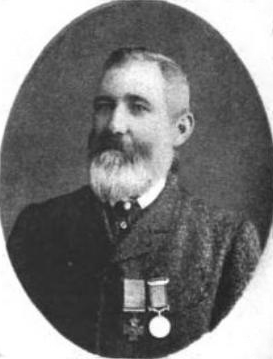
Captain of the After Guard, Royal Navy
Support & adopt this hero ↓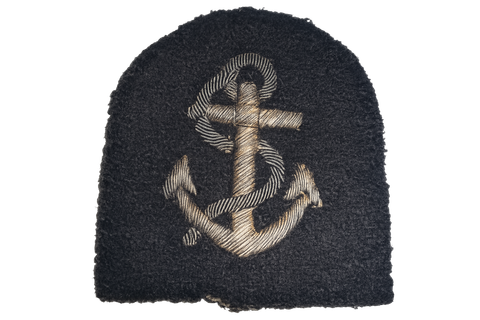
Thomas Pride VC: Royal Navy Hero of the Crimean War and Shimonoseki
Under a hail of enemy fire, a wounded Royal Navy sailor refused to let the Queen's Colour fall. Thomas Pride's extraordinary courage at Shimonoseki, Japan, earned him the Victoria Cross and secured his place among Britain's most remarkable naval gallantry recipients.
Born on 29 March 1835 in Wool, Dorset, Thomas Pride entered the Royal Navy on 7 February 1854. His early service included HMS Brisk, aboard which he participated in the Royal Navy's White Sea operations during the Crimean War. On 23 July 1854, HMS Brisk and HMS Miranda attacked and burned the Russian town of Novitska. Pride's subsequent service included HMS Chesapeake, which he joined on 14 June 1857. The Admiralty's London Gazette notice of 4 April 1862, Issue 22614, page 1788, listed HMS Chesapeake among the ships whose crews were entitled to the Second China War Medal of 1857–60. Pride later joined HMS Euryalus on 18 October 1861 and advanced through the naval ratings, becoming Captain of the Afterguard on 1 May 1864.
His defining moment came on 6 September 1864 during the Battle of Shimonoseki in Japan. As British naval forces and Royal Marines advanced against a Japanese stockade, Pride accompanied seventeen-year-old Midshipman Duncan Gordon Boyes in the leading colour party carrying the Queen's Colour into action. Under intense enemy fire, one colour-sergeant was mortally wounded while Pride himself was dangerously wounded. Despite his injuries, Pride and Boyes continued their advance, keeping the flag flying until their superior officer ordered them to halt. The London Gazette of 21 April 1865, Issue 22960, page 2130, recorded Boyes's gallantry and specifically identified Pride as the surviving colour-sergeant who supported him, noting that Pride was also recommended for the Victoria Cross. Pride received his Victoria Cross and was presented with it by Admiral Sir Michael Seymour at Southsea, Portsmouth, on 22 September 1865.
His wounds eventually brought his active naval career to an end. After being invalided to the hospital ship Melville at Hong Kong on 8 January 1865, Pride was discharged from the Royal Navy in January 1866. Returning to Dorset, he built a quieter civilian life, working as a turnpike gatekeeper at Creekmoor and later at Pottery Junction near Poole. Thomas Pride died at Parkstone on 16 July 1893, aged 58, and was buried at All Saints' Churchyard, Branksome, Dorset.
Thomas Pride's Victoria Cross remains a lasting testament to the courage of a Royal Navy sailor who stood firm under fire when the lives of those carrying the Queen's Colour were at greatest risk.
Become the named supporter for this profile and edit the tribute biography and portrait (Owner account required). Proceeds help keep the archive online.
$25 USD / year — annual sponsorship renewal. Keeps the page online and, where enabled, the family anniversary remembrance emails active.