★
Loading archive…
Loading archive…

Captain, British Army
Support & adopt this hero ↓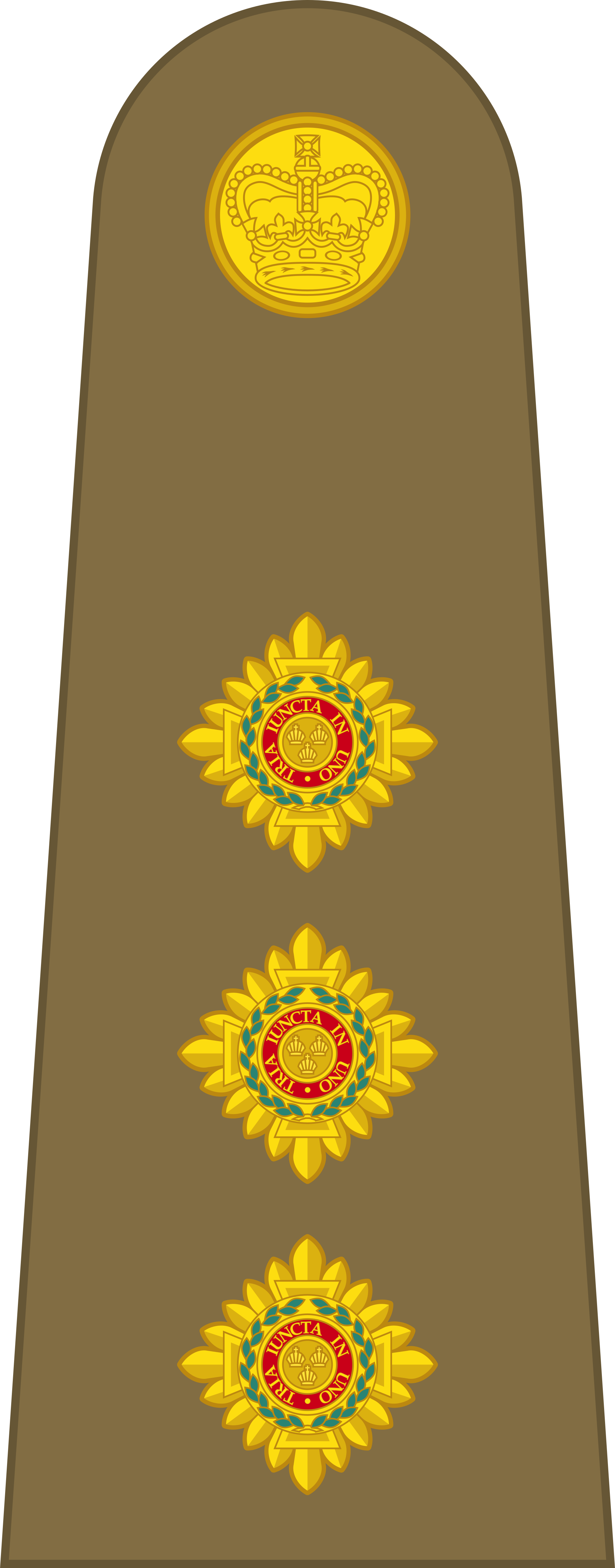
He stayed behind under shellfire to save his withdrawing men
Walter Napleton Stone VC was born in Blackheath, London, on 7 December 1891. He attended Harrow and Pembroke College, Cambridge, before leaving for Canada in 1912 to study land surveying. There he met Maud Mabel Jukes, and their son Reginald was born in 1914.
Returning to Britain after war broke out, Stone joined the Inns of Court Officer Training Corps and trained for a commission. He entered the 3rd Battalion, Royal Fusiliers, in May 1915 and joined the 17th Battalion in France in January 1916. He subsequently served as an acting captain.
On 30 November 1917, during the Battle of Cambrai, Stone commanded a company occupying an isolated position about 1,000 yards ahead of the main British line. He spotted German troops assembling and telephoned information to battalion headquarters.
Ordered to withdraw, Stone sent three platoons back as the attack gathered speed. He remained with the rearguard. Under heavy shellfire, he stood on the parapet with the telephone and continued reporting enemy movements until he ordered the line cut. The Germans surrounded the small force, and Stone was killed while continuing to resist.
His observations gave the defenders behind him time to prepare and helped avert a breakthrough. The Victoria Cross recognised both his courage and the value of the information he transmitted.
Stone was 25 when he died. He has no known grave and is commemorated on the Cambrai Memorial and at his family's plot in Greenwich Cemetery. His father received his posthumous VC in July 1918. His other medals were the British War Medal and Victory Medal.
Official Victoria Cross citation
For most conspicuous bravery when in command of a company in an isolated position 1,000 yards in front of the main line, and overlooking the enemy’s position. He observed the enemy massing for an attack, and afforded invaluable information to Battalion Headquarters. He was ordered to withdraw his company, leaving a rearguard to cover the withdrawal. The attack developing with unexpected speed, Capt. Stone sent three platoons back and remained with the rearguard himself. He stood on the parapet with the telephone under tremendous bombardment, observing the enemy, and continued to send back valuable information until the wire was cut by his orders. The rearguard was eventually surrounded and cut to pieces, and Capt. Stone was seen fighting to the last, till he fell shot through the head. The extraordinary coolness of this heroic officer and the accuracy of his information enabled dispositions to be made just in time to save the line and avert a disaster.
Supplement to The London Gazette of 12 February 1918. 13 February 1918, Numb. 30523, p. 2004
Become the named supporter for this profile and edit the tribute biography and portrait (Owner account required). Proceeds help keep the archive online.
$25 USD / year — annual sponsorship renewal. Keeps the page online and, where enabled, the family anniversary remembrance emails active.