★
Loading archive…
Loading archive…
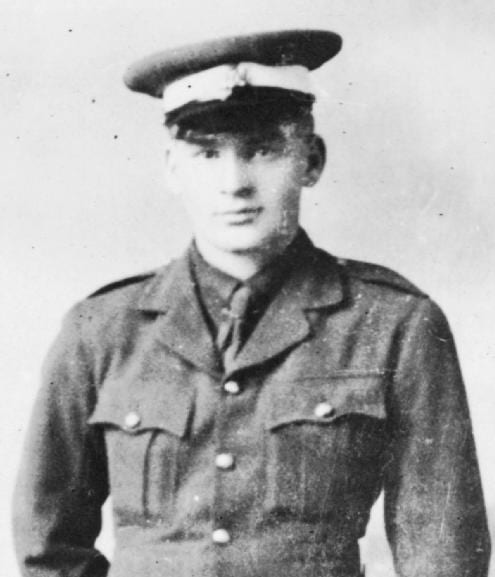
Lieutenant, British Indian Army
Support & adopt this hero ↓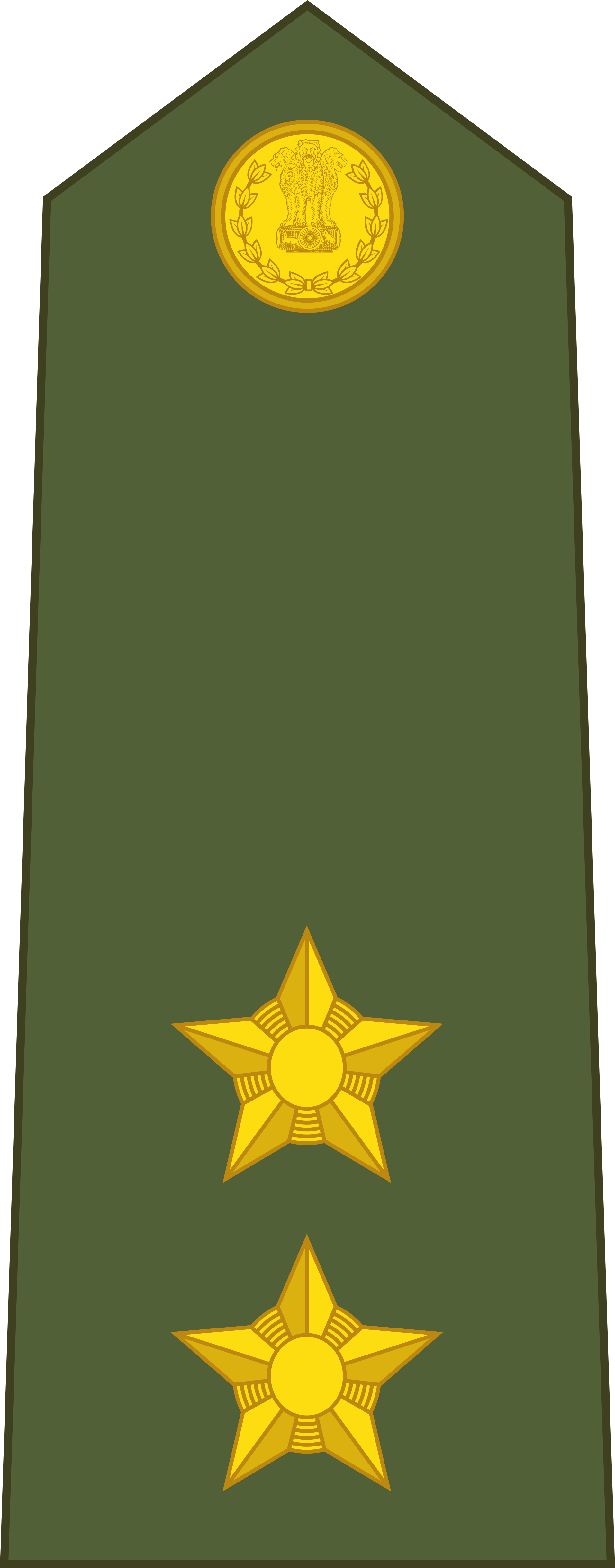
He turned back to fight so his wounded comrades could escape
William David Kenny was born at Saintfield, County Down, on 1 February 1899. He was the eldest child of John Joseph Kenny, a Royal Irish Constabulary constable, and Miriam Martha Newton. His mother was the daughter of a sea captain. His parents had married at Carrickfergus in 1896, and the family's subsequent addresses reflected his father's police service. His younger sister Georgina was born at Scarva and his brother Gerald at Banbridge.
Kenny entered the Indian Army during the closing months of the First World War. Commissioned on 31 August 1918, he served with the 4th Battalion, 39th Garhwal Rifles, and became a lieutenant in 1919. His overseas service continued after the armistice in Europe. He took part in operations on the North-West Frontier, where Indian Army units fought during the Third Afghan War and the subsequent Waziristan campaigns.
On 2 January 1920 his company occupied an advanced position near Kot Kai. Repeated attacks by a much larger Mahsud force threatened both its flank and the troops behind it. For four hours Kenny helped hold the position, directing fire and leading close fighting with bombs and bayonets. Three major attacks were beaten back. The pressure eventually forced the company to withdraw, a movement made particularly difficult by the need to carry wounded men.
The Victoria Cross citation published in the London Gazette on 9 September 1920 explains that Kenny turned back with a few men and counterattacked the pursuers. He continued fighting until his small party was overwhelmed. By drawing the attack onto himself and those with him, he gave the wounded time to escape. The citation's emphasis falls on both his prolonged defence and this final intervention, rather than on a single isolated charge (https://www.cwgc.org/stories/stories/lieutenant-william-david-kenny-vc/).
Kenny was killed at twenty years of age. He was buried at Jandola and is commemorated on the Delhi Memorial at India Gate. His father received the Victoria Cross at Buckingham Palace on 2 November 1920. The surviving medal group, later sold at Spink in May 1998, also includes the British War Medal and India General Service Medal with three frontier campaign clasps. Those medals place his brief military career across the transition from the world war to continued fighting on India's frontier.
Become the named supporter for this profile and edit the tribute biography and portrait (Owner account required). Proceeds help keep the archive online.
$25 USD / year — annual sponsorship renewal. Keeps the page online and, where enabled, the family anniversary remembrance emails active.