★
Loading archive…
Loading archive…
Corporal, U.S. Army
Support & adopt this hero ↓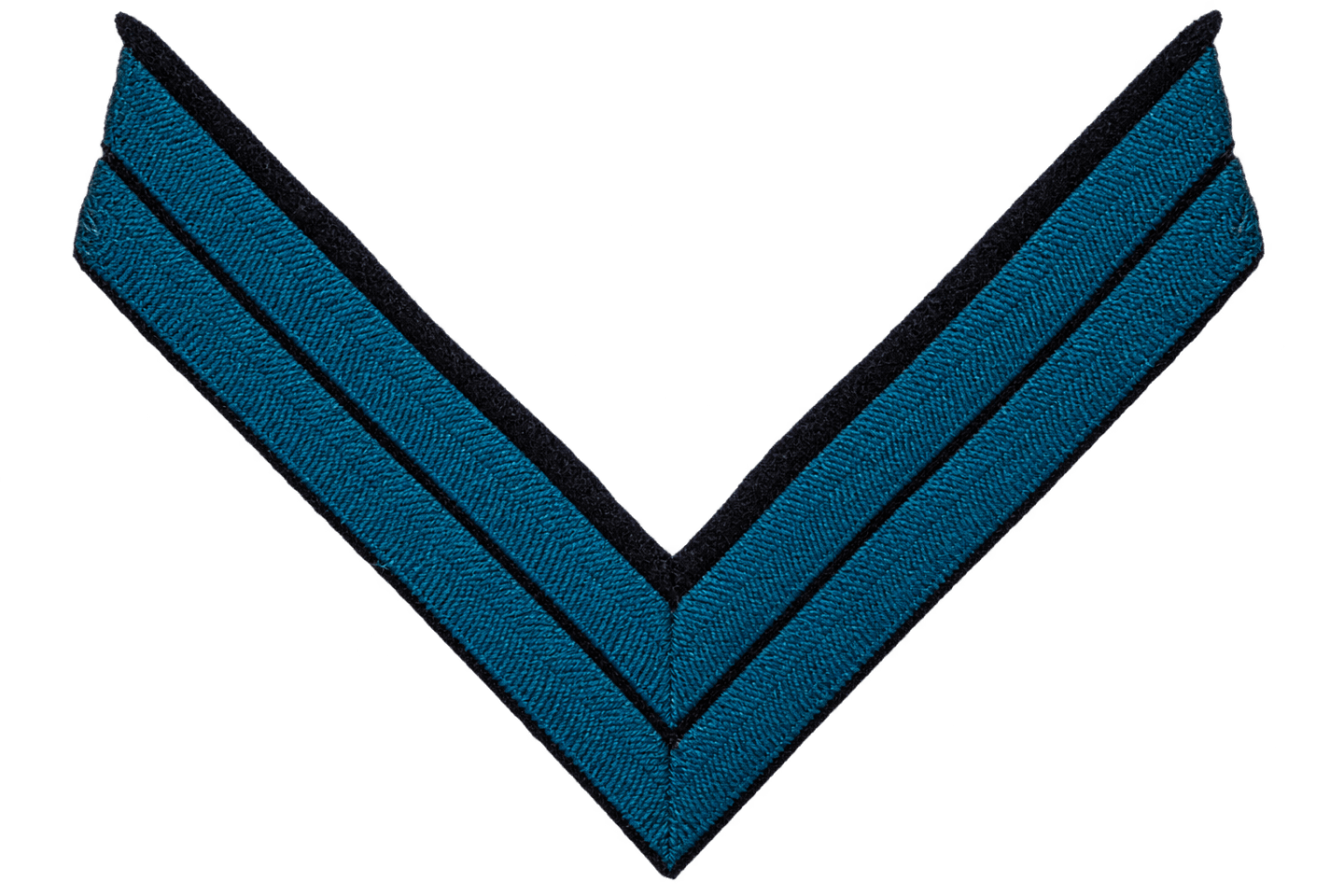
William John Brewer was born in 1843 in Putnam County, New York. The surviving authoritative record of his early civilian life is comparatively limited, but his military career places him among the Union cavalrymen who served during the final and decisive campaigns of the American Civil War. Brewer entered the United States Army and served with Company C, 2d New York Cavalry, a regiment widely known during the war as the Harris Light Cavalry. His military record is associated with New York, and his Medal of Honor record credits him to Newburgh in Orange County. The 2d New York Cavalry was organized during the first year of the Civil War and became an experienced mounted regiment. Cavalry soldiers performed duties that demanded mobility, endurance, and the ability to operate rapidly ahead of or alongside larger infantry formations. Their assignments could include reconnaissance, screening troop movements, raids, pursuit of retreating forces, protection of communications, and mounted attacks against enemy positions. The regiment served extensively in Virginia and Maryland and participated in numerous operations before entering the war's final campaign in 1865. Brewer served as a Private during the action that would make him a Medal of Honor recipient. Although his highest verified military rank was later Corporal, it is important to preserve the distinction between those two stages of his service. His Medal of Honor action occurred while he was still a Private in Company C, 2d New York Cavalry. For the database, therefore, Private is his Rank at Action, while Corporal is his Highest Verified Rank. By the spring of 1865, the Army of Northern Virginia had been under sustained pressure around Richmond and Petersburg for many months. Union operations at the end of March and beginning of April finally broke the Confederate defensive position. Following the Union victory at Five Forks and the breakthrough around Petersburg, General Robert E. Lee ordered the evacuation of Richmond and Petersburg on the night of April 2–3, 1865. Lee's remaining army began moving westward in an attempt to obtain supplies and eventually join Confederate forces farther south. Union forces immediately pursued. Major General Philip Sheridan's cavalry played a critical role in this pursuit, moving aggressively against Confederate columns, transportation routes, and escape paths. The 2d New York Cavalry was part of the mounted force participating in what became known as the Appomattox Campaign, the final campaign of Lee's Army of Northern Virginia. William John Brewer's defining action occurred on April 4, 1865, during this campaign in Virginia. The official Medal of Honor record is concise but historically significant: Brewer captured an engineer flag belonging to the Army of Northern Virginia. The capture took place while the retreating Confederate army was being pursued westward and Union cavalry was applying increasing pressure to its movement. A military flag was far more than a decorative object during the Civil War. Colors and specialized flags could identify commands, provide visual reference points, and symbolize the organization they represented. Capturing an enemy flag in combat traditionally required a soldier to close directly with opposing forces, and such captures were treated as notable battlefield achievements. In Brewer's case, the official record specifically identifies the captured object as an engineer flag of the Army of Northern Virginia. The timing of Brewer's action made it particularly notable. April 4 was only one day after the beginning of the concentrated pursuit that followed the evacuation of Petersburg and only five days before Lee surrendered at Appomattox Court House. Confederate forces were attempting to move toward Amelia Court House, where Lee expected supplies to be available. The absence of adequate rations and the delay around Amelia gave pursuing Union forces additional time to close the distance. Brewer and the 2d New York Cavalry were therefore operating in a rapidly changing campaign in which mounted troops were essential. Cavalry could move more quickly than infantry, locate enemy columns, interfere with their routes, seize prisoners and material, and prevent the retreating army from gaining the time it needed to escape. Brewer's capture of the engineer flag occurred within this broader environment of continual pursuit and pressure. The operations continued after April 4. The 2d New York Cavalry remained active through the Appomattox Campaign, and other members of the regiment performed actions that also resulted in Medal of Honor recognition. The regiment's cavalrymen participated in the relentless pursuit that culminated in the destruction or capture of significant portions of Confederate formations around Sailor's Creek and ultimately helped close the routes available to Lee's army. Five days after Brewer's Medal of Honor action, General Robert E. Lee surrendered the Army of Northern Virginia to Lieutenant General Ulysses S. Grant at Appomattox Court House on April 9, 1865. Brewer's flag capture therefore belongs to the final week of one of the most consequential military campaigns in American history. Recognition for Brewer's action came with unusual speed compared with many Civil War Medal of Honor recipients. He performed the action on April 4, 1865, and the Medal of Honor was presented to him on May 3, 1865, less than a month later. He was alive to receive the decoration, so the award was not posthumous. The Medal of Honor had been established during the Civil War as the United States government's highest military decoration for extraordinary conduct. During that era, many awards were associated with actions such as capturing enemy colors, preserving one's own colors, rescuing wounded soldiers, maintaining positions under severe fire, or performing exceptional acts during assaults. Brewer's recognized accomplishment falls into the important Civil War category of captured enemy flags. Because Brewer's Medal of Honor was presented on May 3, 1865, the correct historical database designation is Medal of Honor 1862–1895 Army — 1865. The year attached to the database entry reflects the year in which his decoration was issued, while the qualifying action took place on April 4, 1865. No clasp, star, bar, oak leaf cluster, or other device has been verified for his Medal of Honor. His final verified entry therefore remains a single Medal of Honor without an additional device. The Civil War Campaign Medal has not been included in Brewer's verified ribbon rack. Although his Civil War service is clearly established, service in the conflict alone does not constitute recipient-specific proof that the later-created campaign medal was actually issued to him. Brewer died decades before the Army Civil War Campaign Medal was established, and no individual medal issue record, named medal, medal roll entry, or equivalent recipient-specific evidence has been established for him. Under the project's zero-assumption standard, the Civil War Campaign Medal therefore remains HOLD / NOT VERIFIED and is excluded from his final rack. Brewer's verified combat classification is cavalry. Company C belonged to the 2d New York Cavalry, and his Medal of Honor action occurred during mounted cavalry operations in the Appomattox Campaign. For the database, the appropriate Combat Achievement Modifier is therefore Armor / Cavalry rather than Infantry. The 2d New York Cavalry remained in service until after the principal Confederate surrender. The regiment was eventually mustered out in June 1865, after completing a lengthy record of service that had taken it through extensive campaigning in Virginia and Maryland. Brewer emerged from the war not only as a veteran cavalryman but also as one of the regiment's Medal of Honor recipients. At some point in his military career he attained the rank of Corporal, which stands as his highest verified rank. Brewer's postwar life was considerably shorter than that of many other Civil War veterans. He returned to New York and lived for only thirteen years after the end of the war. William John Brewer died on June 19, 1878, in Cornwall, New York. He was approximately thirty-five years old. He was buried at Quaker Cemetery in Cornwall-on-Hudson, New York. William John Brewer's final verified military profile therefore records him as a United States Army cavalryman who served with Company C, 2d New York Cavalry. He was a Private when he performed his Medal of Honor action and later attained the rank of Corporal, his highest verified rank. His defining act occurred during the Appomattox Campaign on April 4, 1865, when he captured an engineer flag of the Army of Northern Virginia during the Union pursuit of Lee's retreating forces. For that action, Brewer received the Medal of Honor on May 3, 1865. His final verified decoration is Medal of Honor 1862–1895 Army — 1865, with no verified device or clasp. His story is closely tied to the final days of the Civil War, when the Union cavalry's relentless pursuit helped bring the Army of Northern Virginia to surrender. Brewer's capture of the engineer flag preserved his place within that campaign and within the history of the 2d New York Cavalry as a soldier whose individual battlefield achievement was formally recognized with the nation's highest military decoration.
Become the named supporter for this profile and edit the tribute biography and portrait (Owner account required). Proceeds help keep the archive online.
$25 USD / year — annual sponsorship renewal. Keeps the page online and, where enabled, the family anniversary remembrance emails active.