★
Loading archive…
Loading archive…
Captain, Indian Army
Support & adopt this hero ↓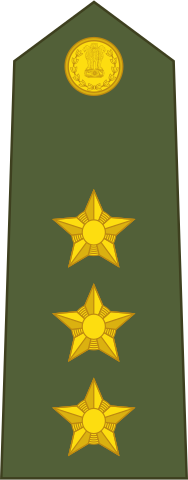
He held the magazine until its defenders fired their powder.
William Raynor was born at Plumtree, Nottinghamshire, in July 1795. He entered the East India Company’s service in 1812 and reached India the following year. His career developed through the ordnance establishment rather than through the more familiar route of a young commissioned officer commanding infantry.
Appointed a sub-conductor in 1820, he became a conductor in 1823 and spent more than twenty years at Cawnpore. He married Mary Anne Werril there and raised a family. Further promotion brought him to the Delhi magazine in 1843. In 1852 he obtained commissioned rank as a lieutenant on the Veteran Establishment, an exceptional advance for a man who had begun in the ranks.
Raynor remained at Delhi when the uprising of 1857 reached the city. On 11 May, he was one of the small British group defending the magazine under Lieutenant George Willoughby. They closed the entrances, prepared the guns and arranged to destroy the ammunition if the position could no longer be held. As the attackers entered and relief failed to arrive, the defenders ignited the prepared powder train.
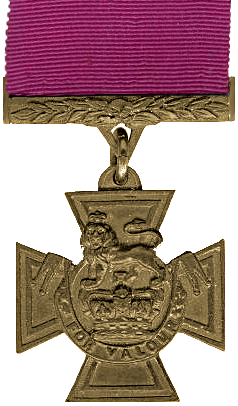
The explosion destroyed the magazine. Raynor survived and eventually reached Meerut. His Victoria Cross citation is brief: “For gallant conduct in the defence of the Magazine at Delhi, on the 11th May, 1857” (The London Gazette, 18 June 1858, page 2959, https://www.thegazette.co.uk/London/issue/22154/page/2959). The award was shared with fellow survivors George Forrest and John Buckley. It recognized the defence and destruction of the magazine, rather than assigning Raynor sole command of the operation.
He was sixty-one at the time of the action and is remembered as the oldest recipient of the Victoria Cross. The award came after more than four decades in India, making the defence of the magazine the culmination of a long ordnance career rather than an isolated episode in a short enlistment.
Raynor subsequently held the rank of captain. He died at Ferozepore on 13 December 1860 and was buried there the following day. His Victoria Cross remained with his descendants for many years before passing through sale and eventual return to a British military museum. Plumtree later commemorated him in his home parish, preserving the connection between the Nottinghamshire village of his birth and the much longer life he spent in India.
Become the named supporter for this profile and edit the tribute biography and portrait (Owner account required). Proceeds help keep the archive online.
$25 USD / year — annual sponsorship renewal. Keeps the page online and, where enabled, the family anniversary remembrance emails active.