★
Loading archive…
Loading archive…
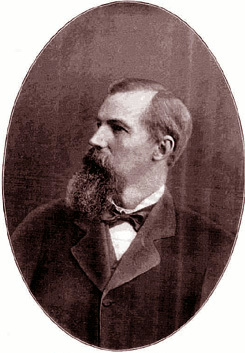
Captain, U.S. Army
Support & adopt this hero ↓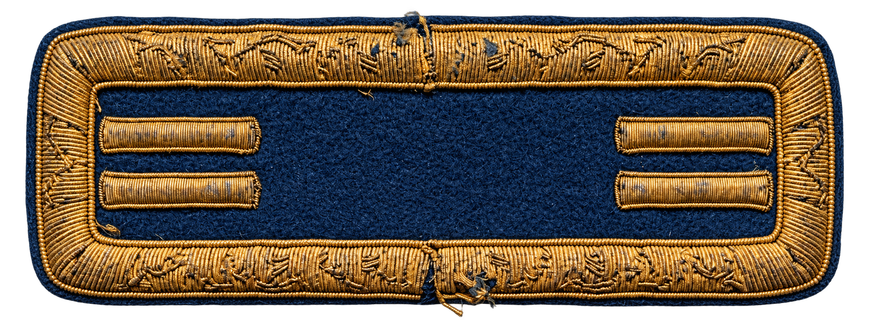
What does it take to charge beyond enemy lines, capture a Confederate battle flag, and survive one of the most devastating assaults of the American Civil War? For Captain Albert D. Wright, the answer was extraordinary courage, unwavering determination, and a willingness to risk everything for his fellow soldiers. His remarkable bravery at the Battle of the Crater on July 30, 1864, earned him the United States Medal of Honor and secured his place among America's most distinguished military heroes.
Born on December 10, 1842, in Elkland, Pennsylvania, Albert D. Wright answered his country's call during the American Civil War. He enlisted in the 149th Pennsylvania Volunteer Infantry on August 8, 1862, beginning his military career as a private. Through courage and dedication, he rose to the rank of sergeant and experienced some of the war's fiercest fighting, including the battles of Chancellorsville and Gettysburg.
In April 1864, Wright received a captain's commission in the 43rd United States Colored Troops, taking command of Company G. His leadership would soon be tested in one of the Civil War's most desperate and bloody engagements.
On July 30, 1864, Union forces launched a massive assault against Confederate defenses at Petersburg, Virginia, in what became known as the Battle of the Crater. Amid the smoke, confusion, and intense enemy fire, Wright demonstrated exceptional battlefield courage. Advancing beyond Confederate lines with a small group of soldiers, he confronted an enemy color guard, forced its surrender, and captured its battle flag.
The daring action came at a terrible personal cost. Wright suffered a severe wound to his right arm, yet survived the encounter and successfully brought the captured Confederate colors back to Union lines. His extraordinary bravery under fire would eventually earn him America's highest military decoration.
But Wright's story of courage did not end at Petersburg.
Despite his painful injury, he returned to active combat leadership. In October 1864, with his wounded arm still supported by a sling, he commanded his company during fighting at Hatcher's Run. Following the Union capture of Richmond in 1865, he served as commander of the provost guards at Manchester, Virginia, continuing his commitment to military duty until his discharge in October 1865.
On May 1, 1893, nearly 29 years after his heroic actions at Petersburg, Captain Albert D. Wright was awarded the Medal of Honor for his extraordinary gallantry during the Battle of the Crater. The long-awaited recognition honored a soldier whose fearless initiative and devotion to duty had distinguished him in one of America's defining conflicts.
Albert D. Wright died on February 15, 1926, in Tampa, Florida, and was laid to rest at Greenwood Cemetery in Eustis, Florida.
Today, Captain Albert D. Wright is remembered not merely as a Civil War Medal of Honor recipient, but as a courageous Union Army officer who led soldiers into danger, persevered through severe wounds, and continued serving when others might have withdrawn. His legacy stands as a powerful reminder that true military heroism is measured not only by victories on the battlefield, but by the courage to act when the odds seem impossible.
Become the named supporter for this profile and edit the tribute biography and portrait (Owner account required). Proceeds help keep the archive online.
$25 USD / year — annual sponsorship renewal. Keeps the page online and, where enabled, the family anniversary remembrance emails active.